


Infant Formula












Infant Formula, What It Is and How It Works
Infant formula is a specially designed nutritional product that provides complete nutrition for babies during the first twelve months of life when breast milk is not available or not sufficient. It is made to meet strict compositional standards so that infants who cannot be breastfed receive all the nutrients they need to grow and develop well.
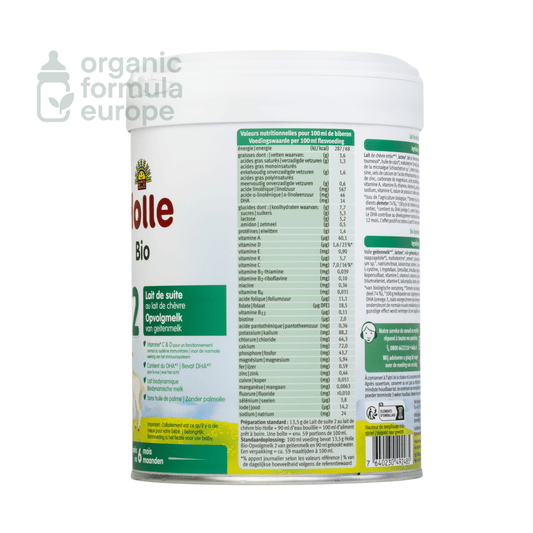
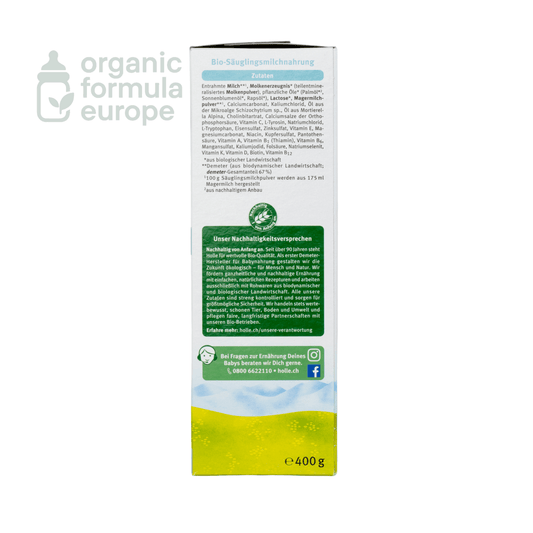
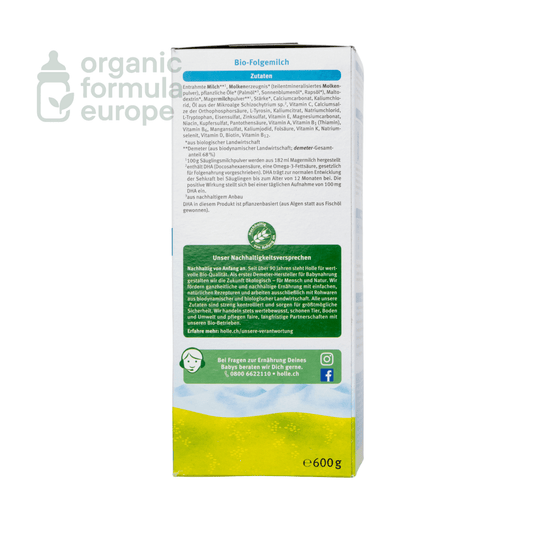
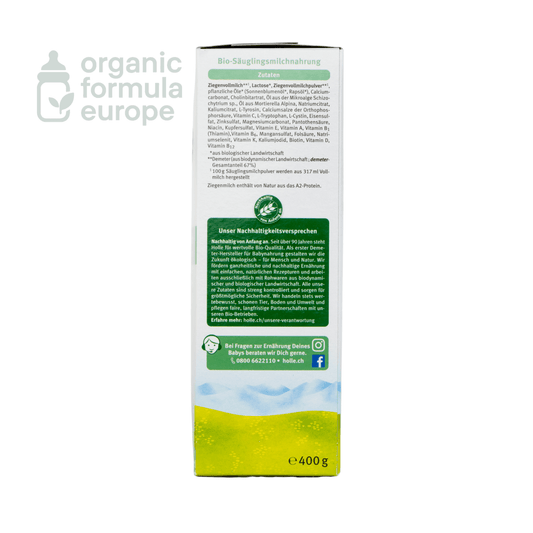
European infant formula from brands like HiPP, Holle, and Kendamil is produced under some of the most rigorous organic regulations in the world. EU organic certification prohibits GMOs, synthetic pesticides, and many chemical additives, giving parents a cleaner starting point than many conventional alternatives.
Infant Formula Types for the First Year
The most common type is standard cow milk infant formula, which suits most healthy, full-term babies. Within the cow milk category you will find whey-dominant formulas (closer to breast milk in protein structure) and casein-dominant formulas (often marketed as more filling). Most Stage 1 European infant formulas are whey-dominant.
Goat milk infant formula is another option. The protein molecules in goat milk form a slightly softer curd in the stomach, which some parents find easier on their baby's digestion. Sensitive and comfort infant formulas have partially hydrolyzed proteins designed for babies with mild digestive discomfort. Always speak with your pediatrician before choosing a specialist formula based on symptoms.
Lactose Free Infant Formula
True lactose intolerance in infants is rare, but temporary lactose sensitivity can follow a stomach illness or gut upset. Lactose-free infant formula replaces lactose with other carbohydrates. Because lactose naturally supports calcium absorption and is a normal component of breast milk, lactose-free formulas are generally intended as a short-term solution under medical guidance rather than a default choice.
Hypoallergenic Infant Formula
Hypoallergenic (HA) infant formulas use partially hydrolyzed proteins for babies at increased allergy risk. They are not suitable for babies with a confirmed cow's milk protein allergy. For a confirmed allergy, a specialized extensively hydrolyzed or amino acid based formula is needed, prescribed and supervised by a doctor.
Best Organic Infant Formula Brands
Among European organic infant formula options, three brands stand out for US parents.
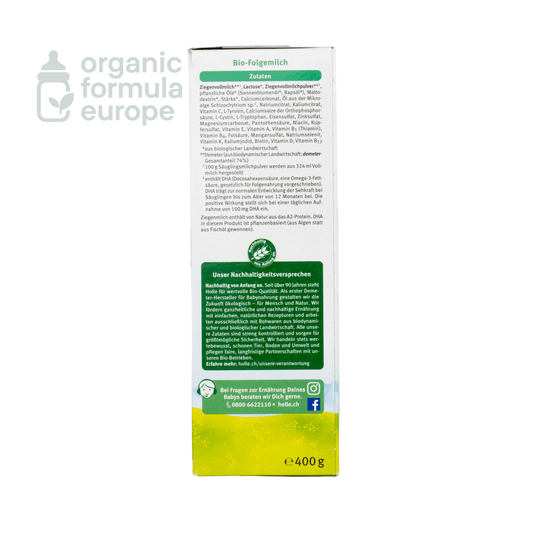
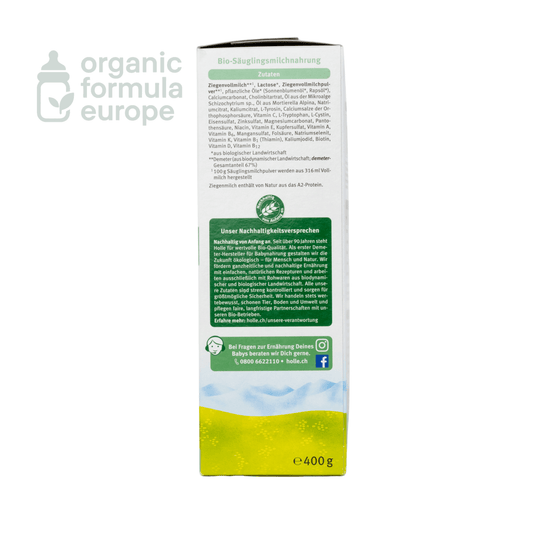
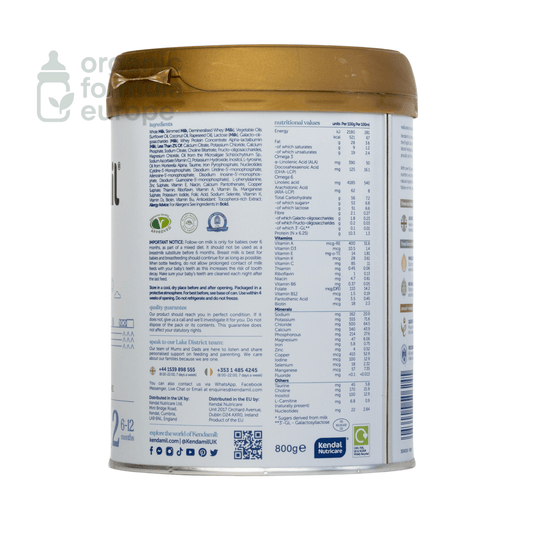
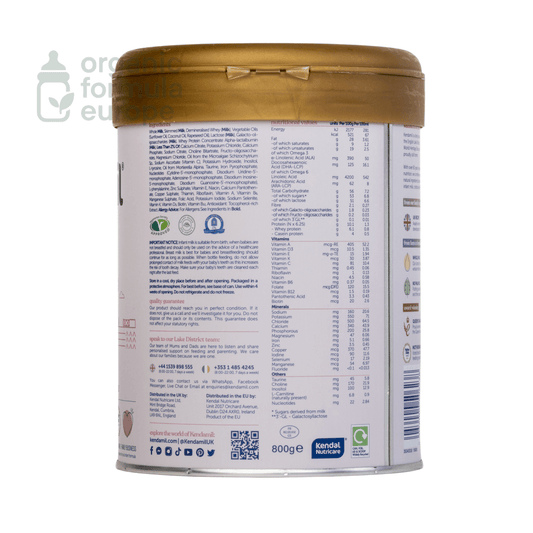
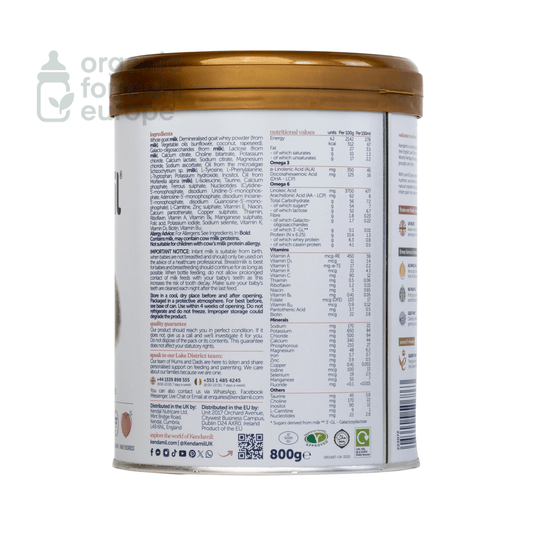
HiPP has produced baby food since 1899 and is now in its fourth generation of family ownership. The HiPP Organic Combiotic range includes both prebiotics and probiotics, making it one of the most breast-milk-inspired choices available. Holle is family-owned and holds Demeter biodynamic certification on many products, reflecting a commitment to soil health and animal welfare that goes beyond standard organic. Kendamil is made in the UK using whole milk and no palm oil, distinguishing it from most other infant formulas on the market.
European Infant Formula vs US Infant Formula
One of the most common questions we hear is whether European formula is simply a marketing story or a genuine difference. The difference is real and measurable. EU organic regulations are often perceived stricter than US standards in several important ways. GMOs are banned outright in EU organic products. Synthetic pesticides cannot be used on the organic dairy farms supplying the milk. Certain additives still found in US conventional and even some organic formulas are not permitted under EU rules.
The result is that HiPP, Holle, and Kendamil tend to have shorter ingredient lists with fewer synthetically derived additives. For parents who prioritize clean ingredients during the critical first year of life, that difference is meaningful.
Easy to Digest Infant Formula Options
If your infant seems gassy, fussy, or uncomfortable after feeds, an easy-to-digest infant formula may help. HiPP Combiotic Pre and Stage 1 are popular for their added probiotics, which support a healthy gut microbiome. Holle and Kendamil both use high-quality organic dairy that many parents report sits well with sensitive babies.
Switching formula is worth trying, but give any new formula at least a week to ten days before deciding it is or is not working. Digestive adjustment takes time. If symptoms persist or worsen, contact your pediatrician rather than continuing to switch products on your own.
Infant Formula vs Toddler Formula
Infant formula is formulated to be nutritionally complete for babies from birth through twelve months. Toddler formula (Stage 3 and Stage 4) is not a replacement for infant formula and is not recommended as the sole nutrition source for children under twelve months. Toddler formulas are designed as supplements to a varied diet of solids and whole milk for children over one year.
If your baby is approaching twelve months and you are wondering about the transition, your pediatrician is the right person to guide you. Many toddlers move directly from infant formula to whole cow's milk and solid foods without needing a dedicated toddler formula at all.
Frequently Asked Questions
What is the best infant formula for newborns
For newborns, a Stage 1 or Pre infant formula is appropriate. HiPP Organic Combiotic Pre, Holle Stage 1, and Kendamil Organic Stage 1 are all popular options for US families. Each meets strict EU organic standards and is designed for infants from birth. Your pediatrician can help you choose based on your baby's individual health needs.
Is European infant formula safe to use in the United States
Yes. European infant formula meets rigorous EU regulatory standards and is used safely by many thousands of US families. While it is not FDA-registered, it complies with EU rules that are widely considered among the strictest in the world. If you have specific health concerns about your infant, your pediatrician is the best source of guidance.
What is the difference between infant formula and toddler formula
Infant formula is a complete nutritional product designed for babies from birth to twelve months. Toddler formula (Stage 3 or Stage 4) is a supplement for children over twelve months who eat a varied diet of solids. Toddler formula should not replace infant formula for babies under one year.
How do I know which infant formula stage to use
Stage 1 or Pre is for newborns and infants up to six months. Stage 2 is introduced around six months as solids begin. Stage 3 covers ten to twelve months. You do not have to switch stages at all. Many parents keep their baby on Stage 1 for the entire first year, which is nutritionally appropriate.
Is lactose free infant formula better for gassy babies
Not necessarily. Gas and fussiness have many causes, and true lactose intolerance in infants is uncommon. Before switching to a lactose-free infant formula, speak with your pediatrician to identify the actual cause of your baby's discomfort. Switching without guidance can make the situation harder to evaluate.
What makes organic infant formula different from regular infant formula
Organic infant formula uses milk from cows raised without synthetic pesticides, GMO feed, or routine antibiotics. EU organic certification goes further than US standards by banning GMOs outright and restricting a wider range of additives. The result is a formula with a cleaner ingredient list and a more transparent supply chain.
Can I mix different brands of infant formula
Mixing brands within the same stage category is generally considered safe, but there is no medical reason to do so under normal circumstances. If you are transitioning between brands, it is simpler to switch completely rather than mixing, and to give your baby a few days to adjust. If you have any concerns, check with your pediatrician.
European Baby Formula Brands
-

HiPP Formula
HiPP Formula, Organic European Infant Nutrition from Birth to Toddler For more...
-

Holle Formula
Confused About Holle Formula? Start Here There’s no shortage of options when...
-

Kendamil Formula
Kendamil Formula, British Whole Milk Infant Nutrition Choosing the right formula is...


