


Holle Formula Ingredients

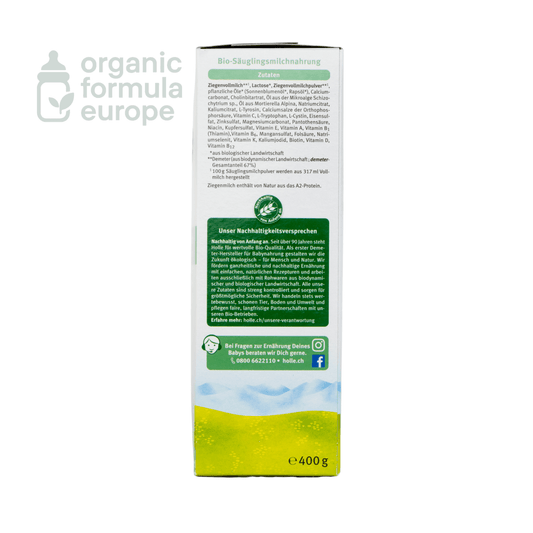

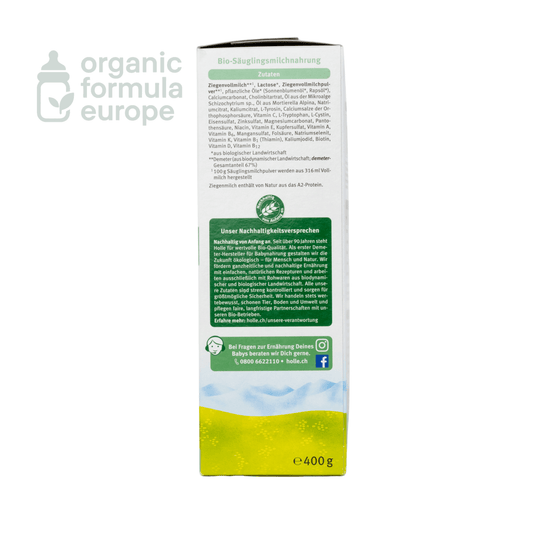

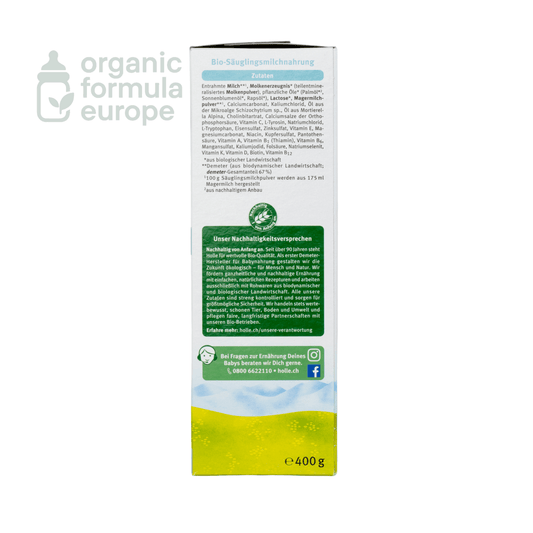









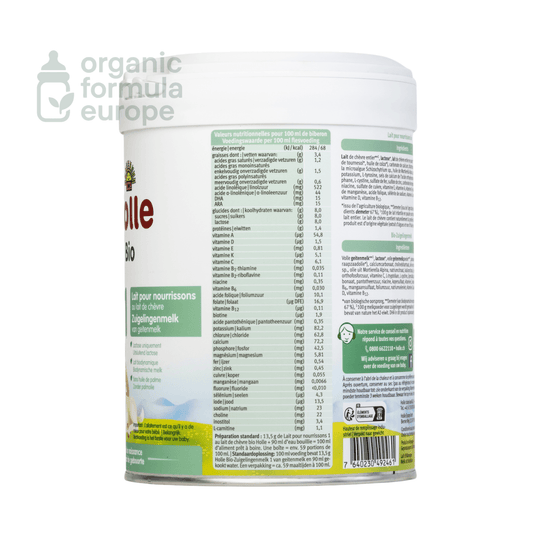
Holle Formula Ingredients: What's in Every Tin
For parents who have decided to feed their baby formula, understanding exactly what goes into every scoop of Holle formula powder is a priority. Holle, a Swiss organic baby food manufacturer, has been producing organic infant nutrition in Europe for decades, earning the trust of generations of parents. Whether you are exploring Holle goat milk formula or the classic cow milk formula line, this guide walks through Holle formula ingredients, what they actually mean, where they come from, and why each one plays a role in your baby's early nutrition.

Holle Formula Ingredients Start with Biodynamic Certification
Before reviewing individual ingredients, it helps to understand the framework that determines what can and cannot appear in a Holle formula. Holle operates under strict European organic certification standards. Many of its products additionally carry the Demeter biodynamic certification, one of the most stringent agricultural standards in the world. Biodynamic farming goes beyond organic certification by treating the farm as a self-sustaining ecosystem, with particular attention to soil health, animal welfare, and seasonal farming rhythms.
This means the milk used as the foundation of Holle formulas comes from farms where cows and goats graze on land that has not been treated with synthetic pesticides, herbicides, or chemical fertilizers. The animals are not given routine antibiotics or growth hormones. All of this shapes the quality of the raw milk long before it reaches the production facility. For parents who want to feed their baby organic infant formula that starts clean from the very source, Holle's farming philosophy is an important part of the full ingredient story.
Holle Cow Milk Formula: Protein, Carbohydrates, and Fats
Holle's cow milk formulas use biodynamic skimmed milk and organic whey as their protein base. These two dairy components make up the protein content of the formula. The whey used in the early stages is partially demineralized, meaning it has been carefully processed to bring the mineral content closer to what is optimal for infant digestion.
Carbohydrates and Fats in Holle Cow Formula
Lactose is the primary carbohydrate across Holle's cow milk infant stages, mirroring the carbohydrate naturally found in breast milk. For Pre and Stage 1, lactose is the sole carbohydrate source, keeping the recipe as simple as possible for the youngest babies. The fat blend is derived from organic vegetable oils, including sunflower oil, rapeseed oil, and sustainably sourced palm oil. These oils provide a balanced fatty acid profile. DHA, required by European law in all infant formulas from birth, is derived from the microalgae Schizochytrium sp., offering a plant-based route to this important nutrient. ARA is provided through oil from Mortierella alpina, a naturally occurring fungal source widely used in infant nutrition across Europe.
Vitamins and Minerals in Holle Organic Formula
Holle cow milk formula contains a comprehensive vitamin and mineral panel included to meet European nutritional standards for infant nutrition. These include:
- Fat-soluble vitamins: A, D, E, and K
- B-vitamin spectrum: B1, B2, B6, B12, biotin, folic acid, niacin, and pantothenic acid
- Minerals: calcium, iron, zinc, magnesium, copper, manganese, iodine, and selenium
- Choline bitartrate, which plays a general role in infant nutrition and is a standard component across premium European formula brands
Holle Goat Milk Formula Ingredients Meet EU Requirements
The Holle goat milk formula range uses whole goat milk or full-cream goat milk powder as its primary ingredient, depending on the specific product and stage. Goat milk has a naturally distinct protein structure compared to cow milk. It often forms a softer, looser curd in the stomach, which the body can break down more quickly. It also contains smaller fat globules and a slightly different protein structure, making it gentler on the digestive system for many babies. Parents who are considering using this line for their infant should speak with their pediatrician about their baby's individual needs.
Holle's goat milk formula also contains organic lactose as the primary carbohydrate, keeping the ingredient list clean and straightforward. The fat blend is built on organic sunflower and rapeseed oils. The goat milk range is palm-oil-free which is a meaningful distinction for parents who prefer to avoid it.
Specific Nutritional Additions in Holle Goat Milk Formulas
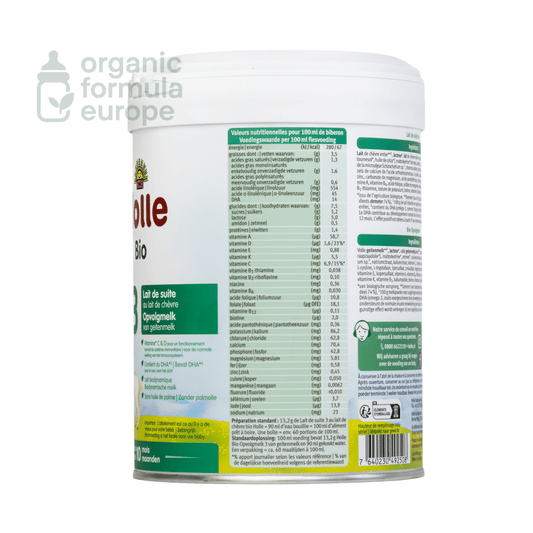
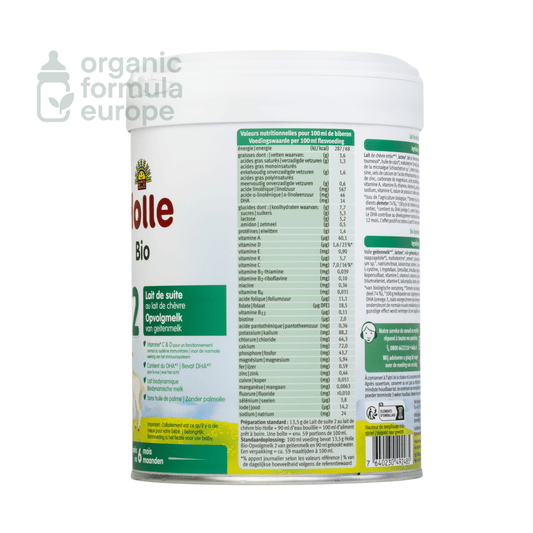
DHA in the goat milk range is sourced from the microalgae Schizochytrium sp., the same algae-based source used in the cow milk line. ARA comes from Mortierella alpina oil, consistent with the cow milk range. L-carnitine, an amino acid that naturally occurs in breast milk, is included in some goat milk stages as part of the nutritional framework required for infant formula. The amino acids L-cystine, L-tryptophan, and L-tyrosine appear in the ingredient list to complement the naturally occurring amino acid profile of goat milk protein, helping ensure the formula meets the complete amino acid requirements outlined in European infant nutrition standards. The vitamin and mineral panel covers all nutrients regulated under EU infant formula guidelines, including vitamin D3, vitamin K, iodine, selenium, iron, and a full range of B vitamins.
Holle Formula Ingredients Change from Pre Stage Through Stage 4
Holle organic formula recipes evolve to align with the ever-changing nutritional needs of a growing baby. The ratio of ingredients shifts as stages progress from birth through 24 months and beyond. In the earliest stage, Holle Pre, the recipe is closest in carbohydrate composition to breast milk, with lactose as the sole carbohydrate source and a whey-to-casein ratio tilted toward whey for gentler digestibility. Holle Formula Stage 1 maintains a similar structure and is suitable from birth, offering a full nutrient profile aligned with European regulations for first-stage infant formula.
From Stage 2 onward, the balance between whey and casein begins to shift. Casein content increases to support a growing appetite and to offer a slightly more filling formula as the feeding schedule evolves. Some later stages may also incorporate additional carbohydrates such as starch or maltodextrin to support the energy needs of an older, more active baby. By Stage 3 and Stage 4, the formula is considered a follow-on or growing-up milk, and the nutritional composition reflects that transition. Parents considering Holle Toddler Formula will notice a profile designed to complement a diet that increasingly includes solid foods.
What Holle Formula Does Not Contain
Just as important as what goes into Holle formula is what stays out. The formulas are free from artificial preservatives, artificial colors, and artificial flavoring agents. No synthetic growth hormones are used in the farming of the source animals, and no GMO-derived ingredients are used in any part of the formula. Unlike many conventional brands, Holle does not use corn syrup, glucose syrup solids, or added sugars beyond the lactose that occurs naturally in the dairy base or is added as a certified organic ingredient.
For parents exploring organic baby formulas from Europe for the first time, understanding what Holle excludes is often as reassuring as reviewing what it includes.
Reading Holle Ingredient Lists in English
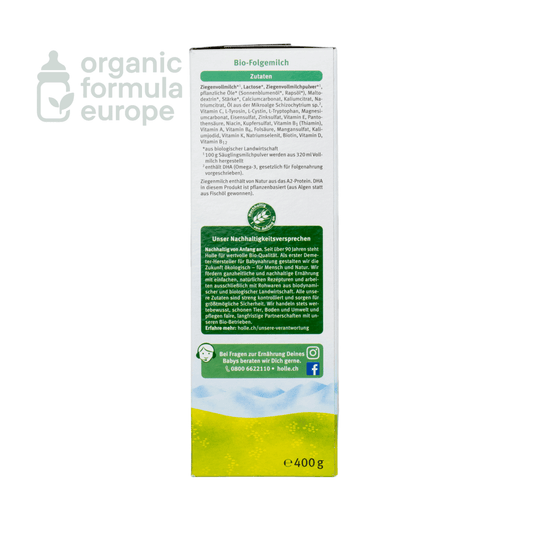
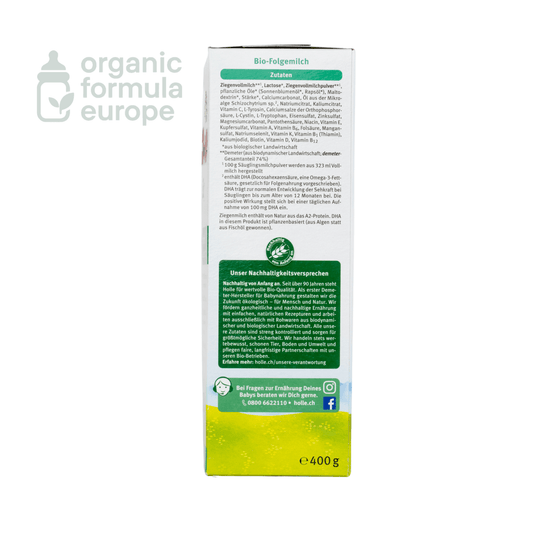
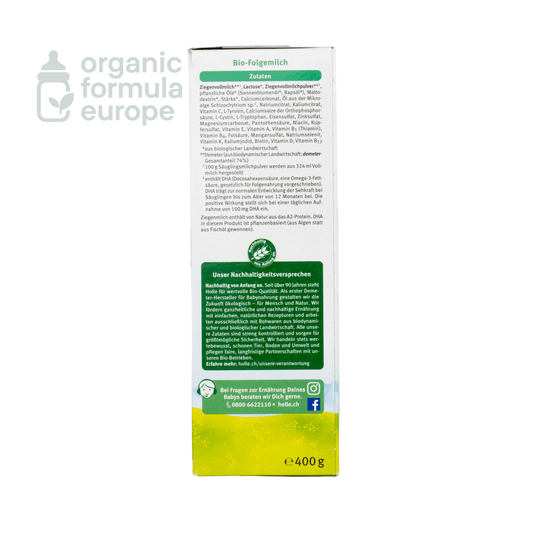
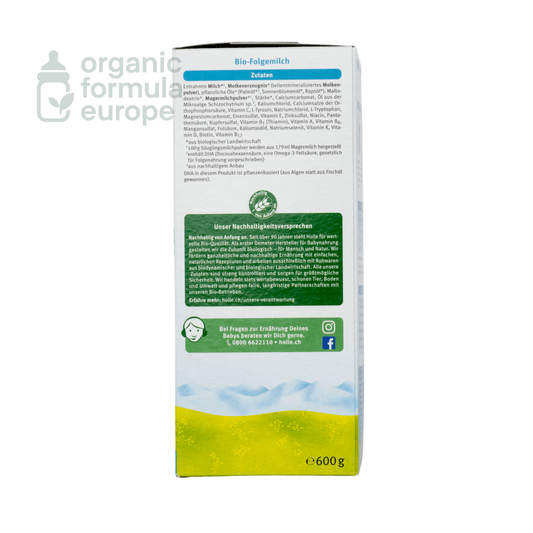
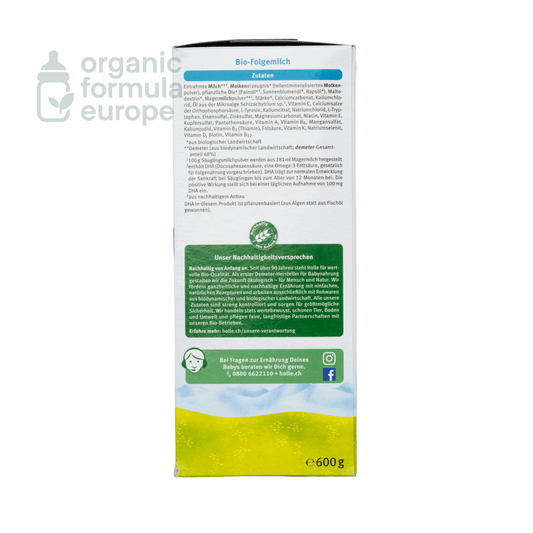
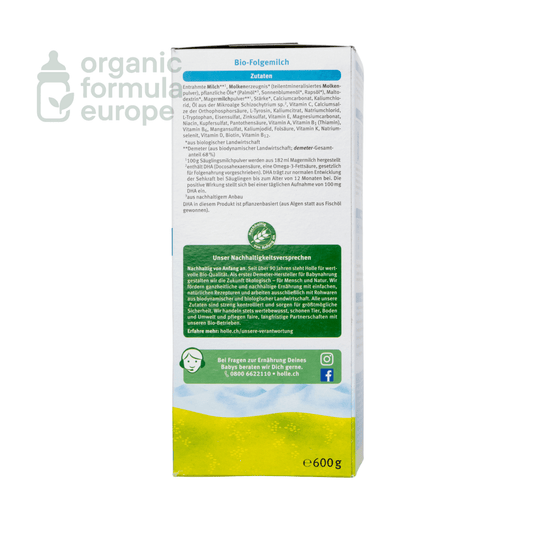
Holle formulas are produced primarily in Germany, and original labeling may appear in German or Dutch depending on the product version. For English-speaking parents in North America, this can be confusing when trying to make an informed comparison between products. Ingredients are always listed in descending order by weight, meaning the first ingredient is the most abundant. In both organic cow milk and organic goat milk versions, the dairy milk leads the list, confirming milk as the dominant component.
Vegetable oils and lactose typically follow, with vitamins, minerals, and other nutrients appearing further down the list. The presence of asterisks next to many ingredients indicates organic sourcing, while a double asterisk often signals Demeter biodynamic certification, offering an additional layer of transparency. If you are ever uncertain about a specific ingredient or whether a particular product is right for your baby's stage, speaking with your pediatrician is always the most reliable step.
Frequently Asked Questions
What is the main protein source in Holle formula?
In Holle organic cow milk formula, the protein base is a combination of biodynamic skimmed milk and partially demineralized whey powder. In the goat milk range, whole goat milk or full-cream goat milk powder serves as the primary protein source. Both dairy bases are sourced from organically or biodynamically certified farms across Europe.
Does Holle formula contain DHA?
Yes, all Holle infant formulas include DHA, as required by European law for any first-stage infant formula. In the formulas, DHA is derived from the oil of the microalgae Schizochytrium sp. It is plant-derived and widely used in certified organic European infant formulas.
Is Holle formula free from artificial additives?
Yes. Holle formulas contain no artificial preservatives, artificial colors, or artificial flavorings. They are also free from GMO ingredients, synthetic hormones, and added sugars beyond the organic lactose present in the dairy base or added as a separate certified ingredient.
What is the difference between Holle cow milk and goat milk formula ingredients?
The most notable differences are in the dairy protein source and the fat blend. Cow milk formula uses biodynamic skimmed milk and demineralized whey, while goat milk formula is built on whole or full-cream goat milk. The goat milk line is palm-oil-free, while the cow milk line includes sustainably sourced palm oil. The vitamin and mineral panels are comparable across both lines.
Why do Holle formula ingredients change between stages?
Each stage is formulated to match the distinct nutritional needs of babies at that age and developmental phase. Pre and Stage 1 feature a higher whey-to-casein ratio for easier digestibility, while Stage 2, Stage 3, and Stage 4 contain more casein and sometimes additional carbohydrate sources to support a growing baby's energy needs. Follow the packaging guidelines and consult your pediatrician when transitioning between stages.
Are Holle formula ingredients listed in English on the packaging?
Holle formulas are often produced in Germany, and packaging may be in German or Dutch depending on the product version. Retailers including Organic Formula Europe provide English ingredient information alongside online product listings so parents can make fully informed decisions before purchasing.
Is Holle formula suitable for newborns?
Holle Pre and Holle Stage 1 are both formulated for newborns from birth. Both comply with European infant formula standards and contain the required nutrients for the earliest months of life. Speak with your midwife or pediatrician if you have questions about which option is most suitable for your newborn.
European Baby Formula Brands
-

HiPP Formula
HiPP Formula, Organic European Infant Nutrition from Birth to Toddler For more...
-

Holle Formula
Confused About Holle Formula? Start Here There’s no shortage of options when...
-

Kendamil Formula
Kendamil Formula, British Whole Milk Infant Nutrition Choosing the right formula is...


