


Formula Stage 2
-
-
-
-
-
-
-
-
-
-
-

 Sold out

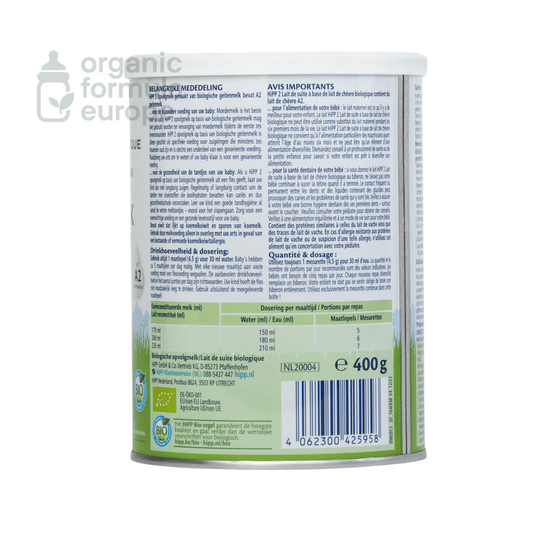


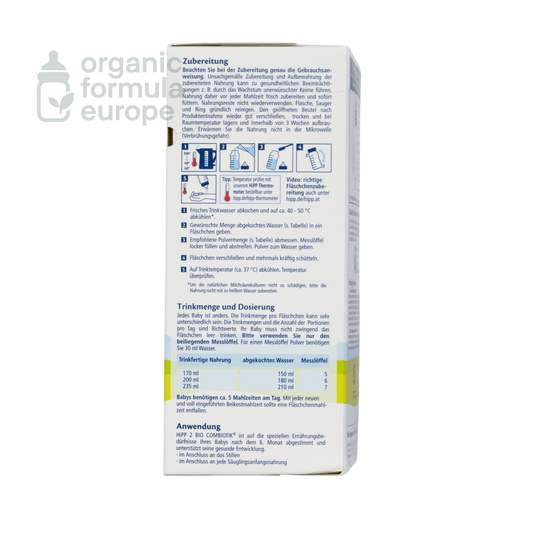

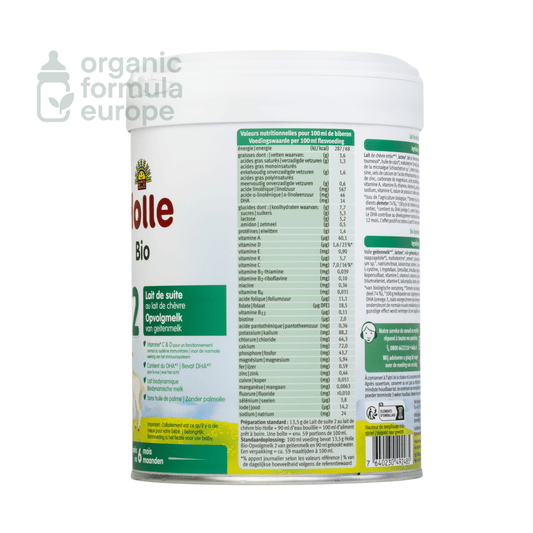

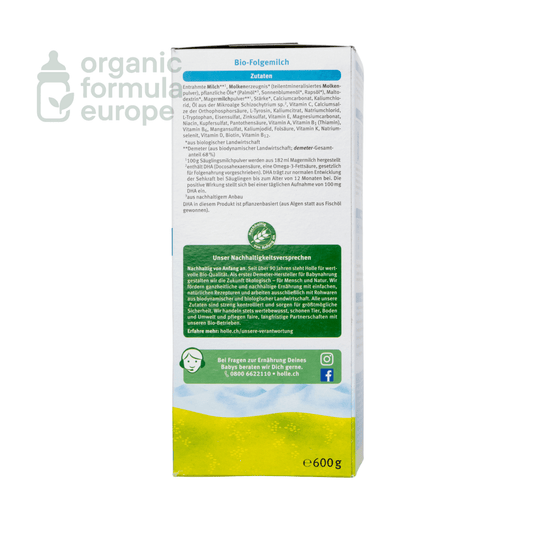

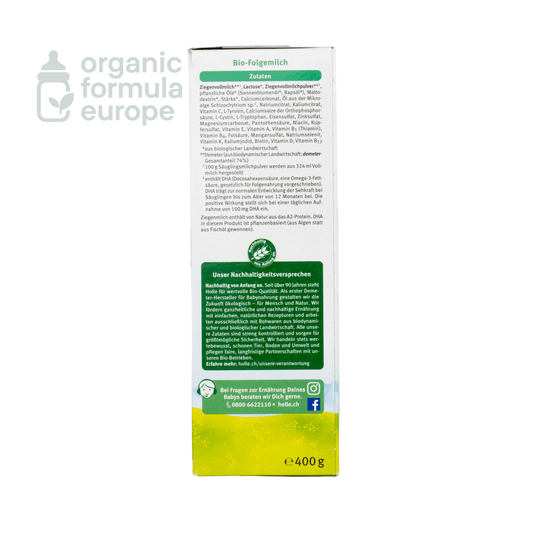

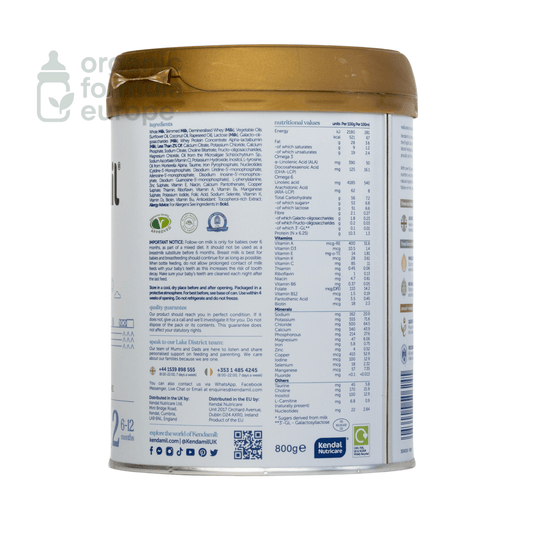

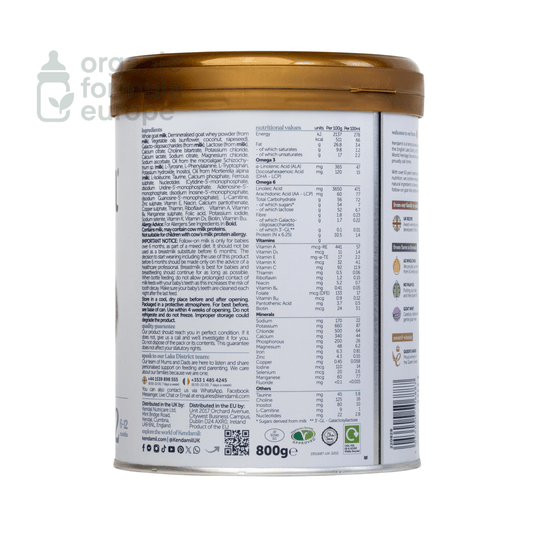

Formula Stage 2, European Follow-On Formula for 6 to 12 Months
Around the six-month mark, your baby enters one of the most exciting chapters of early life, sitting up, reaching out, exploring first foods. Everything is changing at once.
Alongside those first spoonfuls of solid food, many families begin to wonder whether their current Stage 1 formula milk is still the best option to support this new phase.
Formula Stage 2, also known as follow-on formula, is specifically formulated for babies from 6 to 12 months of age. It is designed to complement an expanding diet rather than serve as a baby's sole source of nutrition.
While a good Stage 1 infant formula covers all the nutritional needs of a newborn from birth, Stage 2 is calibrated to work alongside the introduction of solid foods, reflecting the evolving needs of an older, more active baby.
It is important to understand that Stage 2 is not a required upgrade. If your baby is thriving on their current formula, there is no urgent need to switch. That said, many parents choose to move to a follow-on formula as part of a natural nutritional progression.
As always, speaking with your pediatrician before making any changes is the most reliable step.
Why European Organic Stage 2 Differs from Conventional Formula
When it comes to European baby formulas available through Organic Formula Europe, products are produced under strict regulatory frameworks that govern everything from ingredient sourcing to manufacturing processes.
Organically certified European follow-on formulas are free of synthetic pesticides, artificial additives, and genetically modified organisms.
Many brands carry the EU Organic and some also the Demeter certification, which both include strict requirements for animal welfare, pesticide-free pasture management, and free grazing practices.
This means the milk in these formulas comes from animals raised on certified organic farms, with full traceability from farm to tin.
In addition, European formula brands have long been committed to producing nutritious baby formula without unnecessary fillers or sweeteners. Lactose is the primary carbohydrate in many Stage 2 options; some (e.g. Holle) also use maltodextrin and starch. None rely on corn syrup solids. If palm oil is used (this depends on the brand and formula line) it is usually organically sourced palm oil.
Organic Certification and Peace of Mind for Parents
For premium European baby formulas, organic certification is more than a marketing label. It is a comprehensive standard covering soil health, animal welfare, and ingredient integrity.
When a Stage 2 formula carries an EU organic certification, every ingredient has passed through a verified supply chain. Note that not every stage 2 formula is automatically organic. Some, like the Kendamil Classic Stage 2, are not organic.
Many brands go a step further, holding Demeter biodynamic certification, the gold standard in sustainable, holistic farming, with commitments to ecological responsibility that are reflected across their entire product lines.
Key Nutrients in Organic Stage 2 Formula
A well-formulated follow-on Stage 2 is composed to meet the nutritional needs of babies 6 to 12 months old. While every brand has its own proprietary recipe, European Stage 2 formulas typically share several core nutritional principles.
Iron is one of the most notable differences between Stage 1 and Stage 2 formulas. As babies grow older, their natural iron reserves begin to decrease, so their diet needs to account for this shift.
Follow-on formulas are enriched with iron to help support this requirement, which is why Stage 2 is formulated specifically for older babies and not intended for newborns.
DHA, an omega-3 fatty acid, is a standard component under EU nutritional guidelines for follow-on formula, most often derived from sustainably sourced algae and, in some formulas, fish oil.
Alongside DHA, many formulas also include ARA (arachidonic acid), an omega-6 fatty acid, as well as essential vitamins and minerals that complete the nutritional profile for an active, growing baby.
Prebiotics, Probiotics, and GOS in Stage 2 Formula
A hallmark of premium European Stage 2 formulas is the inclusion of gut-supportive ingredients. Many contain GOS (galacto-oligosaccharides), prebiotic dietary fibers that help nurture a balanced gut environment.
GOS occurs naturally in human milk and is a standard addition in many European follow-on formulas. Some brands also incorporate probiotic lactic acid cultures to further support digestive comfort.
These ingredients are included in line with EU guidelines for infant nutrition and reflect a broader commitment within the European formula industry to support the whole picture of infant wellbeing.
If you are curious about how a particular brand approaches gut health, reading the ingredient list carefully and discussing any questions with your healthcare provider is always a good idea.
Stage 2 Brand Options, HiPP, Holle, and Goat Milk Varieties
The European organic follow-on formula market offers genuine variety. At Organic Formula Europe, the Stage 2 collection includes options from some of the most trusted names in European infant nutrition.
For families who prefer cow's milk-based formulas, HiPP, Holle and Kendamil offer well-established Stage 2 options with organic certification or a classic line and clean ingredient lists.
HiPP's Combiotic Stage 2 includes for example both GOS prebiotics and probiotic cultures and Holle's Stage 2 carries the Demeter biodynamic certification and is known for its minimal, purposeful ingredient list.
If you are exploring alternatives to cow's milk, the collection also includes Stage 2 Goat Milk Formula options from reputable European producers. Goat milk formulas have a naturally different protein and fat structure, including a higher proportion of A2 casein and naturally smaller fat globules, and have become an increasingly popular choice for parents seeking a gentler alternative.
When comparing options, pay attention to the carbohydrate source, the type and origin of fats, and whether the formula carries third-party organic certification.
Transitioning from Stage 1 to Stage 2 Formula
Moving from Stage 1 to Stage 2 does not need to be an abrupt switch. Many parents find that a gradual transition over several days works well, introducing the follow-on formula in increasing amounts while reducing the previous one.
This gives your baby's digestive system time to adjust to any differences in composition.
Introducing Stage 2 formula typically coincides with the start of solid foods, so your baby's overall intake of formula may naturally begin to decrease during this period.
Formula remains an important part of nutrition throughout the first year, working alongside a growing variety of solid meals rather than being replaced by them.
If you are still exploring earlier options, our Formula Stage 1 collection gives a helpful overview of options available from birth. And for those already thinking ahead, Formula Stage 3 is the natural next step for babies approaching their first birthday.
Shopping for Stage 2 Formula at Organic Formula Europe
At Organic Formula Europe, the Stage 2 collection is carefully curated to include only formulas that meet our standards for organic certification, ingredient quality, and brand integrity. We source directly from established European producers and ship with care to ensure every tin arrives in perfect condition.
Our goal is always to help you make an informed choice rather than pressure you into one. Whether you are new to European baby formula or returning for a trusted favorite, you will find a range that reflects the best of European organic infant nutrition.
Frequently Asked Questions
What age is Formula Stage 2 suitable for?
Formula Stage 2 is designed for babies from six months of age. It is formulated to complement the introduction of solid foods rather than serve as the sole nutritional source. Do not offer Stage 2 to newborns. If you are unsure about the right timing for your baby, your pediatrician is the best person to guide you.
Is European baby formula Stage 2 safe for my baby?
Yes. European follow-on formulas are produced under some of the strictest food safety and nutritional regulations in the world. All products in our collection carry recognized certifications and are manufactured in facilities that meet high European quality standards. Always read the label carefully and consult your healthcare provider with any specific questions about feeding options.
What is the difference between Stage 1 and Stage 2 formula?
Stage 1 infant formula is designed from birth and can be used as the sole source of nutrition when breastfeeding is not possible or supplemented. Stage 2 follow-on formula is intended from six months onward and is formulated to work alongside solid foods. Stage 2 formulas often contain higher levels of iron and may have a slightly different macronutrient profile to reflect the needs of older, more active babies.
Can I mix Stage 1 and Stage 2 formula during the transition?
Many parents choose to gradually transition between stages over a period of several days, mixing the two formulas in varying proportions. This can make the switch feel more comfortable for your baby. There is no strict rule requiring an immediate switch, but we recommend speaking with your pediatrician to find the approach that suits your baby best.
Do European Stage 2 formulas contain palm oil?
This varies by brand. Several European organic follow-on formulas in our collection are formulated without palm oil, while others may include it. We recommend checking the individual product description on each listing for full ingredient transparency. Our product pages provide clear, honest information so you can compare formulas with confidence.
What is the difference between cow's milk and goat's milk Stage 2 formula?
Both are nutritionally complete follow-on options meeting EU standards for infant nutrition. The primary difference lies in the protein and fat structure of the milk base. Goat's milk has a naturally different protein composition and forms a softer curd, and its fat globules are naturally smaller. Neither type is universally better, the right choice depends on your baby's individual response and your family's preferences. A conversation with your pediatrician is always a good starting point.
How long should my baby use Formula Stage 2?
Formula Stage 2 is generally suitable from six months up to around twelve months, though every baby has unique feeding needs. After twelve months, many families transition to a Stage 3 or toddler formula to continue supporting nutritional needs as their child grows. Your healthcare provider can offer personalized guidance on the right timing.
European Baby Formula Brands
-

HiPP Formula
HiPP Formula, Organic European Infant Nutrition from Birth to Toddler For more...
-

Holle Formula
Confused About Holle Formula? Start Here There’s no shortage of options when...
-

Kendamil Formula
Kendamil Formula, British Whole Milk Infant Nutrition Choosing the right formula is...


