


Formula Stage 3


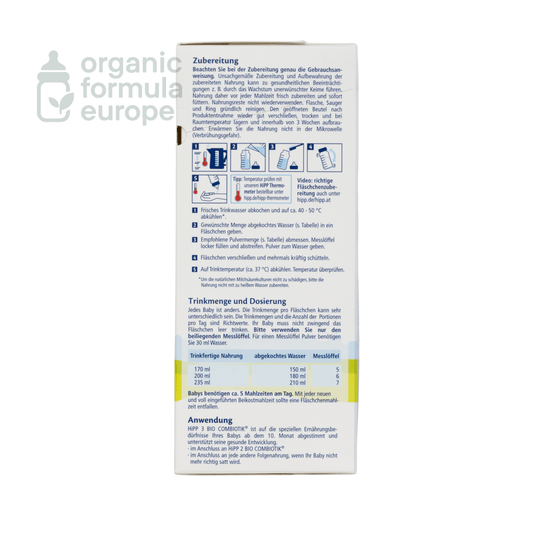

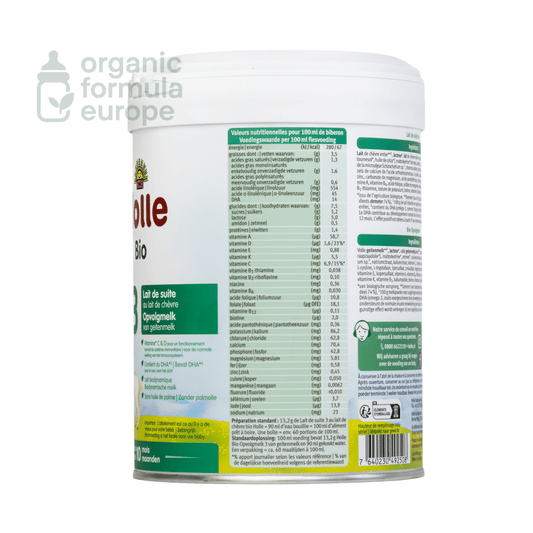

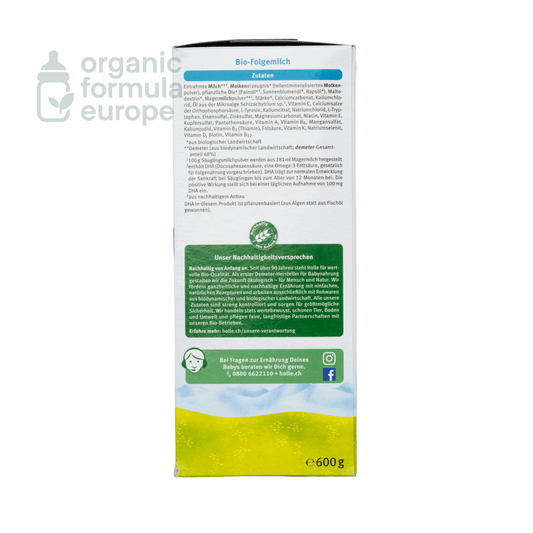




Formula Stage 3, European Toddler Formula from 10 or 12 Months
Watching your little one grow from a helpless newborn into a curious, active toddler is one of the most rewarding chapters of early parenthood. As your baby approaches ten to twelve months, their nutritional needs shift dramatically.
Toddlers are eating a diet primarily made up of solid foods, steamed vegetables, pasta, cheese cubes, diced fruit, yet keeping track of what a notoriously picky eater is actually consuming, and whether they are getting adequate daily nutrients, can be genuinely challenging for parents.
This is exactly why parents value Formula Stage 3 toddler milk. Designed for toddlers who consume mostly solid foods but still need reliable daily nutritional support, organic Stage 3 formulas from Europe are crafted to accompany this next phase of development.
At Organic Formula Europe, we offer a curated selection from respected European infant nutrition brands that meet rigorous organic standards, so you can feel confident in every scoop you prepare for your toddler.
Formula Stage 3 Definition and Age Range
Formula Stage 3, sometimes called follow-on toddler formula or growing-up milk, is designed for children from around 10 to 12 months and can typically be used up to 24 to 36 months, depending on the brand and the formula line.
It is intended to complement a growing diet of solid foods rather than serve as the sole source of nutrition.
At this stage, toddlers are becoming increasingly mobile, curious, and energetic. Their bodies are growing rapidly, and their nutritional requirements are evolving accordingly.
Stage 3 formulas are formulated to address these changing needs, offering a balanced blend of macronutrients and micronutrients appropriate for children in this active developmental window. Every child is different, and we always encourage parents to speak with their pediatrician before changing their child's feeding routine.
European Organic Standards in Stage 3 Toddler Formula
European infant formula brands, including HiPP, Holle, and Kendamil, must adhere to strict agricultural and manufacturing guidelines governing what can and cannot go into a formula tin.
Many Stage 3 formulas in our collection carry EU Organic certification, meaning the milk comes from farms where animals are raised according to certified organic practices. This typically means no use of synthetic pesticides or fertilizers in the feed supply and a commitment to responsible animal husbandry.
EU Organic Certification and Clean Ingredients from Farm to Tin
The requirements to earn organic certification in Europe are among the strictest in the world.
When you research organic baby formula from Europe, you will often find that European Stage 3 toddler formulas are free from added sugars, maltodextrin, synthetic preservatives, and palm oil. However the ingredients always depend on the brand you chose and the formula line. Note the some brands use organically sourced palm oil.
Furthermore, they tend to feature thoughtfully selected milk bases and fats, along with nutrient sources like DHA (either from fish oil or algae) and prebiotics. The Demeter biodynamic certification held by brands such as Holle goes even further, covering soil health, biodiversity, and ecological farming practices that extend well beyond standard organic requirements.
Trusted Brands in the Stage 3 Collection
Our Formula Stage 3 collection features products from some of the most respected names in European infant nutrition. HiPP, Holle, and Kendamil each bring their own approach to toddler formula, all rooted in a shared commitment to quality sourcing, transparency, and generations of experience in baby nutrition.
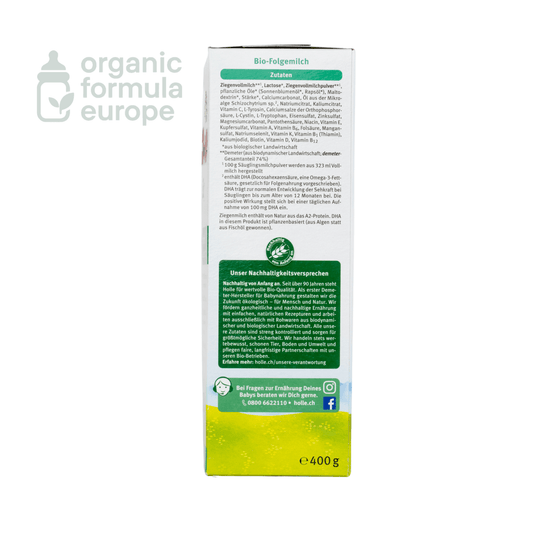
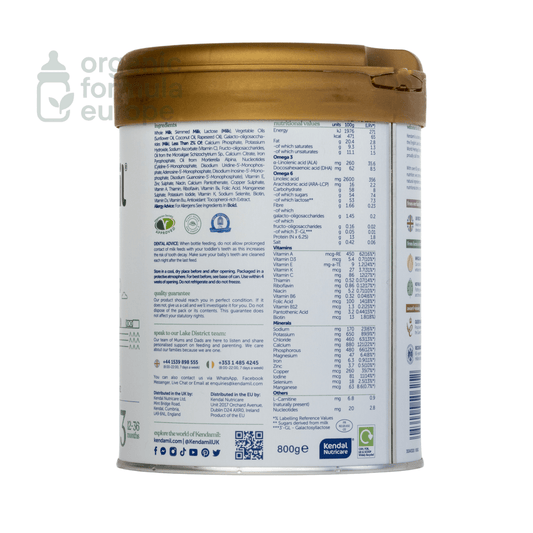
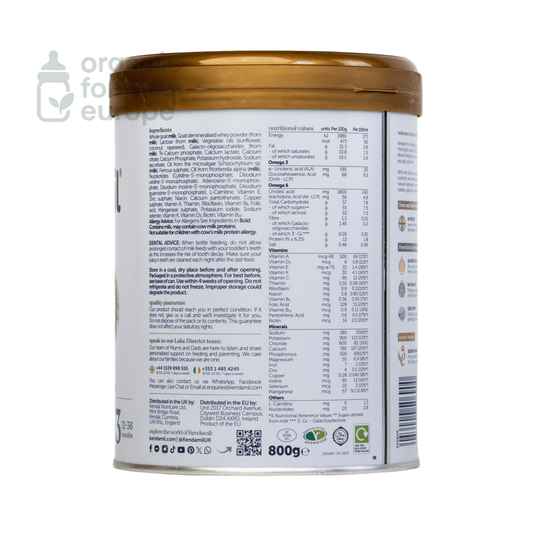
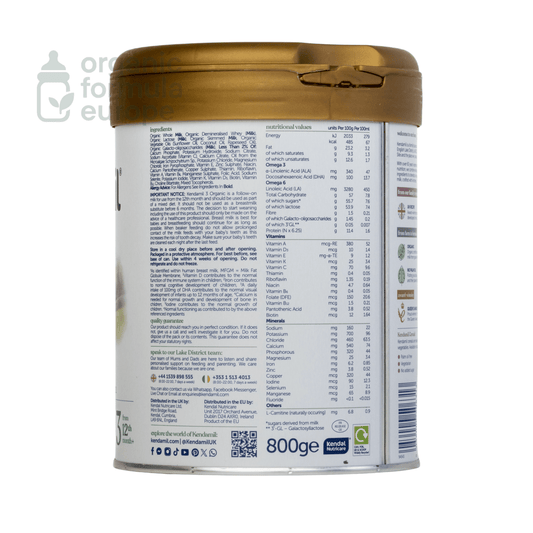
If you are already familiar with HiPP Formula Stage 3 or exploring Holle Formula Stage 3, our product pages offer detailed ingredient overviews to help you choose the best toddler milk for your little one. You can also browse the full Kendamil Formula Stage 3 range.
Key Nutrients in Stage 3 Growing-Up Milk
One reason parents turn to a dedicated Stage 3 formula rather than transitioning straight to regular cow's milk is the added nutritional value these formulas provide.
European Stage 3 options are generally formulated to include essential nutrients that active toddlers need for continued growth and development.
Fat plays an essential role in a toddler's overall nutrition and energy supply. Many formulas feature a blend of fats that includes omega-3 and omega-6 fatty acids.
These nutrients are naturally occurring in various foods and are included in formulas as part of a balanced nutritional composition.
Vitamins A, C, and D, along with key minerals including calcium, iron, and zinc, are typically present in amounts appropriate for children in the toddler age range. These nutrients contribute to a well-rounded daily intake, especially on days when your little one may not consume a fully varied diet through solids alone.
A2 Beta-Casein in Cow Milk Stage 3 Formula
Among the growing number of specialty options in the Stage 3 category, A2 formula has attracted considerable interest from parents seeking alternatives within the cow's milk formula space.
A2 formula is made using milk that contains predominantly the A2 beta-casein protein type, rather than the mixture of A1 and A2 proteins found in most standard cow's milk. This type of milk is naturally produced by certain breeds of cows, and it is distinct from the protein modification that occurs in goat milk formula.
Some parents find that their toddlers tolerate A2-based formulas well and prefer this protein profile. It is important to understand that A2 formula is still a cow's milk-based formula and is not suitable as a substitute for medically recommended alternatives in cases of confirmed milk protein concerns.
If you have specific questions about which formula type suits your child, a conversation with your pediatrician is always the most reliable starting point.
Tips for Choosing the Right Stage 3 Formula
With several excellent brands and toddler milk formula options available, here are practical considerations to guide your decision.
-
Milk base.
Most Stage 3 formulas are cow's milk-based, but goat milk options are also available. If your toddler has done well on goat milk through earlier stages, Stage 3 Goat Milk Formula may offer a seamless transition.
-
Organic certification.
Look for European formulas carrying recognized organic certification. The Stage 3 collection at Organic Formula Europe focuses on certified organic products wherever possible.
-
Brand continuity.
If your baby has used a particular brand through Stages 1 and 2, continuing with the same brand's Stage 3 offering can help minimize any adjustment period during the transition.
-
Age range.
Different brands define the start of Stage 3 slightly differently, with some beginning at 10 months and others at 12 months. Always check the specific product's recommended age range and consult your healthcare provider when in doubt.
Transitioning from Stage 2 to Stage 3
Transitioning from Stage 2 to Stage 3 is generally straightforward for most toddlers. Many parents choose to introduce the new formula gradually over several days, mixing increasing amounts of Stage 3 with the previous Stage 2 to allow the digestive system to adjust gently.
During this time, it can also be helpful to observe how your toddler responds to the new formula and to keep mealtimes as calm and positive as possible. Stage 3 formulas are typically thicker in consistency than earlier stages, reflecting the higher casein-to-whey ratio commonly found in growing-up milks.
If you are transitioning between stages and looking for guidance on earlier stages, our Formula Stage 2 collection offers the same standard of quality and care.
Shop Stage 3 Formula at Organic Formula Europe
At Organic Formula Europe, we believe every parent deserves access to high-quality, transparently sourced formula from brands with a long-standing reputation for excellence.
We source directly from trusted European producers and make the full range of Stage 3 options available in one place, so you can compare, choose, and order with confidence.
Our team is passionate about infant nutrition and committed to providing clear, honest information alongside every product we carry.
Frequently Asked Questions
What age is Stage 3 formula suitable for?
Formula Stage 3 is generally designed for toddlers from around ten to twelve months of age, depending on the brand. Some formulas are formulated for children up to twenty-four or even thirty-six months. Always check the specific age recommendation on the product packaging and consult your pediatrician if you are unsure when to make the transition.
Does my toddler need Stage 3 formula, or can I switch straight to cow's milk?
This is a common question, and the answer depends on several factors, including your child's diet, growth, and overall nutritional intake. Stage 3 formula offers a broader nutrient profile than standard cow's milk, including iron, vitamins, and fatty acids that may be beneficial during the toddler years. Many pediatricians recommend discussing transition timing with a healthcare professional rather than making the switch automatically at twelve months.
What is the difference between Stage 2 and Stage 3 formulas?
Stage 2 formulas are designed for babies from around six months and complement the introduction of solid foods. Stage 3 formulas are tailored to toddlers and generally feature a higher casein content, adjusted mineral levels, and a nutrient composition suited to a child who is increasingly active and eating a broader range of foods. The protein and fat ratios may differ between stages to reflect these evolving needs.
Are all Stage 3 toddler formulas at Organic Formula Europe certified organic?
The majority of Stage 3 formulas in our collection come from brands holding recognized organic certification, meaning the source milk is produced according to certified organic farming practices. Each product page includes detailed information about the certifications that apply to that specific formula, so you can review the specifics before purchasing.
How do I transition my toddler from Stage 2 to Stage 3?
A gradual transition is generally recommended. Begin by replacing one feeding per day with Stage 3 formula while continuing with Stage 2 for the remaining feeds. Over five to seven days, incrementally increase the proportion of Stage 3 until the transition is complete. If your toddler shows any signs of discomfort or feeding resistance, slow the process and consult your pediatrician.
Can I use Stage 3 formula alongside solid foods?
Yes, Stage 3 formula is specifically designed to be used alongside an increasingly varied diet of solid foods. It is not intended to replace meals but to complement them, helping fill nutritional gaps as toddlers develop their eating habits and preferences. Portion guidance is typically printed on the product packaging and can also be discussed with your child's healthcare provider.
European Baby Formula Brands
-

HiPP Formula
HiPP Formula, Organic European Infant Nutrition from Birth to Toddler For more...
-

Holle Formula
Confused About Holle Formula? Start Here There’s no shortage of options when...
-

Kendamil Formula
Kendamil Formula, British Whole Milk Infant Nutrition Choosing the right formula is...


