


Stage 2 Goat Milk Formula

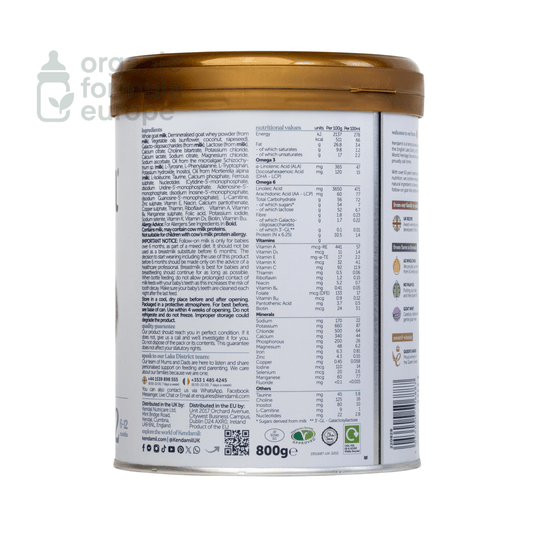

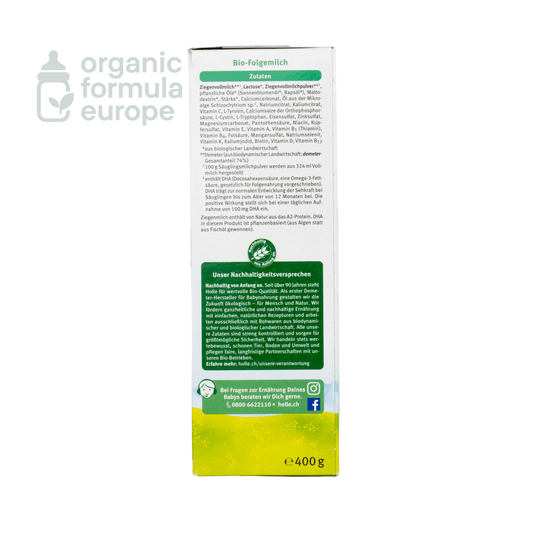

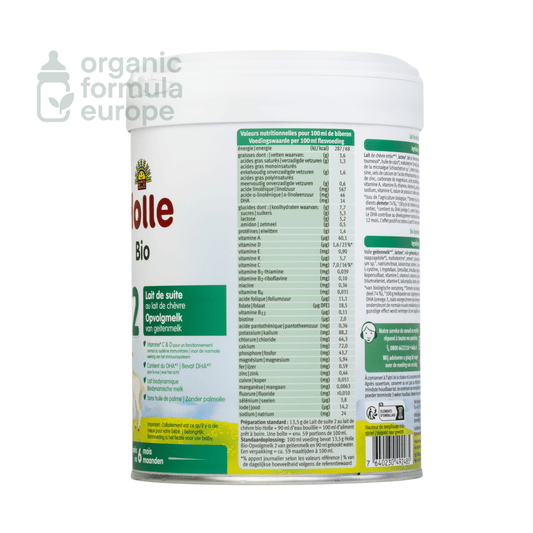

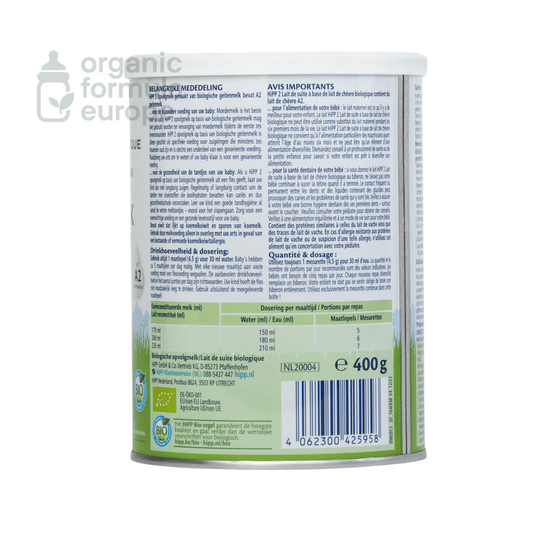
Stage 2 Goat Milk Formula, European Organic Follow-On Milk
Stage 2 goat milk formula is a follow-on milk designed for babies from around six months of age, typically used alongside the gradual introduction of solid foods.
At this stage your little one is growing fast, becoming more active, and beginning to explore a wider world of tastes and textures. A follow-on milk complements this progression from Stage 1 while maintaining consistency in taste and texture.
Although American parents have traditionally favored cow's milk formula, goat milk has distinct virtues that make it appealing for organic infant nutrition. Its protein structure is different from standard cow's milk, as goat milk proteins form a softer, more easily broken-down curd in the stomach.
It also contains smaller fat globules and a notable proportion of medium-chain fatty acids. These characteristics have made goat milk formula a popular choice among parents. Many think that goat milk is a naturally gentle alternative for babies with sensitivities.
Stage 2 formulas are specifically adapted to meet the shifting needs of older infants. Compared to Stage 1, they typically feature adjusted levels of iron, calcium, and vitamins to support growth during the weaning phase.
They are not intended to be your baby's sole source of nourishment, but to work alongside solid foods as part of a balanced diet.
European Organic Standards, What Sets Goat Formulas Apart
When it comes to infant nutrition, origin and quality standards matter deeply to many parents, which is why they choose European organic baby formula. European organic formulas are produced under some of the most stringent agricultural and food safety regulations in the world. Organic certification means that the goats graze on pastures free from synthetic pesticides and herbicides, and that the entire production chain is subject to regular inspection and transparent documentation.
European baby formula brands that produce Stage 2 goat milk formula are often family-owned companies with decades of experience in organic infant nutrition. They prioritize minimal processing, clean ingredient lists, and responsible sourcing. Many of these formulas carry certifications that prohibit GMOs, artificial colors, or synthetic additives, a defining reason why so many families seek out Organic Formulas from European producers.
Key Nutrients in Stage 2 Goat Milk Formula
A high-quality European Stage 2 goat milk baby formula is nutritionally complete and carefully adapted for babies between 6 and 12 months of age. Here is a closer look at the nutrients commonly found in these formulas and why they matter.
Proteins, Fats, and Omega-3 Fatty Acids
Goat milk is naturally rich in whole milk fats, including palmitic acid, which is also found in breast milk. This natural fat profile means that goat milk formulas built on whole goat milk, such as those from Holle and Kendamil, can keep their recipes free from palm oil, relying on the goodness already present in the milk itself. Goat milk proteins are predominantly of the A2-type, distinct from the mix of A1 and A2 proteins more common in standard cow milk.
The formula also contains added DHA, an omega-3 fatty acid that plays an important role in general infant development. Some brands, such as Holle, source their DHA from algae, a more sustainable and neutral-tasting option, while others, such as HiPP, use fish oil.
Lactose and Prebiotics for Gut Health
Lactose is the primary carbohydrate in goat milk and remains the preferred carbohydrate source in many high-quality Stage 2 formulas. Some formulas in this category are essentially lactose-based, containing no starch or maltodextrin, something many parents specifically look for when comparing options.
Prebiotics are another key feature of many European goat milk formulas. These non-digestible fibers support a balanced gut environment, playing an important role in overall infant wellbeing during the weaning period and beyond.
Iron, Vitamins, and Minerals for Active Babies
Because the natural iron content of goat milk is relatively low, Stage 2 formulas are fortified to ensure babies receive adequate amounts of this essential mineral during a phase when dietary iron becomes increasingly important. Many formulas in this category also feature elevated levels of vitamins C and D as required per EU-regulations to support the immune system and general development. Calcium and phosphorus, naturally present in goat milk, are further optimized to align with infant nutritional guidelines.
Stage 2 Goat Brands, HiPP, Kendamil and Holle
At Organic Formula Europe, we carry Stage 2 goat milk formula from some of the most trusted European brands. Each brings its own philosophy, so you can find the right fit for your family.
HiPP Goat Milk Formula is certified organic and uses lactose as its main carbohydrate in its Stage 2 product, with no starch or maltodextrin, and a clean ingredient list that resonates with parents who value simplicity. HiPP's Combiotic approach combines prebiotic GOS for gut support. HiPP goat is built on skimmed goat milk and sources its DHA from fish oil.
Holle is a European brand with a long tradition of biodynamic and organic farming. Their goat milk formulas are made with whole Demeter-certified goat milk, a distinction that reflects some of the most rigorous organic farming standards available. Holle's Stage 2 goat milk formula is palm-oil-free and enriched with algae-derived DHA. Holle offers both a German organic goat stage 2 that comes in 400g tins as well as a Dutch version that is sold in 800g tins. Both are of course Demeter-certified.
Kendamil also offers a whole-milk goat milk range for families who prefer to continue with that brand. Made with full-cream goat milk and designed to support this next stage of development, the formula provides a gentle alternative for parents who prefer goat milk-based nutrition while maintaining the quality and standards Kendamil is known for.
Stage 2 Goat Formula and the Weaning Journey
Introducing Stage 2 formula is a natural step in your baby's feeding journey. From around 6 months, most babies begin exploring their first solid foods while still relying on milk as their primary source of nutrition. A Stage 2 goat milk formula is designed to complement this mixed feeding approach, not to replace it.
During the early weaning phase, formula remains central to your baby's diet. As you gradually introduce purees, mashed vegetables, fruits, and soft grains, the formula continues to provide essential nutrients between meals. Many parents find it helpful to offer formula feedings at consistent times throughout the day, allowing solid-food exploration to happen in a relaxed way.
If you are combining breast milk with formula during this period, a Stage 2 goat milk formula can support a gentle, comfortable transition. As always, speak with your pediatrician before making changes to your baby's feeding routine. Once your baby approaches twelve months, you can explore our range of goat milk toddler formula options.
Why Parents Choose Stage 2 Organic Goat Milk Formula
The decision to feed your baby goat milk formula at this stage is one that more and more parents are making with confidence. Goat milk has a long history in European food culture and has been used in infant nutrition for many decades.
Its naturally gentle composition, together with the high organic standards applied by leading European brands, makes it a compelling option for families who want reassurance about what they are feeding their babies.
Parents often appreciate that goat milk formulas feel like a cleaner choice. The shorter ingredient lists, the absence of palm oil in many products, and the use of whole organic goat milk rather than heavily fractionated milk components all contribute to a sense of nutritional integrity.
If you are also exploring cow's milk-based options at this stage, our Stage 2 cow milk formula collection gives you a broader view of what European organic follow-on milks have to offer.
Frequently Asked Questions
What age is Stage 2 goat milk baby formula best suited for?
Stage 2 goat milk formula is generally designed for babies from around six months of age up to twelve months. At this stage, babies are typically beginning to explore solid foods as part of the weaning process, and a follow-on milk is intended to complement that mixed diet. It is always a good idea to consult your pediatrician to confirm the right timing for your baby specifically.
Is goat milk formula easier to digest than cow's milk formula?
Goat milk has a naturally distinct protein and fat profile compared to standard cow's milk. Its proteins are predominantly of the A2-type, and its fat globules are generally smaller, which is often associated with a gentler digestive experience. Many parents report that their babies tolerate goat milk formula well, though every baby is unique. If you have concerns about digestion, reflux, or milk tolerance, please speak with your child's healthcare provider.
Can I combine Stage 2 goat milk formula with breastfeeding?
Yes, many parents successfully use Stage 2 goat milk formula as part of a combined feeding approach alongside breastfeeding, sometimes called combo feeding. Formula can be offered as a supplement to breast milk during the weaning phase without any issue. A conversation with your midwife or pediatrician can help you find the right balance for your individual situation.
Are Europe's best goat milk formulas all organic?
Most of the Stage 2 goat milk formulas available at Organic Formula Europe are certified organic. This means the goat milk is sourced from farms where animals are raised on organic pastures without synthetic pesticides, herbicides, or GMOs. Some brands go further with biodynamic Demeter certification, which represents the gold standard in organic farming. Each product page contains full details about applicable certification standards.
How is Stage 2 goat milk formula different from Stage 1?
Stage 1 goat milk formula is designed for newborns and younger infants up to around six months as a complete source of nutrition. Stage 2 is adapted for older babies who are beginning to eat solid foods alongside milk. The key differences involve adjusted levels of iron, calcium, and certain vitamins to align with the changing needs of a growing baby at this developmental stage. Stage 2 is designed to work as part of a broader, varied diet.
Does Stage 2 goat milk formula contain palm oil?
This varies by brand. Whole-milk goat formulas, such as those from Holle and Kendamil, are often formulated without palm oil, because whole goat milk already contains a naturally beneficial fat profile, including palmitic acid. Others, such as HiPP, do include organic palm oil. Always check the ingredient list of your chosen product, as formulations vary between brands.
How do I prepare Stage 2 goat milk formula safely?
Always follow the preparation instructions printed on the packaging of your chosen formula, as the water-to-powder ratio may differ between brands. The World Health Organization recommends mixing powdered formula with water at around 70 degrees Celsius to reduce bacterial risk, while some European brands specify a lower temperature to protect live probiotic cultures, so the box is your primary reference. Measure the correct number of scoops, mix thoroughly, and use prepared formula promptly rather than reheating or storing it for later use unless your healthcare provider advises otherwise.
European Baby Formula Brands
-

HiPP Formula
HiPP Formula, Organic European Infant Nutrition from Birth to Toddler For more...
-

Holle Formula
Confused About Holle Formula? Start Here There’s no shortage of options when...
-

Kendamil Formula
Kendamil Formula, British Whole Milk Infant Nutrition Choosing the right formula is...


