


Good Baby Formula











Good Baby Formula and What Makes European Organic Formulas Stand Out
Whether you are exclusively formula feeding your baby or using powdered formula as a complement to breastfeeding, you want complete confidence that every ingredient in your baby's bottle meets the highest possible standard for nutrition and quality.
At Organic Formula Europe, we believe that confidence starts with transparency, knowing exactly where your formula milk comes from and how it is made.
European organic formulas have earned a well-deserved reputation among parents worldwide for their rigorous production standards, carefully sourced ingredients, and commitment to clean, wholesome nutrition.
This page is your guide to understanding what makes a baby formula truly good, which brands stand out, and how to find the right match for your little one.
What Makes a Good Baby Formula
Not all baby formulas are created equal, and the difference becomes clear when you look closely at ingredient quality, sourcing practices, and production standards.
A good baby formula starts with a clean, traceable milk base, ideally from organically raised cows or goats that graze on natural pastures free from synthetic pesticides and herbicides.
Beyond the milk source, a scientifically composed formula includes balanced essential nutrients designed to complement the nutritional needs of a growing infant, from birth through the toddler years.
This means the right ratio of proteins such as whey and casein, an appropriate carbohydrate source, with lactose being the most natural and widely recognized, a carefully selected blend of essential fatty acids including omega-3, and the vitamins and minerals required for early development, such as vitamins A, C, and D along with copper, zinc, and magnesium.
Organic baby formulas produced in Europe must meet the stringent nutritional requirements set across the European Union, giving parents an additional layer of assurance that the formula has passed strict quality controls before it ever reaches their baby's bottle.
Organic Certification in European Baby Formula
When it comes to European baby formula, organic certification is more than just a label. It represents a commitment by farmers and formula manufacturers to uphold specific agricultural and production practices throughout the entire supply chain.
For baby formula, this means the milk, whether cow milk or goat milk, originates from farms that do not use synthetic fertilizers, growth hormones, routine antibiotics, chemical pesticides, or genetically modified feed.
The animals are raised with care, with access to outdoor grazing and a natural diet.
European organic certifications such as the EU Organic seal or Demeter reflect different tiers of this commitment. Brands carrying these certifications undergo additional scrutiny, regular audits, and independent verification, making their products among the most trustworthy on the market.
When you browse European formula brands at Organic Formula Europe, every baby formula option we carry has been selected with these organic certification standards in mind.
Good Baby Formula Brands, HiPP, Holle, and Kendamil
Choosing the best formula among the many available options can feel overwhelming. Here is an honest overview of the brands we carry and what sets each apart.
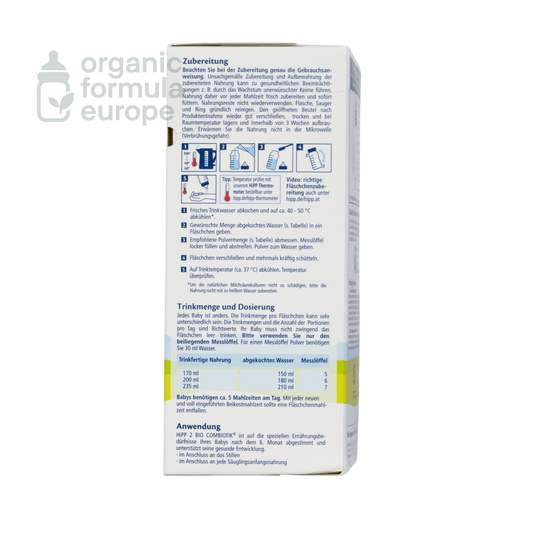
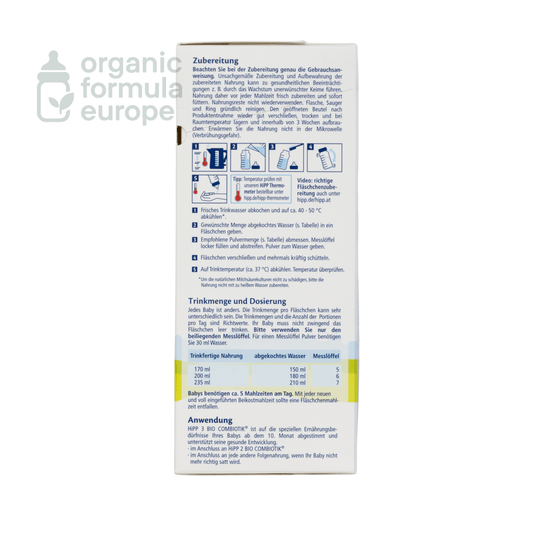
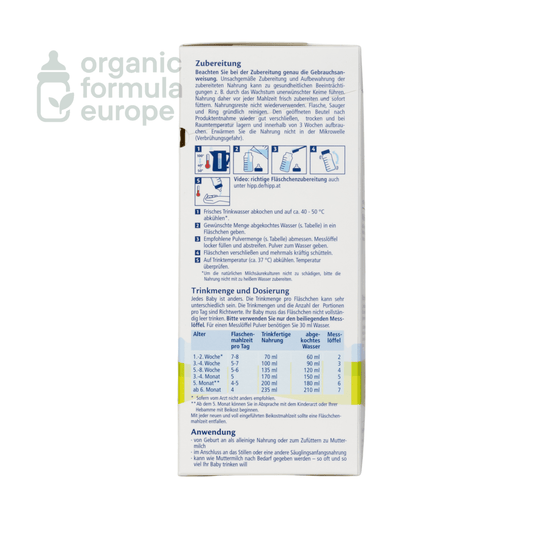
HiPP is one of the most established and well-respected names in European organic infant nutrition, with roots going back more than a century. HiPP formulas are made with organic cow or goat milk and are available in a wide range of stages for every age of infant development.
Their recipes use lactose as the primary carbohydrate in most variations, along with carefully balanced fatty acids and added prebiotic GOS to support a healthy gut environment.
HiPP also offers formula options designed for babies with specific feeding sensitivities, including their HiPP Comfort and HiPP Hypoallergenic Formula, which uses partially hydrolyzed milk proteins. These special formulas should only be used after a pediatrician has recommended so for your baby.
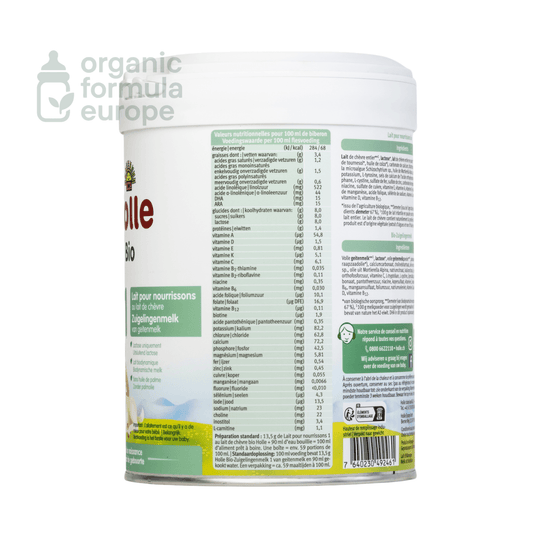
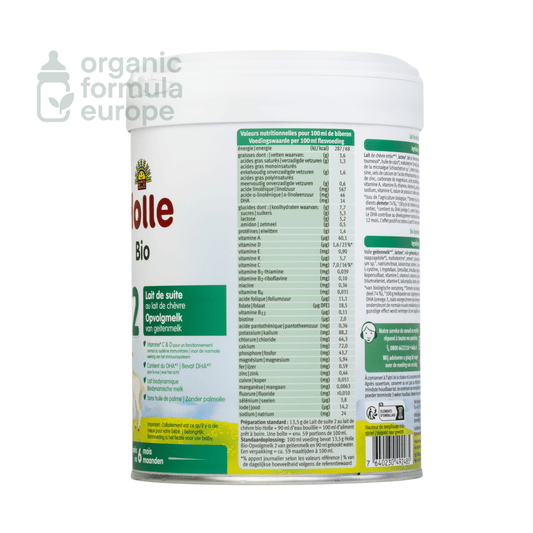
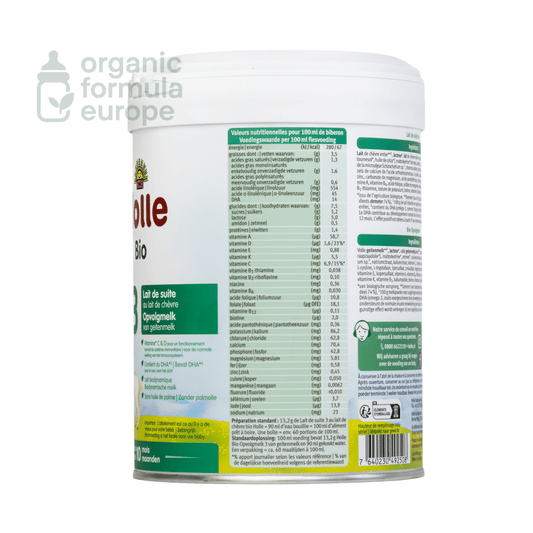
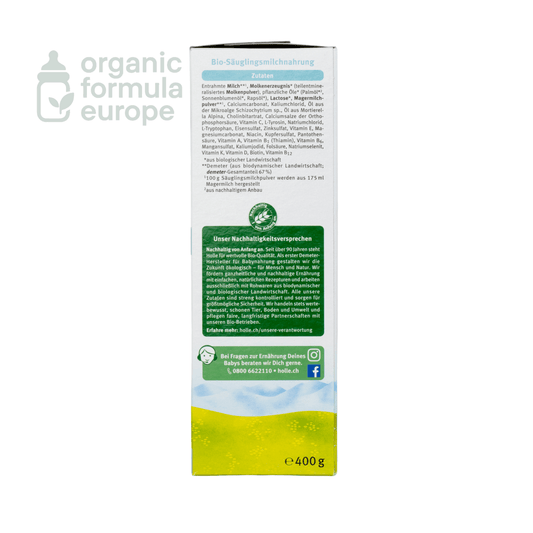
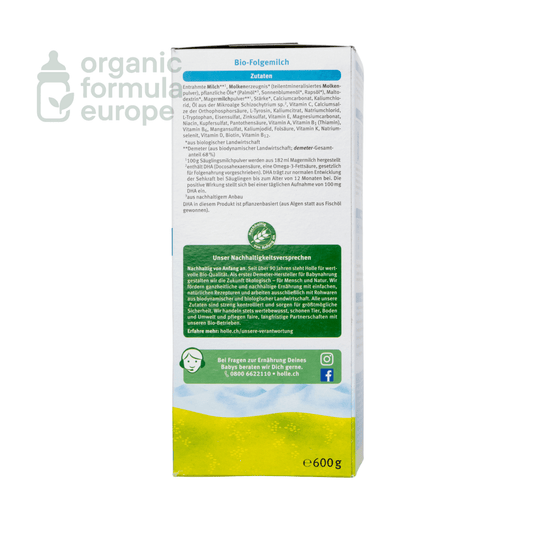
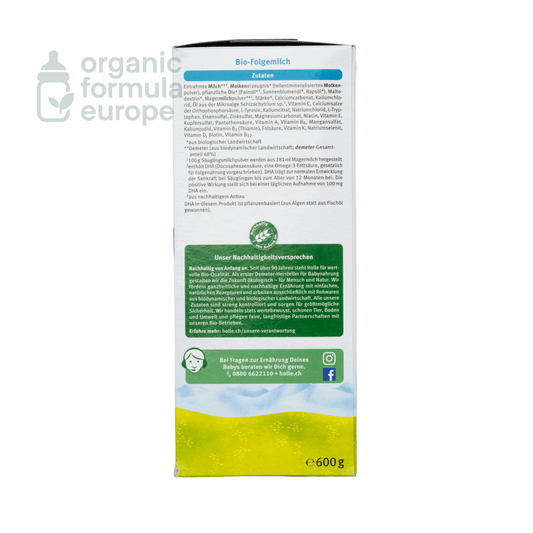
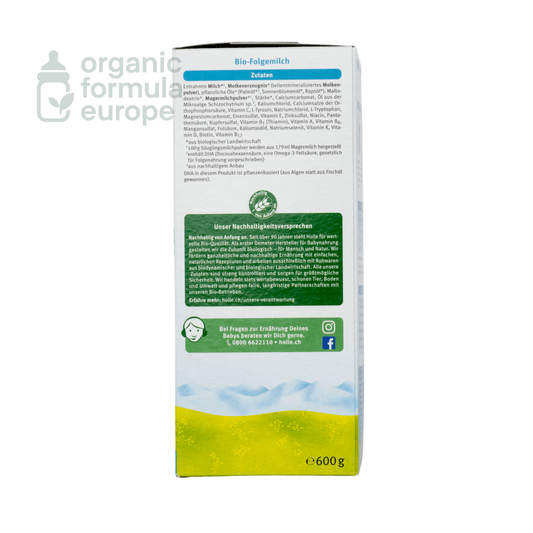
Holle has been making wholesome baby food in Europe for generations, rooted in Demeter biodynamic farming principles. Much of their cow milk range is made using organic milk that meets the Demeter biodynamic standard, widely regarded as one of the most stringent organic certifications in the world, while other products in the range carry EU organic certification.
Holle also offers a goat milk range, and their formulas are known for minimal, purposeful ingredient lists that keep unnecessary additives, preservatives, and colorings out of the tin.
Kendamil brings a distinct approach by using whole milk rather than skimmed milk powder, delivering a naturally creamier nutritional profile that also retains the milk fat globule membrane (MFGM).
As a British brand with strong organic credentials, Kendamil keeps palm oil out of all its recipes and sources its DHA from marine algae rather than fish oil, making it a popular choice for parents who prioritize sustainability alongside quality.
Key Factors When Evaluating Good Formula Options
When comparing formulas, it helps to know which elements truly matter so you can compare apples to apples.
Milk base and protein source.
The type of milk used forms the nutritional foundation of any formula. Organic cow milk is the most common and widely studied base. Goat milk offers a naturally different protein structure, including predominantly A2-type beta-casein, and some parents find it suits their baby's digestion better. Our Organic Goat Milk Formula collection offers a curated selection of high-quality goat-based options.
Carbohydrate source.
Lactose is the naturally occurring sugar present in breast milk as well as cow's or goat's milk. It remains the gold standard carbohydrate source in infant formula. Formulas that rely primarily on lactose, rather than added sugars like maltodextrin or glucose syrup, are generally considered a cleaner choice.
Fatty acid profile.
Good infant formulas include essential fatty acids, most commonly DHA and ARA. These are standard additions in European formulas and play an important nutritional role in early development. Many brands source their DHA from algae oil rather than fish oil, which is a more sustainable, eco-friendly, and neutral-tasting option.
Absence of unnecessary additives.
A shorter, cleaner ingredient list is the hallmark of a quality formula. Avoid formulas that include artificial flavors, colors, synthetic preservatives, excessive added sugars, or soy.
Understanding European Formula Stages
European baby formulas are organized into clear developmental stages, each formulated to match the evolving nutritional needs of growing infants and toddlers. Stage Pre or Stage 1 formulas are designed for newborns and very young infants, typically up to around six months old.
Stage 2 is designed for babies from around six months and has a slightly adjusted nutritional balance to complement the introduction of solid foods. Stage 3 and Stage 4 formulas, often called follow-on formulas or toddler milk, are tailored for older infants and toddlers as their consumption of solid food continues to expand.
The exact age ranges differ slightly between brands, so always check the packaging.
Choosing the right stage for your baby's current age and feeding pattern is just as important as choosing the right brand.
When in doubt, discuss your concerns about infant formula stages with your baby's pediatrician, who will help determine which stage is the right choice given your child's age and development.
Good Baby Formula for Every Feeding Journey
Every baby's feeding journey is unique, and a good formula should support that journey without judgment and with the overall goal of giving your baby the best start to life. Some parents use powdered baby formula as their infant's sole source of nutrition from birth, either by choice or by necessity.
Other parents use formula as a supplement to breastfeeding, to provide flexibility, to fit into their lifestyle, or to provide additional peace of mind. Many parents also gradually transition from breast milk to formula as breastfeeding naturally winds down.
In all of these situations, the priority is the same, finding a formula that is clean, complete, and well-tolerated by your baby. If your little one shows signs of discomfort during feedings, it is always worth speaking with your pediatrician about different options.
A healthcare professional can help you determine whether a standard formula, a goat milk option, or a more specialized hypoallergenic formula would be the most appropriate next step.
It is also worth noting that powdered baby formula cannot exactly replicate breast milk. Breast milk is uniquely dynamic and cannot be fully reproduced.
What European organic formulas do offer is a carefully crafted, research-based, regulated nutritional alternative that reflects decades of scientific research and an unwavering commitment to nutritional quality.
European Formula Brands' Commitment to Quality and Sustainability
Parents across the globe increasingly turn to European organic formulas because they trust the standards behind them.
The European Union maintains some of the most comprehensive and strictly enforced regulations for organic food production anywhere in the world, and infant formula is subject to particularly detailed oversight given its critical role in early nutrition.
European infant formula brands have invested generations into understanding infant nutrition, building supply chains rooted in organic agriculture, and developing formulas that reflect both scientific understanding and a deep respect for natural ingredients.
When you choose a European organic baby formula, you are not simply buying a product. You are choosing a philosophy of care that runs from the farm, through the factory, and directly into your baby's bottle. At Organic Formula Europe, every brand and product in our range has been thoughtfully selected to reflect this standard.
Frequently Asked Questions
What is a good organic European baby formula for a newborn?
For newborns, a Stage Pre or Stage 1 organic formula from a trusted European brand is generally a strong starting point. These formulas are designed specifically for the earliest months of life, with a nutritional composition that suits a young infant's needs. HiPP, Holle, and Kendamil all offer excellent newborn options with clean ingredients and organic certification. If you have any uncertainty about which formula is right for your newborn, consulting your pediatrician is always a wise first step.
What are good formula options if my baby has digestive sensitivity?
If your baby shows signs of digestive discomfort or sensitivity, several European formula options are worth exploring. Goat milk formulas are a popular alternative for parents who find their baby responds differently to cow's milk-based options. HiPP also offers hypoallergenic formulas with partially hydrolyzed proteins, which may be easier to process for some infants. Speak with a healthcare professional before switching formulas based on perceived sensitivity, as a pediatrician can best evaluate your baby's individual needs.
Are European organic baby formulas better than American-made formulas?
European organic formulas are widely respected for the strength of their organic certification standards and the quality of their ingredients. The EU's regulatory framework for organic food production and infant formula is considered among the most rigorous in the world. This does not mean no other formulas are good, but it does mean that European organic options offer a level of transparency and traceability that many parents find reassuring. The choice ultimately depends on what matters most to you and what works well for your baby.
Which good baby formula brands are available at Organic Formula Europe?
Our range includes HiPP, Holle, and Kendamil, three of the most trusted European organic formula brands. Each brings its own strengths, with Holle's Demeter biodynamic certification, Kendamil's whole milk formulation and palm-oil-free recipe, and HiPP's Combiotic line featuring prebiotic GOS and probiotic lactic acid cultures as well as special formulas like the HA line or the Anti-Reflux formula, which only should be used after a pediatrician has recommended so. Exploring the different brands and their individual philosophies is a great way to find the one that aligns most closely with your values and your baby's needs.
How do I know which formula stage is right for my baby?
Formula stages are based on age and developmental nutritional needs. Stage Pre and Stage 1 are for newborns up to around six months. Stage 2 is for babies from approximately six months onward. Stages 3 and 4 are intended for older infants and toddlers as complementary foods become a regular part of their diet. Most brand packaging clearly indicates the recommended age range, and your pediatrician can offer personalized guidance.
Is organic baby formula worth the investment?
Many parents feel that the peace of mind that comes with organic certification is well worth it. Knowing that the milk base comes from organically raised animals, that no synthetic pesticides or GMOs were used in production, and that the formula has passed rigorous quality controls gives families genuine confidence in what they are feeding their baby. At Organic Formula Europe, we work to make premium organic formulas as accessible as possible so that more families can benefit from these high standards.
European Baby Formula Brands
-

HiPP Formula
HiPP Formula, Organic European Infant Nutrition from Birth to Toddler For more...
-

Holle Formula
Confused About Holle Formula? Start Here There’s no shortage of options when...
-

Kendamil Formula
Kendamil Formula, British Whole Milk Infant Nutrition Choosing the right formula is...


