


Goat Milk Formula












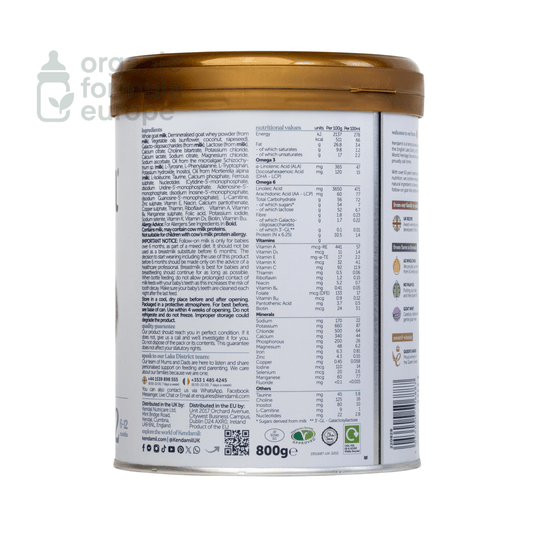
Goat Milk Formula and What Sets It Apart
Goat milk formula uses caprine milk as its protein and fat base instead of cow milk. Goat milk has a naturally different protein structure, with smaller fat globules and softer curds that may be easier for some babies to process. It is also naturally higher in A2 beta-casein, the protein type that many parents and researchers believe sits more gently on sensitive tummies. The whey-to-casein ratio in goat milk differs from that in cow milk, which may also contribute to easier digestion for some infants.
The European brands we carry at Organic Formula Europe use goat milk sourced from certified organic farms, meaning no GMOs, no synthetic pesticides, and no unwanted additives in the feed or the formula itself. Each tin is produced under strict EU organic standards that go well beyond what US regulations require.
Goat milk formula has grown considerably in popularity among US parents over the past decade. Families who want a cleaner ingredient list, a gentler digestive profile, and the reassurance of European organic certification are turning to brands like HiPP, Holle, and Kendamil in growing numbers.
Goat Milk Formula Benefits for Babies
Many parents turn to goat milk formula because their baby shows signs of digestive discomfort on a standard cow milk formula. The naturally smaller fat globules in caprine milk form softer curds in the stomach, which can mean quicker digestion and less gas or fussiness for some infants. This is one of the most commonly cited reasons for making the switch.
Goat milk is also naturally higher in A2 beta-casein protein compared to standard cow milk formula, and some families find this protein type sits better with their baby. Always speak with your pediatrician before switching formulas, especially if you suspect a sensitivity or allergy rather than general fussiness.
From an ingredients perspective, certified European goat milk formula also benefits from strict EU organic farming rules that govern how the goats are raised. No synthetic growth hormones, no routine antibiotics, and no GMO feed. For parents who scrutinize labels, these formulas tend to have shorter, cleaner ingredient lists than many US alternatives.
- Naturally smaller fat globules for potentially softer curds
- Naturally higher A2 beta-casein content
- Different whey-to-casein ratio compared to cow milk
- Certified organic farms with no GMOs or synthetic pesticides
- Available in multiple stages from birth through toddlerhood
Goat Milk Formula Limitations to Know
Goat milk formula is not right for every family, and it is worth being clear about its limitations. The two most commonly cited disadvantages are cost and availability. It tends to be priced higher than standard cow milk formula, and it is not always easy to find on local store shelves in the United States.
It is critical to understand that goat milk is not hypoallergenic. A baby with a diagnosed cow milk protein allergy may still react to goat milk proteins because the two share some similar protein structures. If your baby has been diagnosed with a cow milk protein allergy, please consult your pediatrician before trying a goat milk formula of any kind.
The research base for goat milk formula, while growing, is smaller than the decades of studies behind cow milk based formula. For most healthy babies, a standard cow milk formula remains the most widely studied and most commonly recommended starting point.
Goat Milk vs Cow Milk Formula
Cow milk formula is the most common infant formula base worldwide and the most extensively studied. It suits the majority of babies and comes in a wide variety of stages and formulations. Goat milk formula is a newer mainstream option with a smaller but growing body of research supporting its digestive profile.
The key practical differences come down to protein structure, fat composition, and availability. Caprine milk forms smaller, softer curds and contains higher natural A2 beta-casein levels. Cow milk formulas are generally easier to source locally and tend to cost less per tin. Both types, when formulated to EU standards, provide the vitamins, minerals, and macronutrients an infant needs.
Many parents who have tried both report that their baby tolerated one better than the other, but the only way to know is to try under the guidance of your child's doctor. The right formula is the one your baby does best on.
Goat Milk Formula for Healthy Babies
For healthy babies without a diagnosed allergy, goat milk formula from a reputable brand can be a good choice. The European brands we carry are all formulated to meet strict EU nutritional standards for infant nutrition, covering the full range of proteins, fats, carbohydrates, vitamins, and minerals a growing baby needs.
Whether it is the right fit depends on your baby's individual needs, your family's priorities, and the guidance of your pediatrician. Parents who value clean ingredients, organic certification, and a gentle digestive profile often find it a compelling option.
Goat Milk Formula Stages
Just like cow milk formulas, European goat milk formulas follow a stage system designed to match your baby's changing nutritional needs as they grow. Stage Pre and Stage 1 are designed for newborns and young infants from birth. Stage 2 transitions in around six months as solid foods begin. Stage 3 typically starts around ten to twelve months. Toddler or Stage 4 options support children twelve months and up alongside a varied diet.
Browse our goat milk infant formula page for first-year options or our goat milk toddler formula page for older children. Not every brand covers every stage in their goat milk line, so it is worth checking the individual brand pages. HiPP offers Stage 1 and Stage 2 in their goat range. Holle and Kendamil also offer multiple goat milk stages.
Staying consistent with one brand through the stages is convenient but not required. Your pediatrician can advise on whether switching brands at any point is appropriate for your child.
Goat Milk Formula Brands and Ordering
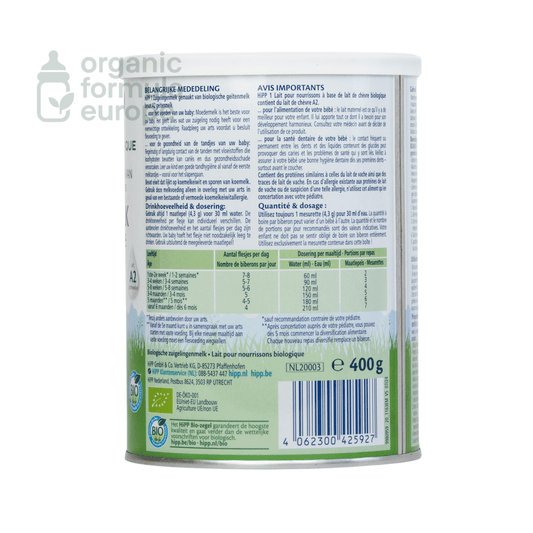
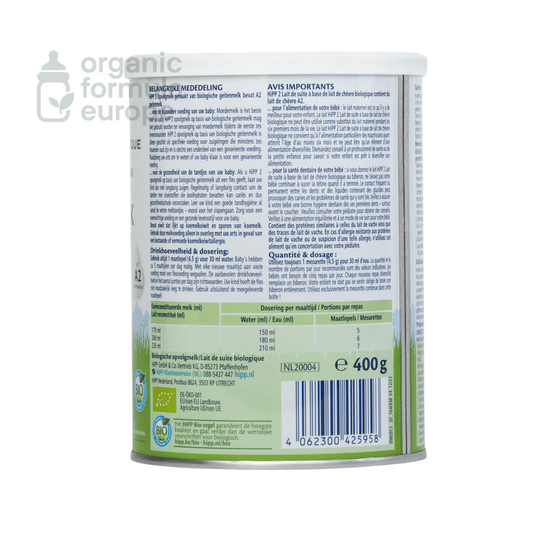
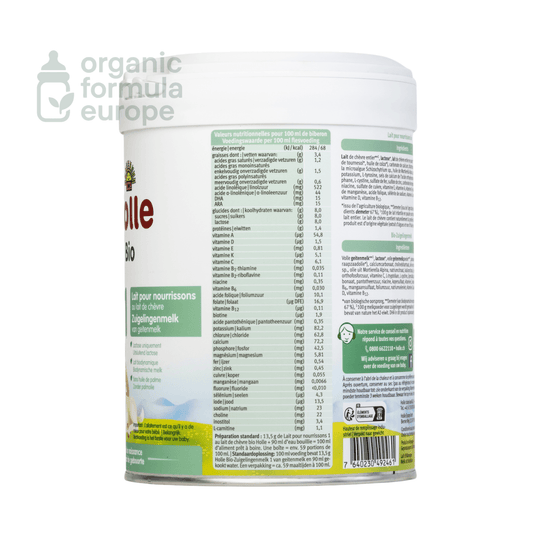
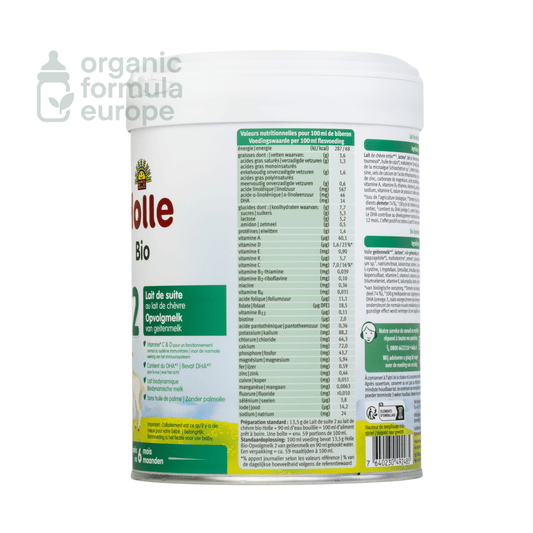
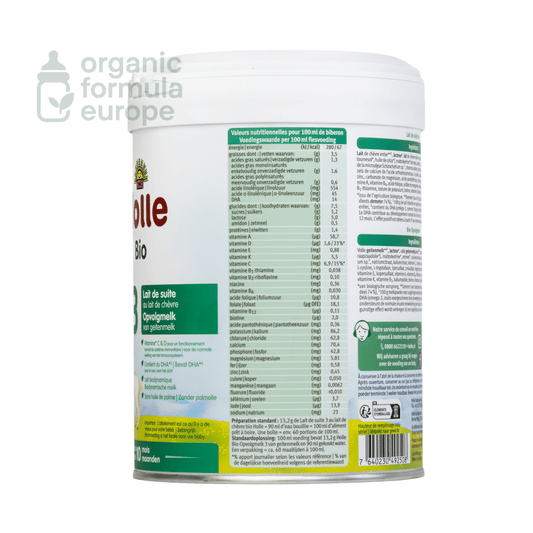
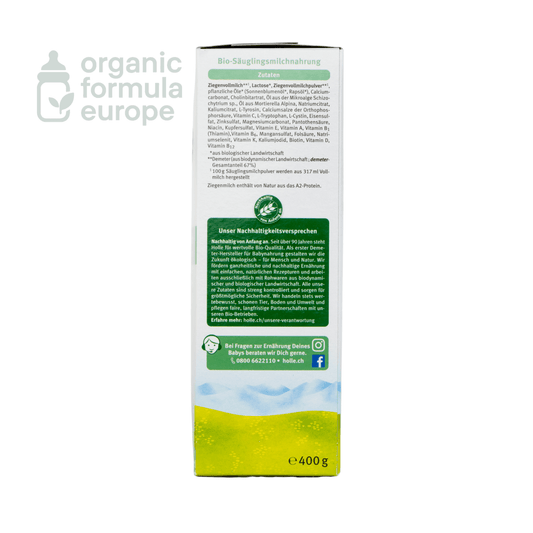
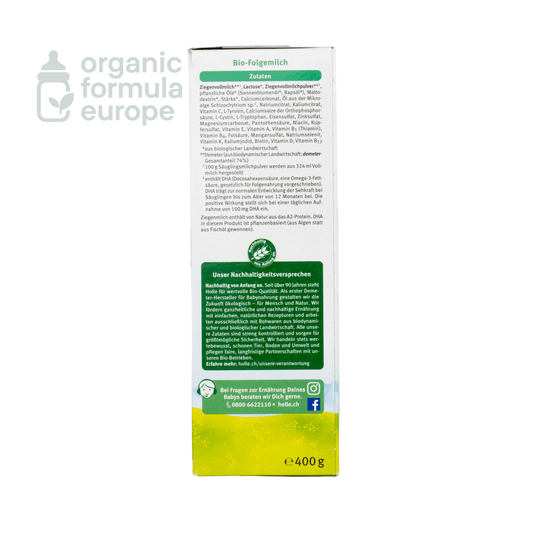
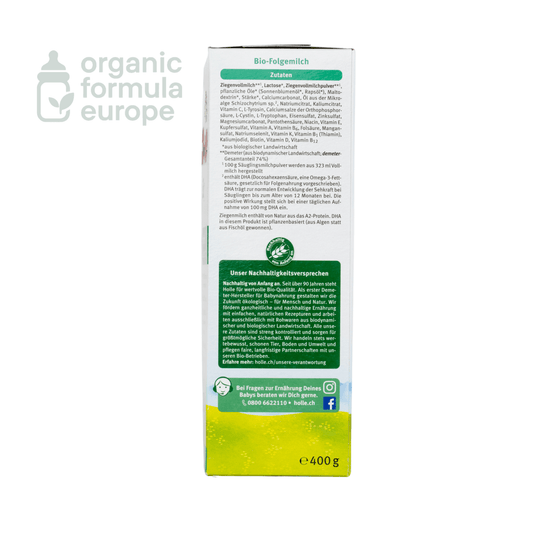
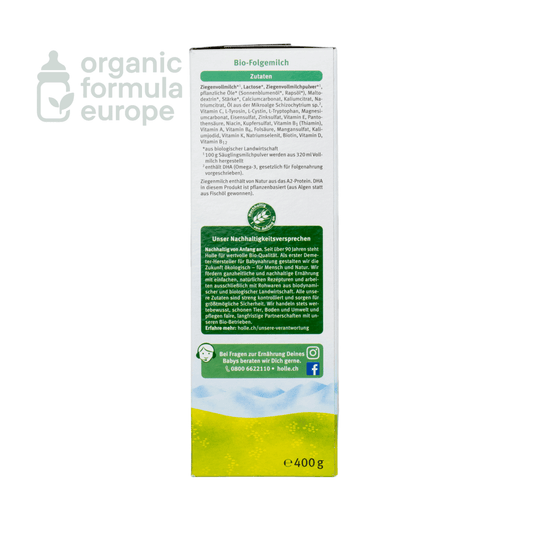
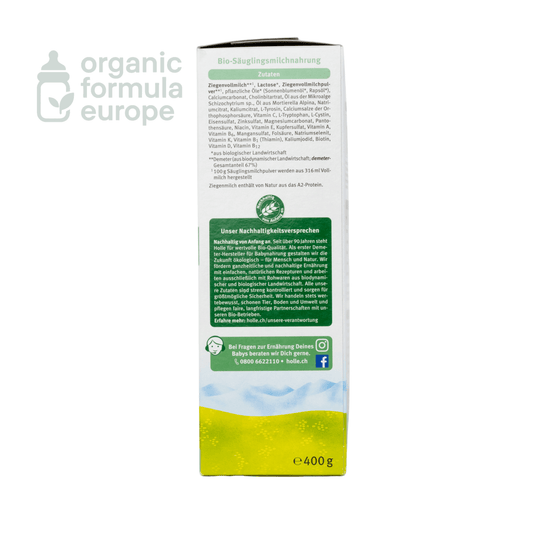
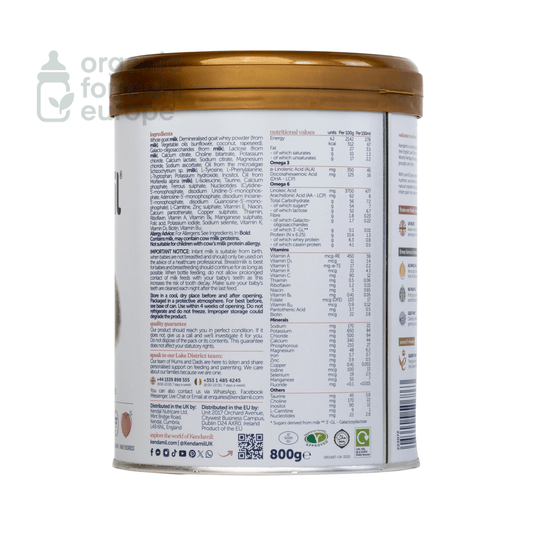
HiPP, Holle, and Kendamil each bring a distinct approach to caprine milk formula. HiPP goat milk formula carries EU organic certification and includes a prebiotic blend. Holle goat milk formula is Demeter biodynamic certified with a minimal ingredient list. Kendamil goat milk formula uses whole goat milk and no palm oil.
Organic Formula Europe ships authentic European goat milk formula directly to the United States from verified suppliers. Every order is carefully packed to arrive fresh and intact, with no gray market sourcing.
Frequently Asked Questions
What is goat milk formula
Goat milk formula is an infant formula that uses caprine milk as its protein and fat base instead of cow milk. It is naturally higher in A2 beta-casein and has smaller fat globules, which some parents find easier on their baby's digestion. European certified organic versions are produced under strict EU standards with no GMOs or synthetic pesticides.
Is goat milk formula good for newborns
Yes, goat milk Stage Pre and Stage 1 formulas from brands like HiPP and Holle are designed for use from birth. Always check that the formula stage matches your baby's age and speak with your pediatrician before switching or starting any formula.
Can babies with cow's milk allergy use goat milk formula
Not necessarily. Goat milk is not hypoallergenic, and babies with a diagnosed cow milk protein allergy may still react to goat milk proteins. You must consult your pediatrician or allergist before making that switch, as cross-reactivity is a real concern.
What are the disadvantages of goat milk formula
The main disadvantages are higher cost compared to standard cow milk formula and less availability in US stores. It is also not suitable for babies with a diagnosed cow milk protein allergy without a doctor's guidance, and the research base is smaller than for cow milk formula.
Which European brands make goat milk formula
HiPP, Holle, and Kendamil all make certified organic or premium goat milk formulas. HiPP is a German family-owned brand founded in 1899. Holle was founded in 1933 and also holds Demeter biodynamic certification. Kendamil is a British brand known for its whole milk recipe and no palm oil policy.
How is goat milk formula different from cow milk formula
Goat milk has a naturally different protein structure, smaller fat globules, and higher natural A2 beta-casein content compared to standard cow milk. The whey-to-casein ratio also differs. Cow milk formula is more widely available, has a larger body of long-term research, and is generally recommended first for healthy newborns.
Do you ship goat milk formula to the US
Yes. Organic Formula Europe sources authentic European goat milk formula directly from verified suppliers and ships to the United States. Every order is carefully packed to arrive fresh and intact, with no gray market sourcing.
Which stage goat milk formula should I choose
Stage 1 or Pre is for newborns from birth, Stage 2 starts around six months, Stage 3 around ten to twelve months, and toddler formulas for twelve months and up. Your pediatrician can help confirm the right stage for your child's age and development.
European Baby Formula Brands
-

HiPP Formula
HiPP Formula, Organic European Infant Nutrition from Birth to Toddler For more...
-

Holle Formula
Confused About Holle Formula? Start Here There’s no shortage of options when...
-

Kendamil Formula
Kendamil Formula, British Whole Milk Infant Nutrition Choosing the right formula is...


