


Formula for Baby












Formula for Baby: European Organic Options Explained
Choosing a formula for your baby is one of the most thoughtful decisions a new parent will make, especially when considering options that include prebiotics, probiotics, and carefully sourced organic milk.
With so many options available today, it can feel overwhelming to know where to start. European organic formulas have earned a loyal following among parents who want to feel confident about every single ingredient in the tin.
Produced under some of the most stringent organic farming standards in the world, these formulas reflect a philosophy rooted in natural ingredients, transparent sourcing, and a deep respect for the earliest stage of a baby's life.
Organic farming in Europe prohibits synthetic pesticides, artificial fertilizers, and genetically modified organisms. This means the milk at the heart of each formula comes from cows or goats raised on certified organic pastures, given space to graze naturally, and cared for in ways that prioritize animal welfare.
For parents who care deeply about what goes into their baby's bottle, this foundation makes all the difference. At Organic Formula Europe, we have curated a thoughtful selection of formulas from Europe's most trusted brands so every parent can find exactly what their baby needs at every stage of growth.
What Makes the Best Formula for Baby
There is no single formula that is universally perfect for every baby, because every baby is wonderfully unique. That said, there are clear quality markers that distinguish a genuinely excellent formula from an ordinary one.
When evaluating the best formula for your baby, it helps to look beyond the label and understand what truly defines quality.
Ingredient Transparency and Organic Certification
The most reassuring formulas carry certified organic status, meaning every ingredient has been independently verified to meet organic standards. Beyond the milk base, high-quality European formulas avoid unnecessary additives, artificial sweeteners, synthetic preservatives, and corn syrup.
Instead, they rely on naturally occurring carbohydrates like lactose (the same sugar found in breast milk) as the primary energy source. Vegetable oils like organic palm oil, rapeseed and sunflower oil are selected carefully for their fatty acid profiles, and additional nutrients such as iron, calcium, and vitamins are included to meet regulatory standards for complete infant nutrition. Be aware that ingredients can differ from formula to formula and brand to brand.
Only some formulas like specialized formulas (HiPP HA, Comfort and Anti-Reflux) are not organic because organic hydrolysed/medical ingredients are unavailable. Kendamil also offers a non-organic line alongside their fully organic formula line.
Cow Milk and Goat Milk Formula Options
European formulas come in a variety of milk bases to suit different families. Cow milk formulas remain the most widely used and are available across all stages of development.
For families who prefer an alternative, goat milk formula offers a naturally distinct protein structure (with A2 casein as the predominant beta-casein type) and has become increasingly popular as a gentle option. Both types meet the same nutritional requirements and are subject to the same rigorous European quality standards.
Babies who spit up frequently may be considered for an Anti-Reflux formula (thickened with locust bean gum) after discussing this with a pediatrician. Comfort formula uses partially hydrolyzed protein and an adapted carbohydrate profile for general digestive comfort or when your baby has colics.
Families with a history of milk protein sensitivities may decide that a hypoallergenic baby formula is the best option. However, it is not a suitable choice for babies who have been diagnosed with a cow milk protein allergy. Discuss your concerns with your baby's pediatrician before making final formula decisions.
European Formula Stages Explained
One aspect of European baby formula that often surprises new parents is the stage system. Rather than offering one formula from birth through toddlerhood, European brands divide their ranges into clearly defined stages corresponding to a baby's changing nutritional needs.
Pre and Stage 1 formulas are designed for newborns and are suitable from birth. They typically contain the highest whey-to-casein ratio, which mirrors the protein composition of early breast milk and supports easy digestion in the first weeks of life.
As babies grow into the second half of their first year, Formula Stage 2 options provide a slightly adjusted nutrient profile to match a more active, rapidly developing infant. From twelve months onward, toddler formulas offer continued nutritional support alongside an increasingly varied diet.
Understanding which stage is right for your baby makes the selection process far less daunting. If you are ever unsure, a simple conversation with your pediatrician can help you match the right formula to your baby's current development.
How Much Formula to Feed Your Baby
One of the most common questions new parents ask is how much formula their baby actually needs. It is completely natural to wonder whether your little one is getting enough, and the reassuring truth is that babies are remarkably good at communicating their hunger and fullness when given the chance.
General Feeding Guidelines by Age
In the earliest weeks, newborns typically feed every two to three hours and consume relatively small volumes per feeding. As babies grow and their stomach capacity increases, feeding intervals naturally lengthen and the amount per feed gradually increases as well.
Whether you are relying solely on formula or combining it with breastfeeding, a helpful general principle is to observe your baby's hunger cues rather than strictly watching the clock. A baby who is feeding well will appear satisfied after feeds, produce regular wet diapers, and gain weight steadily — the most reliable signs your baby is receiving the nourishment they need.
Every baby is different. Growth spurts can temporarily increase hunger, and some babies simply have larger or smaller appetites than average. Trusting your instincts, combined with regular check-ins with your pediatrician, will always be your best guide when navigating how much formula your baby needs.
Cold Formula: Safety and Temperature Guidelines
Many new parents wonder whether cold formula is safe to feed their babies, particularly at night when warming a bottle feels like one step too many. The reassuring answer is that formula temperature is largely a matter of parent preference rather than a nutritional concern, once it has already beens safely prepared and cooled down. Always follow the preparation instructions on the formula packaging and consult reputable health authorities, such as the WHO or CDC, for additional guidance on safe formula preparation and storage. Recommendations may vary depending on your location, water quality, and your baby's individual circumstances, so it is always a good idea to discuss any questions with your pediatrician.
Baby formula does not need to be warmed to be safe or nutritionally complete. Many babies accept room temperature or even slightly cool formula without any issue. That said, some babies develop a clear preference for warm formula early on and may be reluctant to accept a cold bottle. In general, babies will adapt to what you consistently feed them. If your baby is content with formula served at room temperature, there is absolutely no need to warm it.
When warming formula, always avoid using a microwave, as this can create uneven hot spots that are difficult to detect. A bottle warmer or a bowl of warm water works well and allows for gentle, even heating. Always test the temperature on your wrist before feeding.
One important note: Once formula has been prepared and warmed, it should not be left at room temperature for extended periods. Prepared formula should be used promptly or stored in the refrigerator and used within the recommended timeframe stated on the packaging.
Trusted European Formula Brands for Baby
The European organic formula market is anchored by a handful of brands that have spent decades earning the trust of families across the world. Each brings its own approach to ingredients, sourcing, and formula philosophy, but all share a commitment to organic quality and infant nutrition.
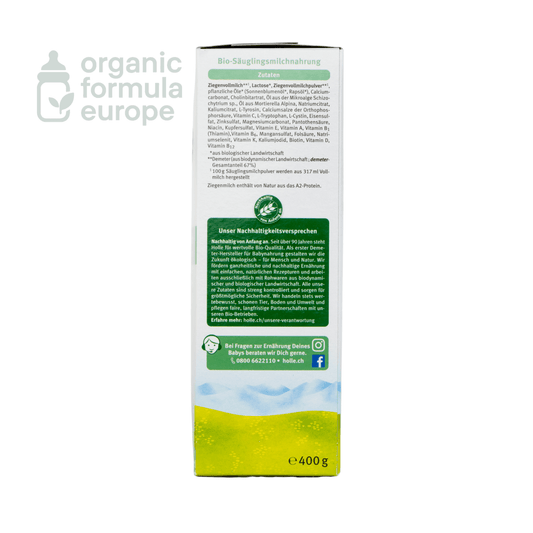
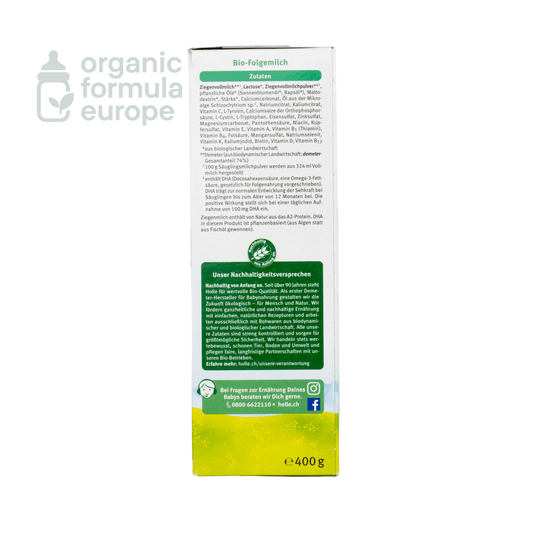
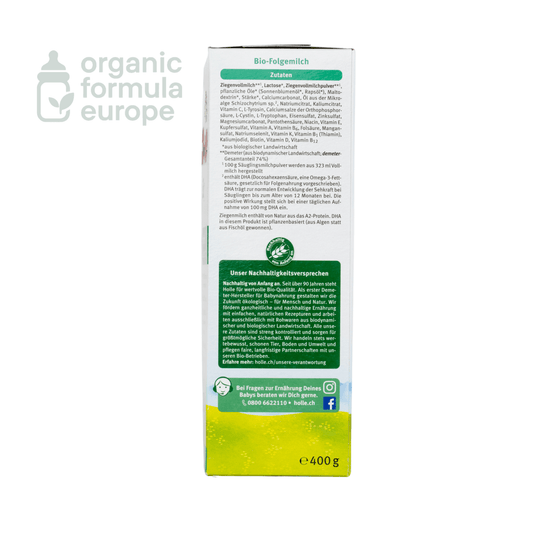
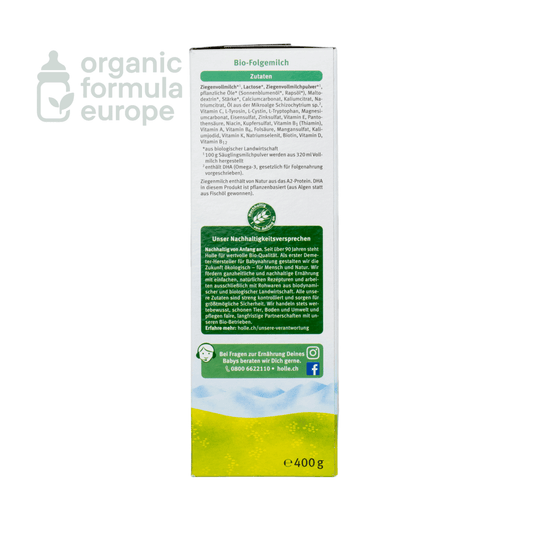
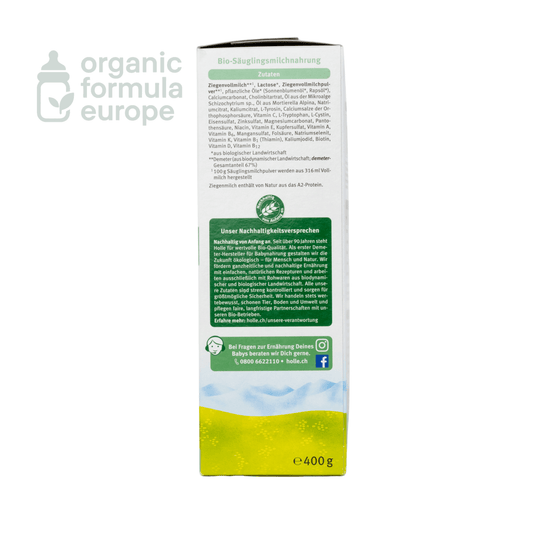
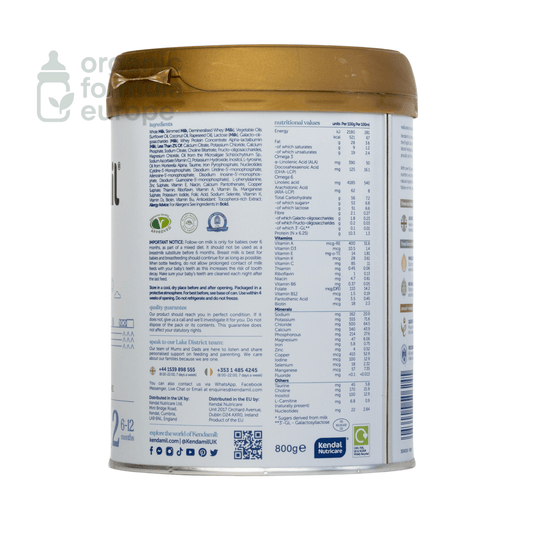
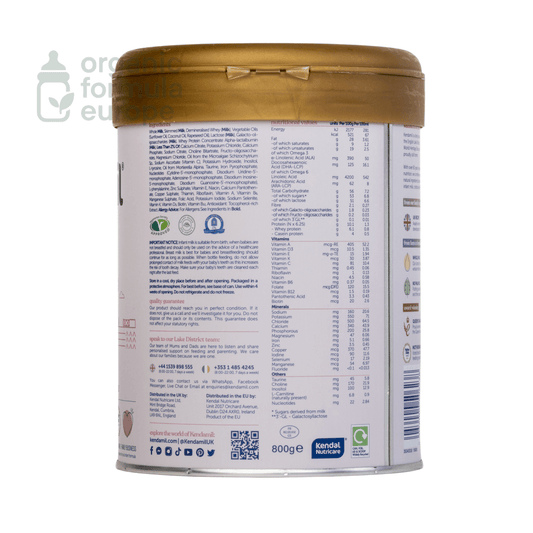
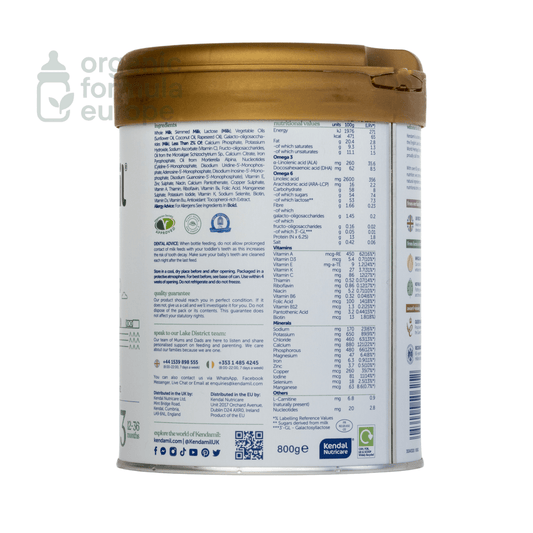
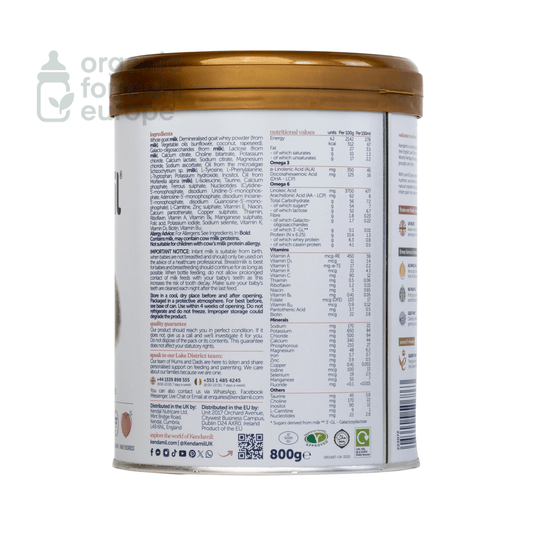
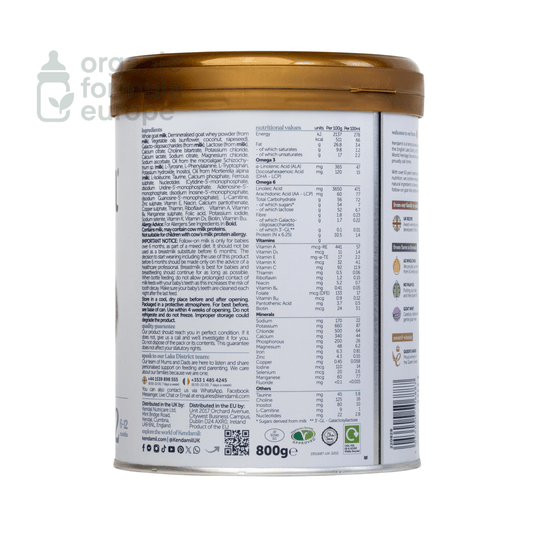
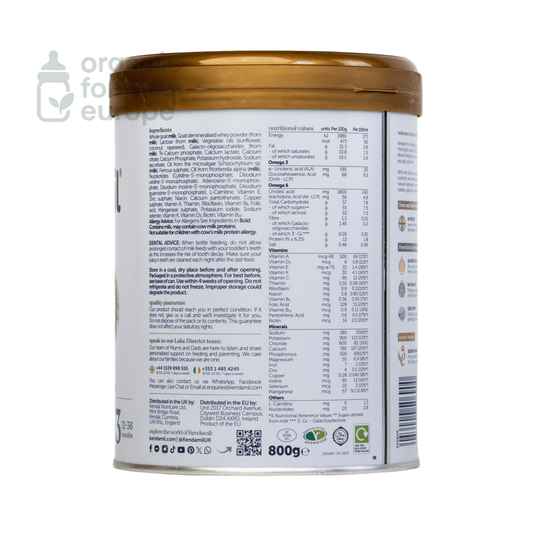
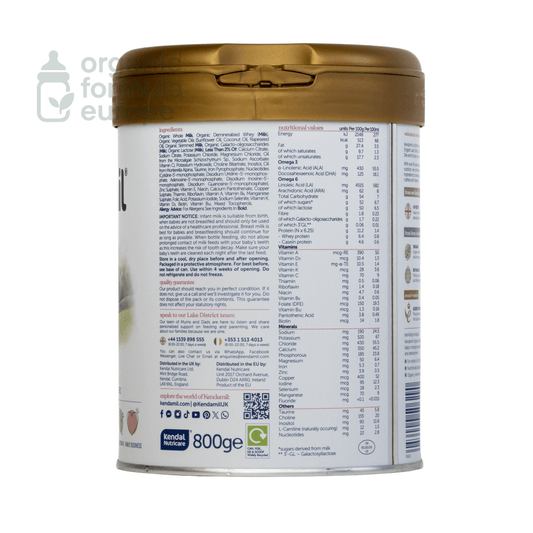
HiPP is one of the most recognized names in European organic infant nutrition, with a heritage spanning generations. Their formulas are known for their organic milk base, careful formulation across all stages, and inclusion of prebiotic GOS ingredients to support digestion. The HiPP Combiotic range also includes a naturally occurring lactic acid culture. Holle brings an approach rooted in Demeter biodynamic farming, representing one of the highest standards of organic agriculture available. Kendamil, crafted in the Lake District of England, is the only British brand to produce formula entirely within the UK using full-cream whole milk, ensuring a naturally richer nutritional starting point.
If you are looking specifically for a gentle option from the very beginning of life, HiPP Pre Formula is a widely respected choice among parents of newborns, enriched with prebiotic GOS.
Frequently Asked Questions
What is the best organic infant formula from Europe for my baby?
The best formula for your baby depends on your little one's individual needs and your family's preferences. European brands like HiPP, Holle, and Kendamil are among the most trusted options, each offering certified organic ingredients and a clear stage-based system designed to support babies from birth through toddlerhood. We recommend thoroughly exploring each brand's range and, when in doubt, consulting your pediatrician to find the right match.
How much formula does a newborn need per day?
Newborns generally feed every two to three hours and consume small amounts per feeding, gradually increasing as they grow. There is no single number that applies to every baby, as appetite varies naturally. The clearest signs your baby is getting enough are regular wet diapers, steady weight gain, and a baby who is generally content after feedings. Your pediatrician is the best person to guide you on specific amounts.
Is it safe to feed your baby cold formula?
Feeding cold formula is generally considered safe. Baby formula does not need to be warmed to be nutritionally complete. Some babies are perfectly happy with room temperature or slightly cool formula, while others prefer it warm. If you do choose to warm formula, avoid a microwave and always test the temperature before feeding.
What do the formula stage numbers on European baby formula packaging mean?
European baby formula is divided into stages corresponding to your baby's age and nutritional development. Stage 1 or Pre formulas are designed for newborns from birth. Stage 2 formulas are tailored for babies from around six months. Stages 3 and 4 support toddlers from ten or twelve months (depending on the brand and formula line) and up as they shift to a varied diet of solid foods. The European staged approach makes it straightforward to select age-appropriate nutrition at each phase of development.
Why are many American parents choosing European organic formula?
Many parents in the United States are drawn to European organic formula because of transparent ingredient standards and strict organic certification. The European organic formulas do not contain synthetic pesticides, GMOs, or artificial additives, and they are produced under consistent regulatory oversight. European guidelines and standards are much higher than those in other countries. For parents who want to feel fully informed and confident about what their baby is consuming, the ingredient clarity of European organic formulas is a meaningful reassurance.
Can I switch my baby's European formula between brands or stages?
Switching formulas is generally possible, though it is always wise to make any change gradually and monitor your baby's response over a few days. If you are considering switching brands, stages, or formula types, speaking with your pediatrician beforehand is the most thoughtful approach, particularly for younger babies or those with sensitive tummies.
European Baby Formula Brands
-

HiPP Formula
HiPP Formula, Organic European Infant Nutrition from Birth to Toddler For more...
-

Holle Formula
Confused About Holle Formula? Start Here There’s no shortage of options when...
-

Kendamil Formula
Kendamil Formula, British Whole Milk Infant Nutrition Choosing the right formula is...


