HiPP Formula Ingredients
-
HiPP Organic Baby Formula - Stage 1
Regular price From $163.96Sale price From $163.96 Regular priceUnit price perin stock -
HiPP Dutch Organic Formula - Stage 4
Regular price From $149.97Sale price From $149.97 Regular priceUnit price perin stock -
HiPP Organic Baby Formula - Stage Pre
Regular price From $163.96Sale price From $163.96 Regular priceUnit price perin stock -
HiPP Organic Baby Formula - Stage 3
Regular price From $163.96Sale price From $163.96 Regular priceUnit price perin stock -
HiPP Organic Baby Formula - Stage 2
Regular price From $163.96Sale price From $163.96 Regular priceUnit price perin stock -
HiPP HA Formula - Stage Pre
Regular price From $173.96Sale price From $173.96 Regular priceUnit price perin stock -
HiPP HA Formula - Stage 2
Regular price From $173.96Sale price From $173.96 Regular priceUnit price perin stock -
HiPP HA Formula - Stage 1
Regular price From $173.96Sale price From $173.96 Regular priceUnit price perin stock -
HiPP Dutch Organic Formula - Stage 3
Regular price From $149.97Sale price From $149.97 Regular priceUnit price perin stock -
HiPP Dutch Organic Formula - Stage 2
Regular price From $149.97Sale price From $149.97 Regular priceUnit price perin stock -
HiPP Dutch Organic Formula - Stage 1
Regular price From $149.97Sale price From $149.97 Regular priceUnit price perin stock -
HiPP Dutch Hypoallergenic Formula - Stage 1
Regular price From $200.97Sale price From $200.97 Regular priceUnit price perin stock

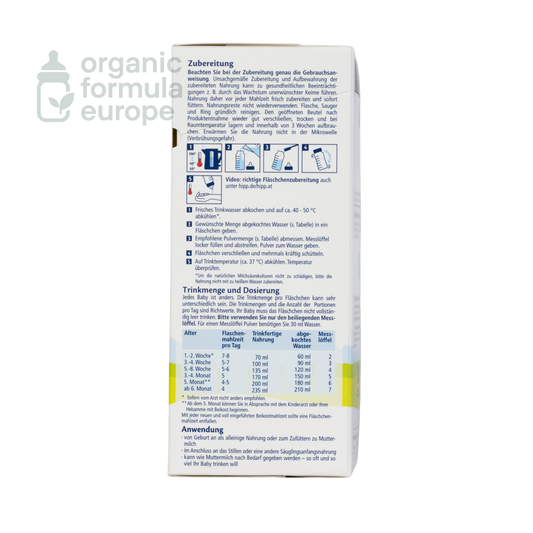

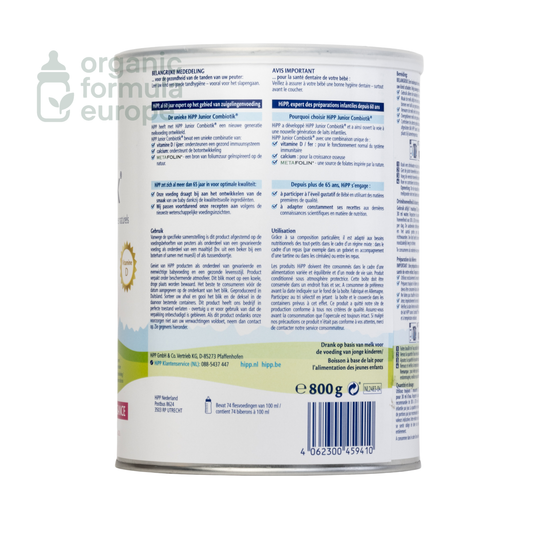

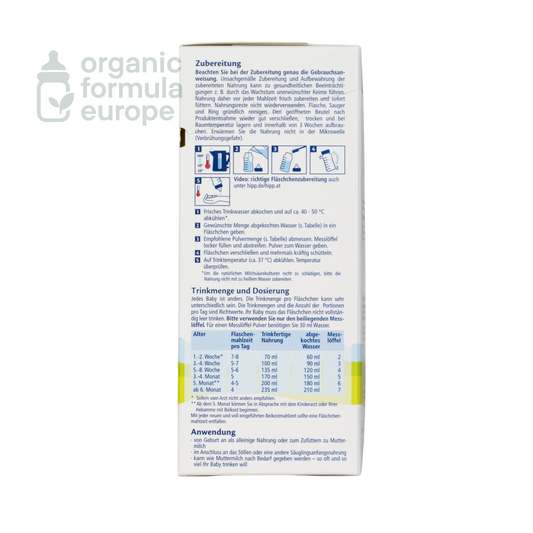









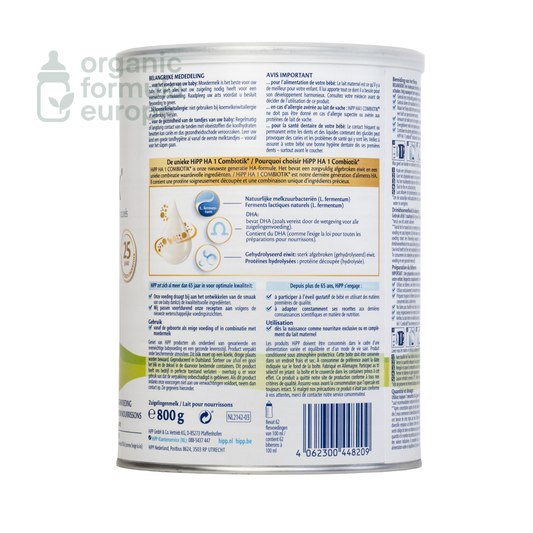
What Every Parent Needs to Know About HiPP Baby Formula Ingredients, Organic Milk Sourcing, European Standards for Infant Nutrition, and the German Baby Formula Company’s Commitment to Transparency
As a new mom or dad, reading through a formula ingredient list can feel overwhelming and confusing. Long words, unfamiliar names, impossible pronunciations, and a seemingly endless list of nutrients can make it difficult to know what, exactly, your baby is truly getting in every scoop of powder formula. The good news is HiPP, a family-owned company that has been crafting European infant formula from its base in Germany for decades, has a company philosophy rooted in transparency and the use of organic ingredients. That’s one of the reasons why HiPP has a reputation as one of Europe’s leading producers of baby formulas and a pioneer in sustainable organic farming practices. Their nutritional experts have developed a line of baby formulas that satisfy the ever-evolving nutritional needs of infants from birth through the toddler years, including stage PRE and stage 2 options. This guide walks you through exactly what goes into HiPP baby formula in plain, clear language so that new parents like you can feel confident, reassured, and informed when choosing the right baby formula for your little one.
If you are exploring Baby Formulas from Europe for the first time, you will quickly find that HiPP is one of the most trusted names in the industry, and understanding what makes HiPP different begins with understanding goes into each tin.
Every HiPP Formula Recipe Begins with Milk, Ethically Sourced from EU Certified Organic Farms with a Commitment to Sustainability and Ethical Animal Care
At the heart of all standard HiPP formulas is organically sourced milk, typically from cows, although HiPP does have a line of goat milk formulas. The animals are raised on certified farms that follow strict European organic farming practices to ensure the integrity of HiPP bio products. These farms operate without the use of synthetic pesticides, artificial fertilizers, or genetically modified crops, ensuring the integrity of HiPP organic baby formula. The cows graze on open meadows and are fed a natural diet of grass, hay, and grain. They do not receive unnecessary antibiotics, which contributes to the overall quality of the milk used in production and supports healthy digestion.
The milk base in most HiPP recipes consists of skimmed milk and a whey fraction, ensuring the highest quality for infants. Whey is a byproduct of the cheesemaking process – it is the liquid remaining after the milk has been curdled and the cheese curds have been strained out – but don’t let the label ‘byproduct’ alarm you. Whey is nutrient-dense, contains protein, lactose, vitamins, and minerals. The addition of whey to the skimmed cow’s milk results in a protein profile that is easier for young digestive systems to process compared to formulas that rely on a casein-heavy base, helping to prevent digestive issues.
Lactose, the naturally occurring carbohydrate found in milk, is the primary source of carbohydrates across the HiPP umbrellas of formulas. It is the same sugar found in breast milk and provides growing babies with accessible energy throughout the day.
For parents who prefer an alternative to cow's milk protein, the HiPP Goat Milk Formula product range offers infant formulas that replace cow’s milk with organic goat's milk, which has a naturally different protein structure that many families find more suitable for their babies.
Fats and Fatty Acids in HiPP Formula – From PRE Formula and Stage 1 to Stage 3 and Toddler Milk – Come from Sustainably Sourced Vegetable Oils, Including Palm Oil
Fats make up a significant proportion of infant formulas because they are essential for energy and form a key part of the nutritional requirements of babies in the first few years of life. HiPP uses a carefully selected blend of vegetable oils, including palm oil sourced from sustainable certified cultivation, rapeseed oil, and sunflower oil. Together these oils supply a range of fatty acids that form part of the nutritional profile required under European infant formula standards.
DHA and ARA Omega Fatty Acids Are Included in all HiPP Baby Formula, Including Organic Baby Formula and Goat Milk Formula, and All Stages, for Newborns to Toddlers
All HiPP formulas include an omega-3 fatty acid known as DHA, which stands for docosahexaenoic acid. DHA is a mandatory inclusion in all European infant formula recipes and is present in HiPP products in the form of fish oil. It is a long-chain polyunsaturated fatty acid that vital part of infant nutrition as specified under EU guidelines for formula production.
In addition to DHA, HiPP formulas contain an omega-6 fatty acid, ARA (arachidonic acid), sourced from Mortierella alpina oil, a natural fungal oil. Both DHA and ARA fatty acids are standard components in European formulas and are included across the entire HiPP range to meet the nutritional requirements set out for infant formula sold in Europe.
Prebiotics and Probiotics Are Key Ingredients to What Makes HiPP Combiotic an Ideal Choice for Improved Infant Gut Health and Overall Digestion
HiPP infant formula includes both prebiotics and probiotics in many of its recipes, a combination that gives the HiPP Combiotic formulas its distinctive name and aids in digestion, similar to the benefits of breastmilk.
The prebiotics used in HiPP formulas are galactooligosaccharides, commonly referred to as GOS. These prebiotics are a form of dietary fiber derived from lactose found naturally in human breast milk. In baby formula, GOS serve as a nutritional component that supports the balance of the gut environment in babies. GOS can be found in the majority of HiPP’s standard baby formula recipes, including those labeled as HiPP organic baby formula.
Probiotics Derived from a Unique Strain to Support Infant Gut Health
In addition to the GOS prebiotic, HiPP Combiotic formula included probiotics. The specific probiotic used in HiPP Combiotic formulas is a strain of lactic acid bacteria known as Limosilactobacillus fermentum CECT5716, which HiPP markets under the name Limosilactobacillus fermentum hereditum. This particular strain was originally identified in breast milk making it an important addition to a formula designed to align with the profile of natural infant nutrition. It is a live bacterial culture added to support the natural microbial environment of the infant gut.
It is worth noting that not every HiPP product includes probiotics. Specialty recipes, such as HiPP Comfort Formula, which is formulated with partially hydrolyzed proteins and reduced lactose, may have a different ingredient profile tailored to its specific purpose. Always review the product label for the exact formulation, especially to check for organic ingredients and suitability for different stages of development.
HiPP HA Formula Ingredients Are Scientifically Formulated for Babies with Milk Protein Sensitivities
HiPP HA, short for hypoallergenic, is one of the most popular subcategories of HiPP specialty baby formula. The HA formula recipe features hydrolyzed whey protein base, meaning the milk proteins have been broken down into smaller fragments. This process changes the structural form of the protein, which is the defining characteristic of hypoallergenic infant formula under European standards.
HiPP HA formula ingredients include lactose as the primary carbohydrate, the same blend of vegetable oils found in the standard range, GOS prebiotics, DHA from fish oil, ARA from Mortierella alpina oil, and all the vitamins and minerals required for a complete infant formula, as per European Union standards. The probiotic strain Limosilactobacillus fermentum hereditum is also present in the HiPP HA recipes, maintaining the Combiotic character of the line.
Families considering HiPP HA should know that this HiPP product is not certified organic. This is because the current process of creating hydrolyzed organic milk protein does not currently meet the technical standards required to earn the organic certification. However, the products are produced to HiPP's own strict quality criteria and are free from GMOs, added sugars beyond those naturally present, and unnecessary artificial additives.
Parents who are interested in exploring this range can browse the full HiPP Hypoallergenic Formula collection for a complete overview of available stages and versions.
Essential Vitamins, Minerals, and Supporting Nutrients in all HiPP Baby Formulas Align with the Strict EU Regulations
Every HiPP formula, regardless of the specific product or recipe, is fortified with a comprehensive range of vitamins and minerals to meet European standards for complete infant nutrition. These include vitamins A, B1, B2, B6, B12, C, D, E, and K, alongside biotin, niacin, pantothenic acid, and inositol. Minerals in the formula include calcium, iron, zinc, magnesium, copper, manganese, and iodine, all of which are part of the regulated nutritional framework for infant formula in Europe.
One ingredient that stands out in HiPP formulas is calcium L-methylfolate, a form of folate that is designated on product labels under the trade name Metafolin. This is an alternative form of folic acid that is naturally present in some foods and is used in HiPP formulas as the folate source in the company’s baby formula recipes. Choline is also included as a standard addition to contribute to the overall nutritional completeness of each formula in the HiPP line of products.
The full vitamin and mineral matrix in HiPP baby formula ingredients is structured to comply with the comprehensive nutritional requirements that European infant formula must meet before it can be sold anywhere in the EU. The differences in nutritional value of European infant formula brands when compared to domestic US formulas – and the high standards of the European Union – are key reasons many American parents seek baby formula from Europe in the first place. They quickly discover HiPP, a family-owned company based in Germany, is a reliable choice they can trust. As always, it is a good idea to speak with your pediatrician before making any changes to your baby's feeding routine.
HiPP German and HiPP Dutch Formula Ingredients Are Specifically Tailored for Different Regions
HiPP produces formulas for several regional markets, and the ingredient lists can vary slightly between versions. This is an important point for parents who have researched HiPP formula ingredients in English and may be comparing tins purchased from different countries, including Germany and the Netherlands.
The German HiPP range and the Dutch HiPP range are both produced to European standards but may use slightly different carbohydrate sources, protein ratios, or additive profiles depending on the recipe version and stage. For example, some stage-specific recipes include starch as an additional carbohydrate source alongside lactose, while others rely on lactose exclusively, similar to the composition of breastmilk. These differences are intentional and reflect the changing nutritional needs of infants at different developmental stages.
HiPP German Formula is one of the most sought-after versions among parents who value the heritage and sourcing traditions associated with German organic production. Each version of HiPP baby formula available at Organic Formula Europe comes directly from European suppliers, ensuring authenticity and freshness in every order, with a focus on the highest quality ingredients.
FAQS About the Ingredients in HiPP Baby Formulas from Europe, One of the Most Trusted Infant Formula Brands
What are the main ingredients in HiPP formula?
HiPP formula starts with a base of organically sourced skimmed milk and whey, combined with a blend of vegetable oils including palm, rapeseed, and sunflower oil. The primary carbohydrate is lactose. Most HiPP formulas also include GOS prebiotics, the probiotic strain Limosilactobacillus fermentum hereditum, DHA from fish oil, and the full range of essential vitamins and minerals required under European infant formula standards. The exact ingredient list varies by product, stage, and region, so always check the label of the specific tin you are purchasing.
Are HiPP formula ingredients organic?
The majority of HiPP's standard formula range is produced using organically certified ingredients, including the milk base sourced from organically farmed cows, ensuring peace of mind for parents. However, specialty recipes, such as the HiPP HA hypoallergenic line of infant formulas, are not certified organic because organically sourced hydrolyzed milk protein is not currently available at the standard required for these recipes. All HiPP products, regardless of organic certification status, are produced to strict internal quality controls and are free from GMOs, unnecessary additives, and preservatives, ensuring they meet the standards of European baby formula.
What is the difference between HiPP HA and standard HiPP formula ingredients, and what should I know about each version when choosing the right formula for my baby?
The key difference lies in the protein source. Standard HiPP organic formulas use whole whey and skimmed milk proteins sourced from certified organic farms, while HiPP HA formulas use extensively hydrolyzed whey protein. This means the protein molecules in HA recipes have been broken down into smaller fragments, which makes this hypoallergenic infant formula easier to digest for babies with sensitive digestive systems. The process used to break down the milk proteins is not currently recognized as aligning with organic certification, although the other ingredients meet HiPP internal company standards for quality, ensuring they are high-quality. Both HiPP HA and HiPP standard baby formula recipes share a similar fat profile, prebiotic addition, and vitamin and mineral matrix. If you are considering HiPP HA for your baby, a conversation with your pediatrician is always the recommended first step.
Does HiPP infant formula contain DHA?
Yes, DHA is included in all HiPP infant formulas. It is an omega-3 fatty acid sourced from fish oil and is a mandatory component in all European infant formula recipes as per EU guidelines and regulations. DHA forms part of the long-chain polyunsaturated fatty acid profile in every HiPP product, in every stage – from Pre formulas and Stage 1 formulas for newborns through to Stage 3 and toddler milks – and for every region, such as the German and Dutch markets.
What are HiPP Comfort formula ingredients?
HiPP Comfort is a specialty formula with a distinct ingredient profile compared to the standard organic range. It features partially hydrolyzed milk proteins, which are broken down to a moderate degree, and a reduced lactose content. The carbohydrate sources in this recipe are broader, often including lactose alongside other carbohydrate components. Vegetable oils, vitamins, and minerals are included to meet complete nutritional requirements, making them suitable for breastfeeding infants transitioning to formula. HiPP Comfort is designed as a single-stage formula suitable from birth onward, providing a strong foundation for healthy digestion. As with any specialty formula, it is worth discussing suitability with a healthcare professional before use.
Why do HiPP formula ingredients differ between HiPP German and HiPP Dutch versions?
HiPP produces formulas for different regional markets in Europe, and each version is tailored to meet the nutritional standards and preferences of that market. While both the German and Dutch ranges comply with general European infant formula requirements, each market requires small differences in the carbohydrate profile, protein ratios, or specific additives used. For example, certain stages in one regional range may include starch as an additional carbohydrate, while the equivalent stage in another version may not. At Organic Formula Europe, each product listing includes clear details about the origin country and version, so you always know exactly what you are ordering for your baby.
European Baby Formula Brands
-
-
Holle Formula
Confused About Holle Formula? Start Here There’s no shortage of options when...
-
Kendamil Formula
Kendamil Formula, a European Baby Formula Produced in the United Kingdom, Is...