


Formula for 12 Months and Older










Formula for 12 Months and Older: European Organic Toddler Milk
Your baby's first birthday is a milestone worth celebrating — it also marks a meaningful shift in how they eat, grow, and develop. Even though most toddlers now get the majority of their nutrients from solid foods, many parents choose to continue offering formula as a nutrient-rich complement to mealtimes.
Formula for 12 months and older is carefully designed to address the nutritional needs of this evolving stage, providing a familiar and comforting source of nourishment as your toddler finds their footing in the wider world of food.
At Organic Formula Europe, we understand that this transition raises real questions for parents. That starts with understanding what this stage of formula is, why it exists, and what to look for when selecting an organic formula for your one-year-old.
Stage 3 Toddler Formula vs. Infant Formula: Key Differences
Formula designed for babies 12 months and older, sometimes called Stage 3, toddler milk, or follow-on formula, is formulated with an older baby's changing nutritional needs in mind. These formulas are distinct from newborn or infant stages in their nutrient ratios, energy composition, and additional ingredients.
Stage 1 formula is meant to serve as the sole source of nourishment for young babies, but once your baby passes their first birthday, Stage 3 toddler milk is designed to complement a diet that now includes a wider variety of foods.
European organic formulas are produced under strict organic farming and manufacturing standards. The milk base comes from cows or goats raised on certified organic pastures, free of synthetic pesticides and GMOs in their feed. The result is a toddler formula that parents can feel genuinely confident about.

Stage 3 vs. Stage 4: Understanding the Difference
Different European brands label their toddler-age formulas differently. Some, like HiPP (and Kendamil's Premium range), transition from Stage 3 to a Stage 4 Formula once a child reaches about 18 months.
Other brands produce a single formula covering the full toddler period from 12 months onward. All of these options are formulated with the older baby or toddler in mind, and the differences typically involve adjusted protein levels, energy density, and micronutrient profiles.
Parents should read the age guidelines on the packaging, and your pediatrician can offer personalized advice on which stage suits your child at any given point.
Cow Milk vs. Goat Milk Toddler Formula
Parents continuing toddler milk beyond the first birthday also choose between cow milk and goat milk options. Both certified organic cow milk and goat milk formula can be excellent choices for one-year-olds when produced to European quality standards.
Goat milk formula has a naturally mild taste that many toddlers enjoy, and many parents find it easier to digest. If you have been exploring goat milk toddler formula options, you will find several trusted European brands in our collection.
Why Parents Choose European Organic Toddler Formula
European organic formula carries a reputation built on decades of rigorous quality standards, transparent ingredient sourcing, and careful infant nutrition. For babies 12 months and older, this means formula produced without artificial preservatives, synthetic flavors, or unnecessary additives.
The milk base comes from organically certified farms, and the manufacturing process is subject to independent quality controls.
One of the most appreciated aspects of European formula at this stage is the clarity of the ingredient list. Parents who care about what goes into their toddler's body can read through the components with confidence.
Vitamins and minerals are included to round out what a toddler-aged diet may not yet fully cover, such as iron, calcium, and key fat-soluble nutrients, all of which play important roles in supporting a growing child's everyday wellbeing.
HiPP, Holle, and Kendamil: Toddler Formula for 12 Months and Up
At Organic Formula Europe, we carry formulas for 12 months and older from three of the most established European baby nutrition brands.
Each brand brings its own philosophy and heritage, and parents often find one that resonates particularly well with their values and their child's preferences, whether they prefer bio or goat milk options.
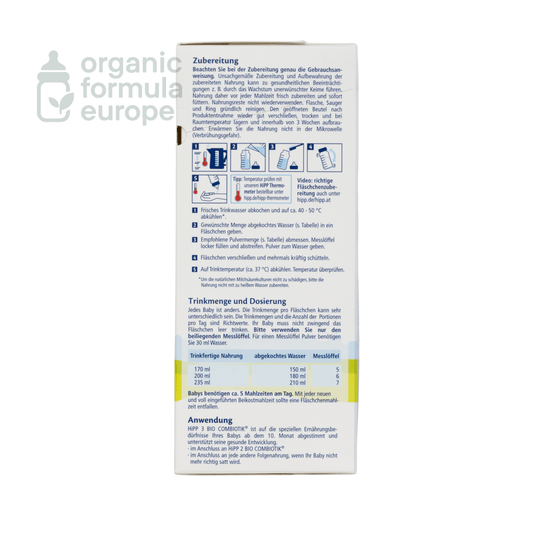
HiPP, a family-run company based in Germany, has decades of expertise in organic infant and toddler nutrition. Their toddler milk, beginning at age 12 months, reflects the same commitment to organic quality found across all of their products. If you are already familiar with HiPP's earlier stages, exploring HiPP Toddler Formula is a natural next step.
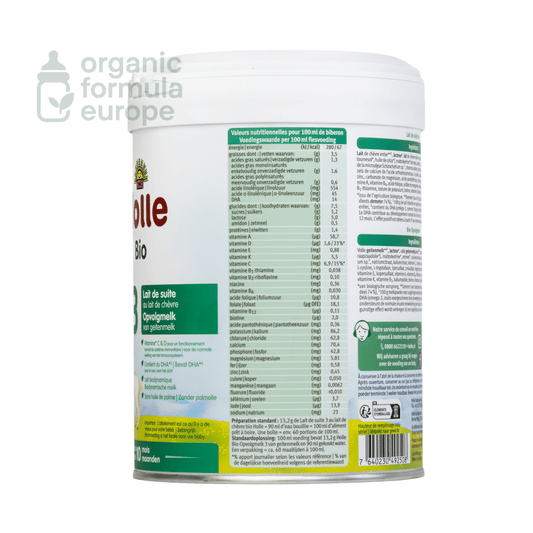
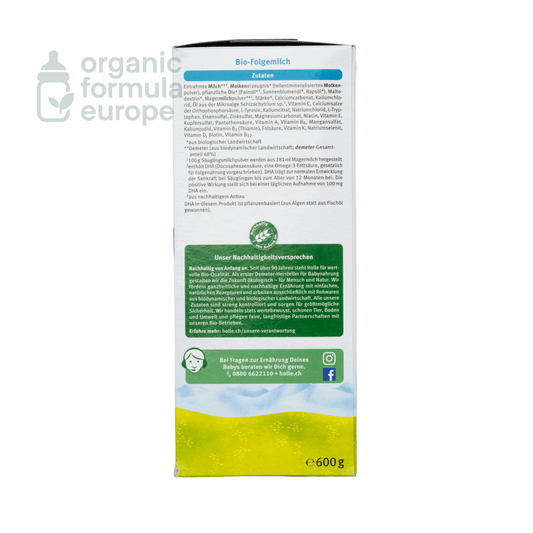
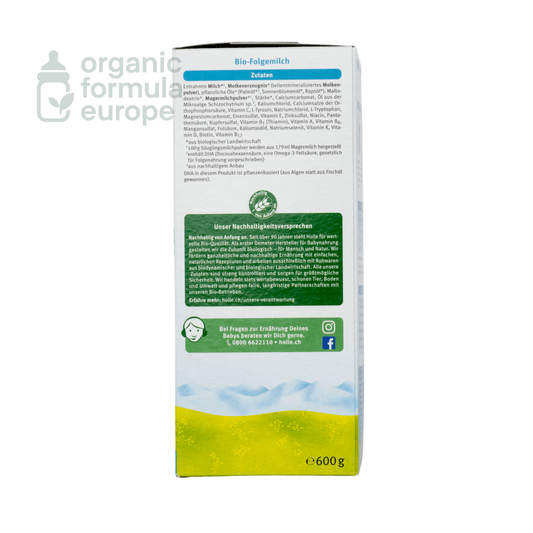
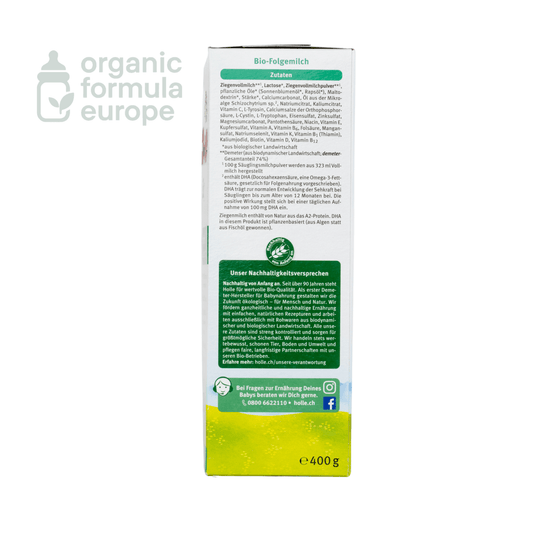
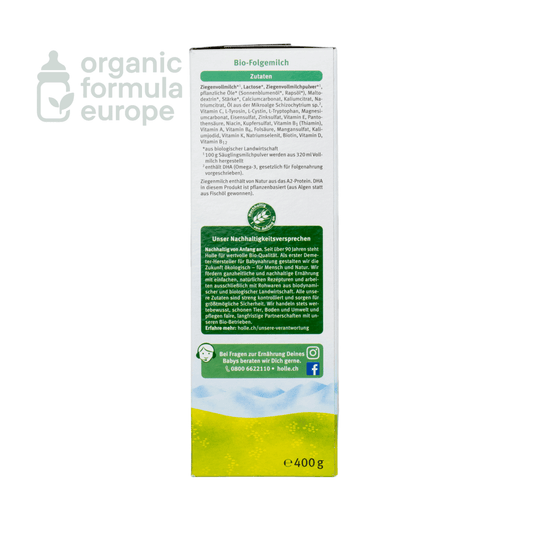
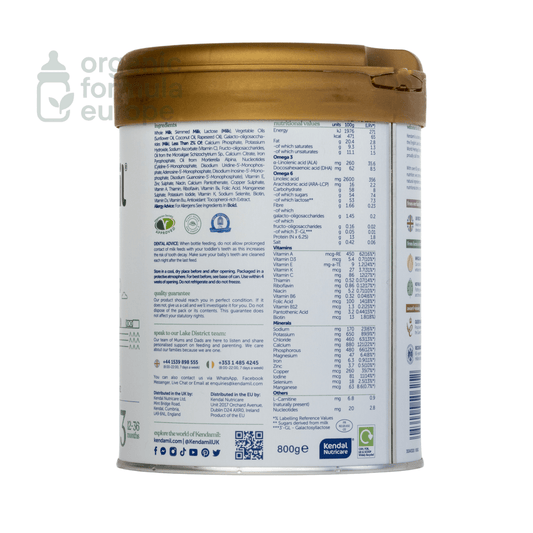
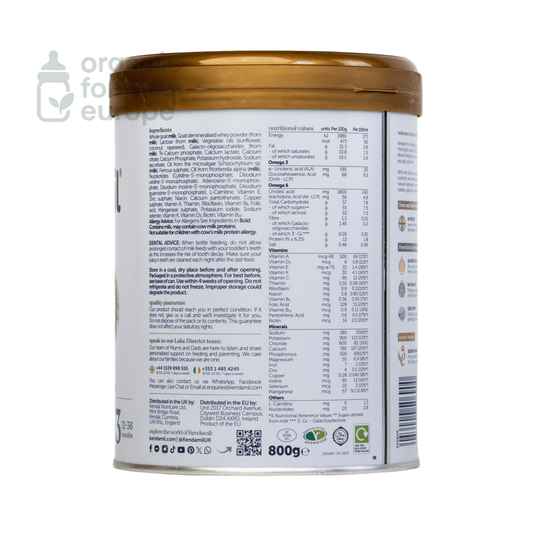
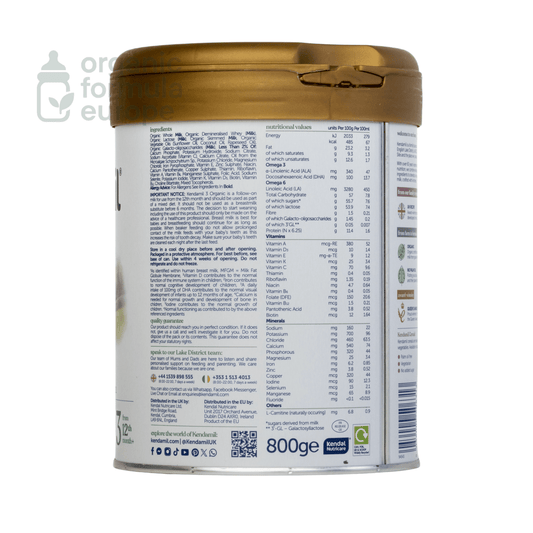
Holle is a pioneer in certified biodynamic and organic farming. Their toddler formula prioritizes both the environment and the child. Kendamil, a British heritage brand, produces a premium toddler formula using whole milk, a clean ingredient list, and no palm oil or corn syrup.
All three brands produce powdered formulas for toddlers that are free from GMO ingredients and developed with the support of pediatric nutrition experts, with certified organic options available across the range.
Fitting Toddler Formula into Your Child's Daily Routine
By the time a child reaches 12 months, formula is no longer the only source of nourishment, solid foods now take center stage, while milk, including toddler formula, moves into a supporting role.
Stage 3 toddler milk can be offered as part of a morning routine, before naps, or as part of a bedtime ritual. There is no single right way to incorporate it, and many parents find their toddler naturally guides how much they want each day.
It is worth noting that toddler formula at this stage is not a replacement for a varied and balanced diet. Instead, it works alongside the foods your child is discovering, providing a convenient milk-based source of nutrition on days when eating is unpredictable. Which, as any parent of a one-year-old knows, is more often than not.
How to Choose a Stage 3 Formula for Your Toddler
A few thoughtful considerations can make the decision feel much more manageable.
First, look for the certified organic symbol on the packaging. Organic certification from a recognized European authority indicates the formula meets defined standards for ingredient sourcing and production. Biodynamic certification, as carried by some Holle products, goes a step further in its environmental and farming philosophy.
Second, consider the type of milk used. Whether you prefer cow's milk or goat milk formula is often a matter of personal preference or family history. Some toddlers show a preference in taste or digestive comfort with goat milk formula, and your pediatrician can help you navigate this.
Third, read the ingredient list. A well-composed Stage 3 formula should list a milk source as its primary ingredient, followed by carefully chosen vegetable oils, vitamins, and minerals. A clear, concise ingredient list free from unnecessary additives is always a reassuring sign.
Finally, consider the brand's sourcing transparency and track record. European brands with decades of history in infant and toddler nutrition tend to be more forthcoming about where their ingredients come from and how their products are made.
You may also want to explore our Kendamil Toddler Formula, Kendamil Stage 3 USA, and Organic Formula Shop collections.
Frequently Asked Questions
What is formula for 12 months and older?
Formula for 12 months and older, sometimes called Stage 3 or toddler formula, is a milk-based nutritional product designed for children who have moved beyond the infant stage and are now eating solid foods alongside milk. It complements a growing toddler's diet rather than serving as their sole source of nutrition, and is produced to different specifications than formula made for younger babies.
Can my toddler still have formula after turning one?
Many parents choose to continue offering formula after their child's first birthday, and this is a perfectly reasonable choice. Formula for 12 months and older can be a helpful complement to a toddler's diet, particularly during the often unpredictable phase of learning to eat a variety of solid foods. As solid food intake increases, the volume of formula typically decreases naturally. Speak with your pediatrician about what approach suits your child's individual needs, especially when considering options like European baby formula.
Are European organic formulas safe for toddlers 12 months and older?
European organic formula is produced under some of the most stringent quality and safety standards in the world. The organic milk used as the base comes from certified farms, and the formulas are developed with the nutritional needs of the relevant age group in mind. All formulas available through Organic Formula Europe are sourced from established European brands with long track records in toddler nutrition, including certified organic lines.
What is the difference between Stage 3 and Stage 4 European baby formulas?
Stage 3 formula is generally designed for toddlers from around 10 to 12 months onward, while Stage 4 is positioned for children typically from 18 months and beyond, depending on the brand. Both are toddler-appropriate and differ from infant formula in their nutrient composition. Some brands use a single formula to cover the full toddler range. Checking the age guidance on your chosen brand's packaging and consulting your pediatrician will help you decide which is the right fit.
Is goat milk formula a good option for toddlers 12 months and older?
Goat milk-based toddler formula is a popular and well-regarded choice. Goat milk formula from European brands is produced to the same high standards as cow milk formula and offers a mild, naturally sweet flavor that many toddlers enjoy. You will find several certified organic choices in our toddler collection.
How much toddler formula should a 12-month-old have per day?
At 12 months and beyond, formula takes on a supporting role alongside solid foods rather than being the primary source of nourishment. The appropriate amount varies from child to child, and general guidance shifts with each stage of development. For personalized feeding advice tailored to your toddler's specific needs and growth, your pediatrician is the best resource.
Why choose European organic formula over conventional options for toddlers?
Organic formula is produced from milk sourced on certified organic farms, meaning the cows or goats are raised without the routine use of synthetic pesticides and in environments that meet defined welfare standards. For parents who prioritize clean, transparent ingredient sourcing and environmentally mindful production, organic formula offers a reassuring choice. European organic standards are widely regarded as among the most thorough available.
European Baby Formula Brands
-

Holle Formula
Confused About Holle Formula? Start Here There’s no shortage of options when...
-

Kendamil Formula
Kendamil Formula, a European Baby Formula Produced in the United Kingdom, Is...


