



Baby Formula for Colic








Baby Formula for Colic
Colic is one of those words that can stop a new parent in their tracks. It typically describes frequent, intense crying in an otherwise healthy, well-fed baby, often following a predictable pattern in the early weeks.
While colic is not caused by a single identifiable problem, many parents find that a formula change can make a noticeable difference in how their baby feels day to day.
A colic formula is not one specific product type. Rather, it describes a range of formulas designed to be easier on a developing digestive system. These include comfort formulas with partially hydrolyzed protein and reduced lactose, as well as gentle organic formulas that skip certain additives found in conventional options.
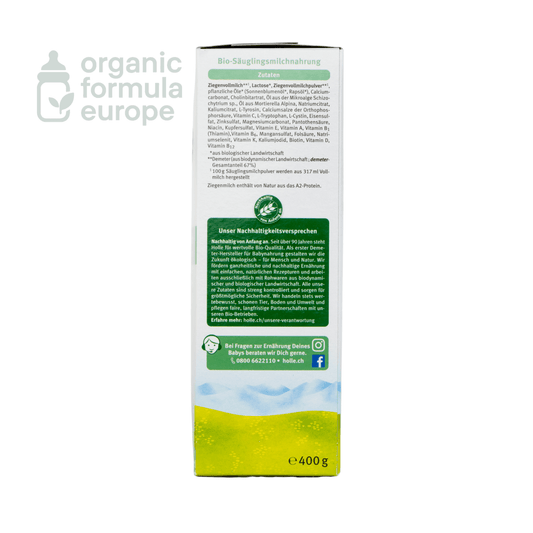
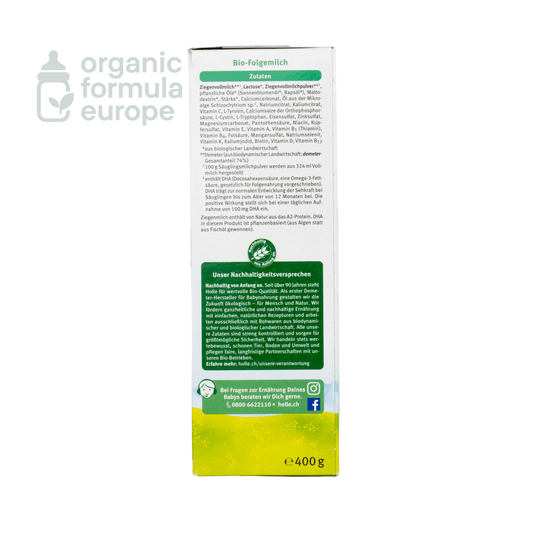
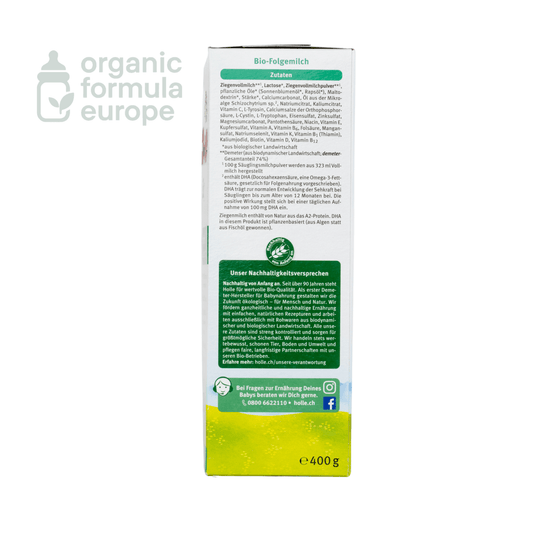
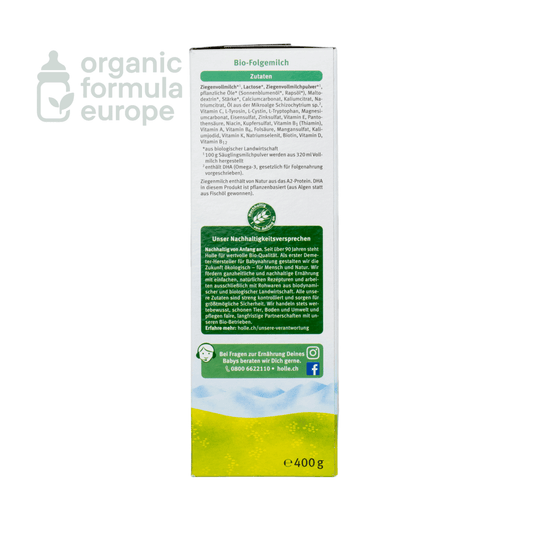
European brands like HiPP and Holle have long focused on clean recipes that parents across Europe and the US have come to trust for sensitive little tummies.
Because the causes of colic are not always clear, it is worth talking to your pediatrician before switching formula. They can help rule out other causes for the crying and point you toward the formula type that makes the most sense for your baby.
Formula for Colicky Babies
When your baby is inconsolable for hours at a stretch, it is natural to look for answers fast. Formula is one of the first things parents consider, and for good reason. A formula that is gentler on the gut can reduce the gas, bloating, and digestive tension that often accompany colic episodes.
Comfort and gentle formulas from European brands use ingredients that a sensitive newborn digestive system can handle more easily.
HiPP Comfort Formula uses partially hydrolyzed protein and reduced lactose to ease digestion, making it one of the most popular choices among parents dealing with colic in the early weeks.
HiPP Comfort is a food for special medical purposes and is not EU-organic certified. Holle and Kendamil formulas are built on EU organic standards that ban synthetic pesticides and GMOs, giving parents confidence in what goes into every scoop.
It is also worth remembering that soothing strategies beyond formula, such as gentle movement, white noise, and skin-to-skin contact, can work alongside a feeding change. Formula is one piece of a larger puzzle, and combining approaches often produces the best results.
Colic Formula Types and What to Look For
There is no single best formula for every colicky baby, because colic itself has more than one contributing factor. Parents and pediatricians often reach for a few specific types first when digestive discomfort seems to be driving the crying.
Comfort formulas with partially hydrolyzed whey protein break protein into smaller pieces that are easier to digest. Reduced-lactose formulas lower the amount of milk sugar the baby needs to process at once.
Goat milk formulas, such as those in the HiPP Goat Milk Formula range, contain a slightly different protein and fat structure that some parents find more agreeable for sensitive tummies.
The key is matching the formula type to your baby's specific symptoms. A pediatrician can help you read those symptoms clearly and make a recommendation that goes beyond guesswork.
- Partially hydrolyzed protein formulas for easier digestion
- Reduced-lactose options to ease gas and bloating
- Goat milk formulas as an alternative protein source
- EU organic formulas free from synthetic pesticides and GMOs
Colic and Reflux Combined
Colic and reflux often get talked about in the same breath, and sometimes the same baby is dealing with both. While colic is defined by unexplained crying rather than a specific digestive diagnosis, some babies also spit up frequently or show signs of discomfort after feeds, which points more toward reflux.
If your baby seems to be bringing up milk regularly alongside the crying, it may be worth exploring a thickened formula as well. Our baby formula for reflux page walks through those options in detail.
Gentle and comfort formulas can address both concerns at once in many cases, since they support overall digestive comfort rather than targeting just one symptom.
When reflux is part of the picture, working with your pediatrician is especially important. They can help you decide whether a comfort formula, a thickened formula, or a combination approach is the most appropriate path forward.
Best Formula for Colic
Parents searching for the best formula for colic will find that European organic formulas consistently earn high marks from families who have tried them. HiPP, Holle, and Kendamil are family-owned brands with rigorous quality standards and recipes that prioritize clean ingredients.
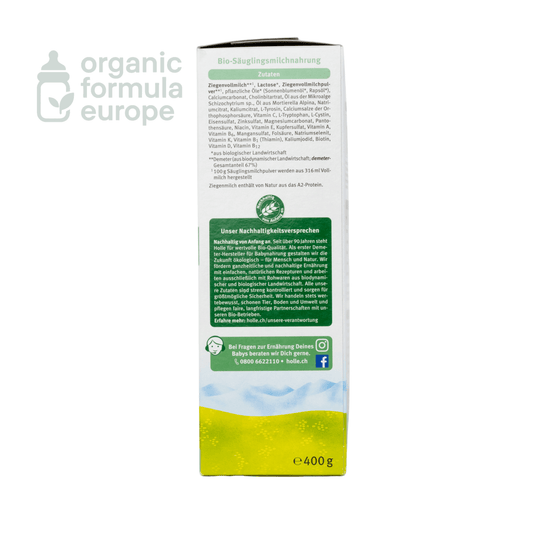
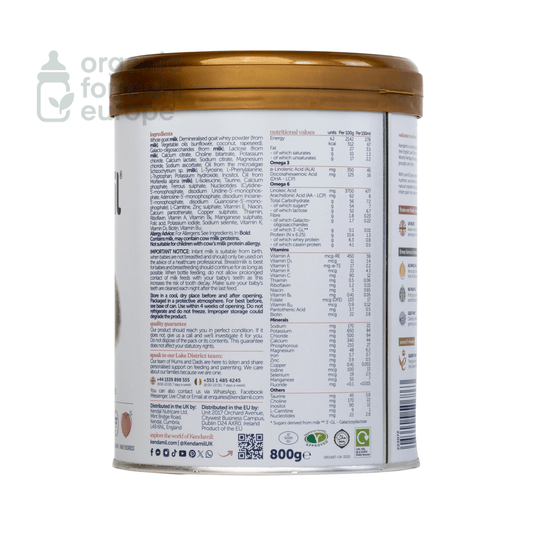
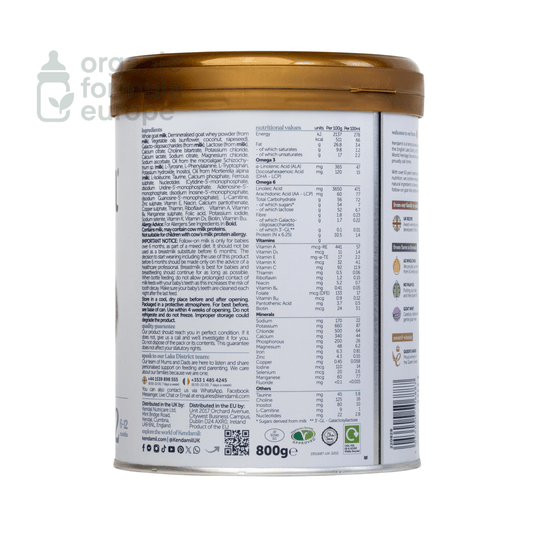
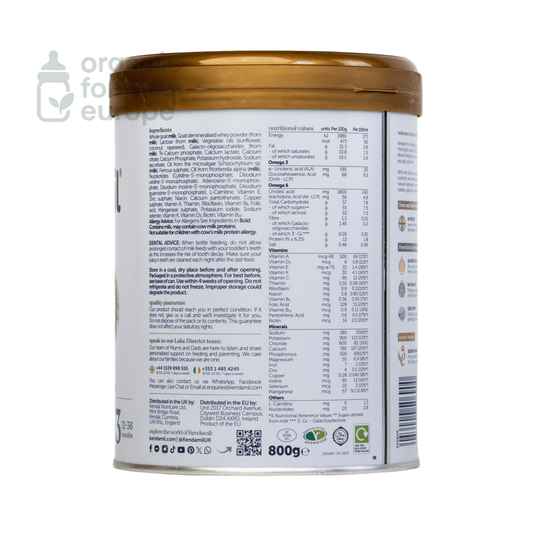
HiPP Comfort stands out for its specially adapted recipe aimed at digestive discomfort, though it is classified as a food for special medical purposes rather than an organic product. Holle's Demeter-certified formulas use biodynamic farming practices that go beyond standard organic. Kendamil is a British brand with a whole-milk recipe and no palm oil.
All three are shipped authentically from Europe directly to US parents through Organic Formula Europe.
Always read the preparation instructions on the box carefully, as each formula has specific scoop-to-water ratios. A quick conversation with your pediatrician is the safest first step before making any switch, particularly when your baby is young and the cause of the crying is not yet clear.
Best Formula for Colic and Gas
Gas is almost always part of the colic picture. When a baby swallows air during feeding or struggles to break down certain proteins or sugars, the result is a gassy, uncomfortable baby who cries more and sleeps less. A formula change can make a meaningful difference by addressing the root of that gas production.
Formulas designed for sensitive or gassy babies focus on two main adjustments. Partially hydrolyzed whey protein produces less gas than intact cow milk protein because it requires less digestive effort. Reduced lactose means less fermentation in the gut, which is a common source of gas buildup in young infants.
If gas is your primary concern alongside colic, our baby formula for gassy babies page goes deeper on those options and explains what to look for. Your pediatrician can help you decide which formula type fits your baby's specific needs best and whether any other adjustments, such as feeding pace or bottle style, might also help.
Frequently Asked Questions
What is colic in babies
Colic is typically described as frequent, intense crying in a healthy baby that lasts for several hours a day and happens regularly. It usually peaks around six weeks and often improves on its own by three to four months. The exact cause is not fully understood, but digestive discomfort is thought to play a role.
Can switching formula help with colic
Some parents do notice an improvement after switching to a gentler or comfort formula, particularly one with partially hydrolyzed protein or reduced lactose. Results vary from baby to baby, and it can take a couple of weeks to see a clear difference. Always check with your pediatrician before making a switch.
Is European baby formula safe for US babies
Yes. European organic formulas from brands like HiPP, Holle, and Kendamil meet strict EU food safety standards and are used by millions of families across Europe. They do not contain synthetic pesticides or GMOs. Organic Formula Europe ships only authentic, properly sealed products directly from European sources.
What is a comfort formula
A comfort formula uses partially hydrolyzed whey protein and reduced lactose to make digestion easier for sensitive or colicky babies. HiPP Comfort is a well-known example. These formulas are not hypoallergenic but are gentler than standard cow milk formulas. HiPP Comfort is a food for special medical purposes and is not EU-organic certified.
Is goat milk formula good for colic
Some parents find that goat milk formula works well for colicky babies because goat milk has a slightly different protein and fat profile compared to cow milk. HiPP offers a goat milk range that is popular among parents looking for an alternative. Talk to your pediatrician to see whether it could be a good fit for your baby.
How long does colic usually last
Colic typically starts around two to three weeks of age, peaks around six weeks, and gradually improves by three to four months. It can feel endless in the moment, but most cases resolve on their own as the digestive system matures. If your baby's crying is accompanied by poor weight gain or other symptoms, see your pediatrician.
Should I see a doctor about my baby's colic
It is always a good idea to consult your pediatrician when your baby cries excessively, to rule out other causes. While colic is generally harmless, a doctor can help confirm the diagnosis, offer guidance on soothing techniques, and recommend any formula changes that might help.
European Baby Formula Brands
-

HiPP Formula
HiPP Formula, Organic European Infant Nutrition from Birth to Toddler For more...
-

Holle Formula
Confused About Holle Formula? Start Here There’s no shortage of options when...
-

Kendamil Formula
Kendamil Formula, British Whole Milk Infant Nutrition Choosing the right formula is...


