


Stage 2 Cow Milk Formula

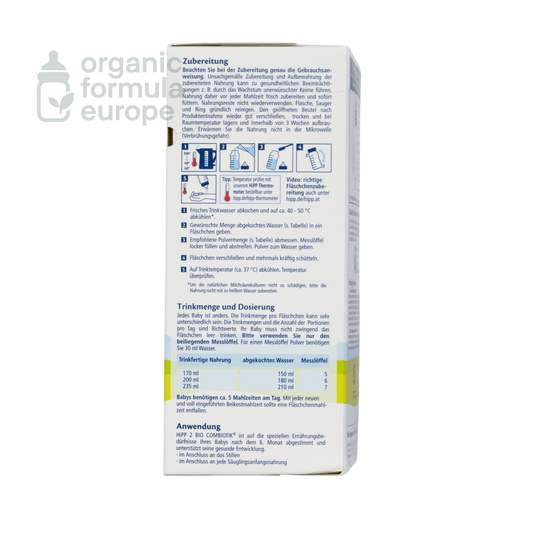

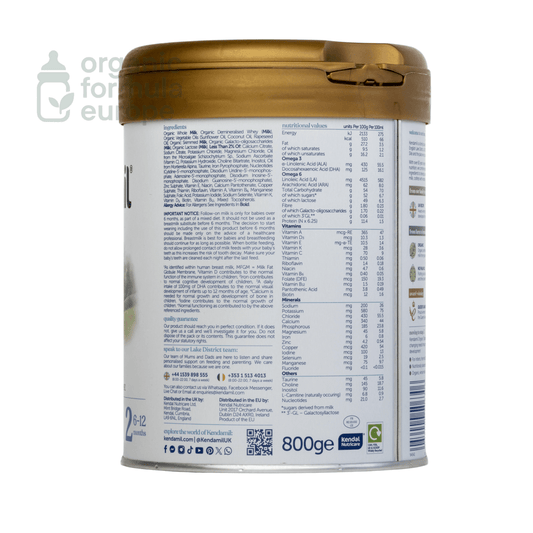

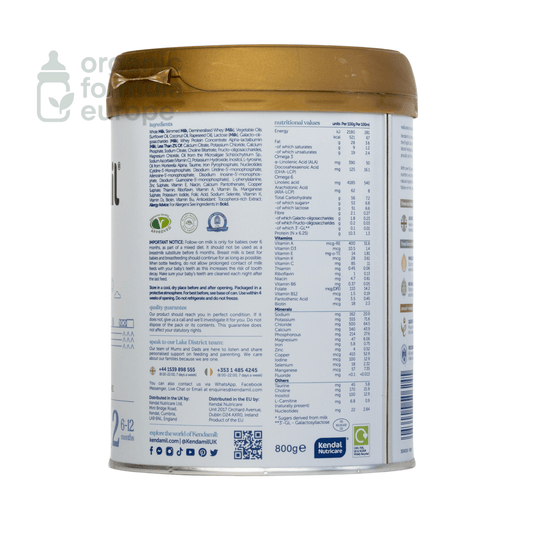

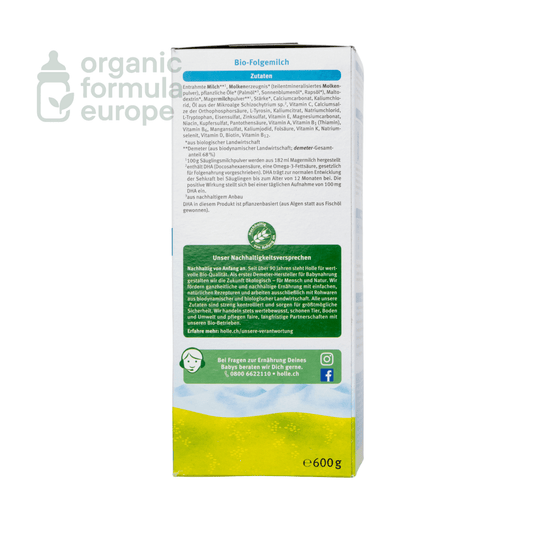


Stage 2 Cow Milk Formula, European Organic Follow-On Milk
Around your baby's sixth month, a gentle but meaningful shift takes place. Your little one is beginning to explore first foods, becoming more active, and growing at a remarkable pace.
Stage 2 cow milk formula is designed for babies from approximately six months of age and is intended to be used alongside the gradual introduction of solid foods, not as a replacement for them.
Cow milk has long been the most widely used base in infant nutrition. European formula manufacturers have refined and adapted the cow milk proteins, adjusting the whey-to-casein ratio and the overall nutritional balance, over decades of careful formulation.
Stage 2 variants are specifically adjusted to suit the nutritional needs of older infants, reflecting the natural changes in what your baby requires as they grow.
If you are looking for a broad overview of your options, our collection of Organic Formulas provides a helpful starting point across all stages and milk types.
Stage 2 versus Stage 1, Key Nutritional Differences
Parents often wonder what actually changes between Stage 1 and Stage 2, and whether making the switch really matters. The differences are real and intentional. Stage 1 cow milk formula is formulated to serve as the sole source of nutrition for younger infants from birth up to around six months.
Stage 2 is made with a different nutritional balance that accounts for the fact that your baby is now also receiving nutrients from complementary foods.
One of the most notable shifts involves the protein profile. European Stage 2 formulas often adjust the ratio of whey to casein proteins compared to Stage 1. Casein is a slower-digesting protein that contributes to a more satisfied feeling after feeding, which aligns well with an older, more active baby.
The iron content in Stage 2 formulas is also typically higher, reflecting the increased nutritional demands that come with rapid growth during this period.
Carbohydrate composition may also differ. While lactose remains the primary carbohydrate source in many quality European formulas, some Stage 2 recipes include additional carbohydrate sources to provide sufficient energy.
The key is always to look for formulas that prioritize clean, recognizable ingredients without unnecessary fillers or artificial additions. If you are exploring options beyond cow milk, our goat milk formula collection provides a gentle alternative worth considering.
What to Look for in a European Stage 2 Cow Milk Formula
Choosing a Stage 2 follow-on formula is a deeply personal decision. European formulas have earned a strong reputation for exactly that kind of transparency. Here are a few things to look for when making your infant formula purchasing decisions.
Organic Certification and Farming Standards
Many of the Stage 2 cow milk formulas available through Organic Formula Europe carry organic certification, meaning the milk used in production comes from cows raised according to certified organic farming practices.
These standards typically prohibit the use of synthetic pesticides on feed crops and require that animals have access to pasture.
Some brands, like Holle, go a step further and hold Demeter certification, which represents the highest standard in biodynamic agriculture. This means farming is conducted in harmony with natural cycles, with animal welfare considered a central part of the production philosophy.
For parents who value knowing how their baby's food was produced at every stage, these certifications offer meaningful reassurance.
Key Nutritional Ingredients to Look For
A well-formulated Stage 2 cow milk formula from a trusted European brand will contain a carefully selected combination of nutrients. Fatty acids such as DHA and ARA are commonly included and are considered important components of infant nutrition.
Many formulas also contain prebiotics, indigestible fibers that contribute to a balanced gut environment.
Vitamins and minerals are carefully calibrated to meet the requirements outlined in European infant nutrition standards. These standards are among the most thorough in the world, giving parents in the United States additional confidence in the quality of European-produced formulas.
Always check the full ingredient list on the Organic Formula Europe website to ensure the formula reflects your values around clean nutrition.
European Formula Standards, What American Parents Should Know
One of the reasons parents in the United States seek out European follow-on formulas is the consistent quality that comes with production in countries like Germany, the Netherlands, and the United Kingdom.
European formula manufacturing operates within a framework of strict food safety oversight, and organic certified products carry additional layers of accountability.
This does not mean that every European formula is identical, as there is genuine variety across brands, milk sources, and formulation philosophies. What they share, however, is a commitment to quality ingredients and transparent production practices.
You will rarely find artificial sweeteners, corn syrup, or synthetic preservatives in a quality European Stage 2 cow milk formula. Our cow milk formula collection brings together a curated selection of these trusted European options.
Stage 2 Cow Formula Brands, HiPP, Holle, and Kendamil
Organic Formula Europe works with some of the most respected names in European infant nutrition. These brands share a commitment to organic sourcing, scientific formulation, and responsible production for babies from 6 to 10 months old.
HiPP is a German family brand with a long heritage in organic farming and formula production. HiPP's Stage 2 cow milk offerings are crafted using organic milk free from GMOs.
HiPP formulas frequently include a prebiotic blend inspired by the naturally occurring components in breast milk, supporting a gentle transition through the weaning period.
Holle is another German-rooted brand built on biodynamic farming practices and organic principles. Holle's Stage 2 cow milk formula is made with Demeter-certified organic cow milk, reflecting a particularly high standard in agricultural practice.
Holle's formulation philosophy stays close to nature, using minimal processing and clean ingredient lists.
Kendamil is a British brand, with its home in the Lake District, that uses whole milk rather than skimmed milk with added vegetable oils, resulting in a naturally richer fat profile.
Kendamil Stage 2 cow milk formula is free from palm oil and fish oil, with DHA sourced from marine algae, a popular choice among parents with preferences around sustainability and ingredient sourcing.
Transitioning from Stage 1 to Stage 2
Switching your infant from Stage 1 to Stage 2 does not need to be stressful. Most babies comfortably make the transition, especially when it is introduced gradually alongside the familiar feeding routine your little one already knows.
If your baby has been happy on a particular brand of Stage 1 formula, starting with the same brand's Stage 2 version is usually a sensible approach. The taste and texture will be familiar, and the change in nutritional profile is subtle enough for most babies to accept without difficulty.
Signs Your Baby May Be Ready for Stage 2
There is no single sign that tells you definitively it is time to move on, but a few cues are worth watching for. If your baby has turned six months old, is beginning to explore solid foods with curiosity, and seems hungry sooner than expected after feeds, a Stage 2 formula may be a natural next step.
As always, your pediatrician is your most valuable resource in making feeding decisions tailored to your baby's individual growth and development.
Frequently Asked Questions
What age is Stage 2 cow milk formula suitable for?
Stage 2 cow milk formula is generally intended for babies from around six months of age. At this point, most infants are beginning to explore complementary foods alongside their milk feeds. Stage 2 formula is designed to complement this transition, not to replace breast milk or solid foods. If you are unsure whether your baby is ready, speaking with your pediatrician is the best first step.
Is Stage 2 cow milk formula different from Stage 1?
Yes, there are meaningful differences. Stage 2 formulas are adjusted to suit the nutritional needs of older infants who are also receiving nutrition from solid foods. This often includes a different protein ratio, higher iron content, and a modified energy balance compared to Stage 1. The ingredients are tailored to support a baby who is more active and developing rapidly.
Are European Stage 2 cow milk formulas organic?
Many of the Stage 2 cow milk formulas available at Organic Formula Europe are certified organic, meaning the milk comes from cows raised under certified organic farming conditions. Some brands, namely Holle, also carry biodynamic Demeter certification. The selection at Organic Formula Europe is carefully curated to prioritize clean and naturally produced options.
Can I combine Stage 2 cow milk formula with breastfeeding?
Absolutely. Stage 2 cow milk formula can be used alongside breastfeeding as part of a combined feeding approach. Many mothers use formula feeds to complement breastfeeding, particularly as solid foods are introduced and feeding patterns naturally shift. Your midwife or health visitor can offer personalized guidance on how to balance breastfeeding and formula in a way that works for you and your baby.
Does Stage 2 cow milk baby formula from Europe contain lactose?
Most quality European Stage 2 cow milk formulas use lactose as their primary carbohydrate, but some may also incorporate starch for improved digestibility. Always check the ingredient list of the specific product you are considering, and consult your pediatrician if you have concerns about your baby's tolerance.
How do I safely prepare Stage 2 cow milk formula?
Always follow the preparation instructions on the packaging of your chosen formula. As a general rule, use freshly boiled water cooled per your box's guidance, measure the formula powder carefully using the provided scoop, and never add more or less than indicated. The World Health Organization recommends mixing powdered formula with water at 70 degrees Celsius or hotter to reduce bacterial risk, while some European brands specify a lower temperature to protect live probiotic cultures, so the packaging is your primary reference. Prepare each bottle fresh where possible, and do not store prepared formula for extended periods. Good hygiene throughout the preparation process is essential for your baby's well-being.
What makes European Stage 2 cow milk formula different from other formulas?
European formula production operates within a framework of rigorous food safety and nutritional standards. Organic certified European formulas additionally meet strict requirements around farming practices, ingredient sourcing, and the exclusion of synthetic additives. Many parents find that European formulas align more closely with their values around clean, transparent nutrition compared to formulas produced in other markets.
European Baby Formula Brands
-

HiPP Formula
HiPP Formula, Organic European Infant Nutrition from Birth to Toddler For more...
-

Holle Formula
Confused About Holle Formula? Start Here There’s no shortage of options when...
-

Kendamil Formula
Kendamil Formula, British Whole Milk Infant Nutrition Choosing the right formula is...


