


Holle Formula Stage 3

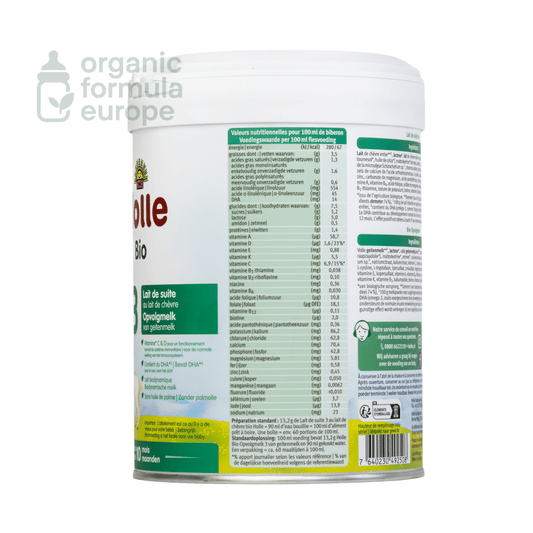

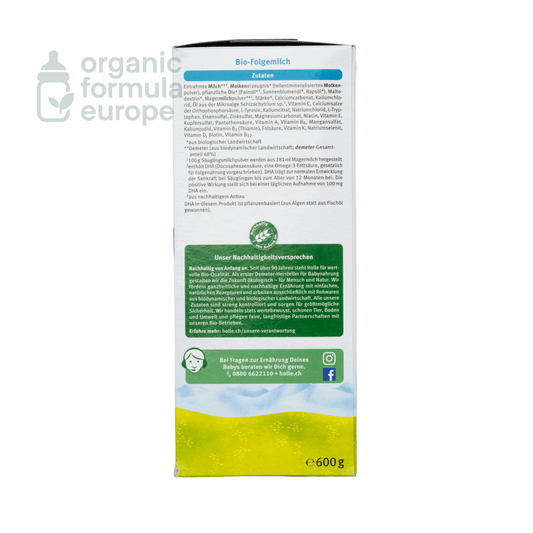

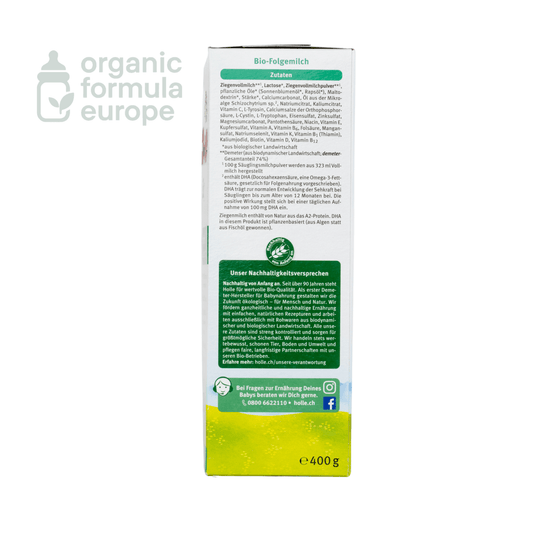
Holle Formula Stage 3: Organic Follow-On Milk from 10 Months
Watching your little one grow from a newborn into an active, curious baby is one of the most wonderful experiences of parenthood. When your baby reaches around ten months, their nutritional needs begin to shift, as does their growing appetite and developing independence. Holle Formula Stage 3 is a certified organic follow-on formula crafted to meet the needs of babies during this important phase of their first year. It is made with the care, quality, and transparency that European organic farming is known for, including organic and biodynamic ingredients from Demeter-certified farms.
At Organic Formula Europe, we carry a curated selection of Holle Formula products, sourced directly from Europe and delivered to your door with full traceability and quality assurance. Whether you prefer the classic cow milk version or the gentler goat milk alternative, you'll find the right option here. We are committed to making high-quality European organic formula accessible to families wherever they are. Every tin you receive from our shop is genuine, properly stored, within its expiry date, and handled with care throughout the entire supply chain.

Holle Stage 3 Age Range and Who It's For
Stage 3 is designed as a follow-on formula for babies from approximately 10 months. At this stage of development, most babies are beginning to explore solid foods while still relying on formula or breast milk as a central part of their diet. Parents want to ensure their baby is receiving all the essential nutrients, vitamins, and minerals their growing bodies need, including micronutrients like copper, zinc, vitamin C, niacin, and manganese. Stage 3 supports this transition by providing a formula that complements the weaning journey without replacing the variety of textures and flavors your baby is starting to discover.
This product is suitable for babies already familiar with formula feeding, either as their sole source of nourishment since birth or as a complement to breastfeeding. Stage 3 is not intended for newborns or very young infants. If your baby is younger, explore Holle Formula Stage 2 or Holle Formula Stage 1 instead. Every baby is unique, so if you're unsure whether Stage 3 is the right fit for your child's age and feeding routine, speak with your pediatrician.
Holle's Organic and Biodynamic Farming Standards
Holle was founded in Switzerland in 1933 and is one of Europe's most established and respected organic baby formula brands. The company's longevity and reputation are deeply rooted in biodynamic and organic farming principles. Holle was among the first producers to specialize in biodynamic infant nutrition and was the first infant food manufacturer to receive certification from Demeter International, widely regarded as one of the highest standards in organic and sustainable farming.
Demeter certification goes beyond standard EU organic requirements by requiring biodynamic farming practices that treat the farm as a self-sustaining ecosystem. Cows on Demeter farms have access to pasture, are fed fully organic fodder, and are raised in environments that prioritize their natural behavior and well-being. This high level of animal husbandry means the milk that goes into Holle formula is produced with an extraordinary commitment to quality. The same rigorous welfare and sourcing standards apply to the goat milk line, giving parents confidence in both variants.
The EU organic certification already ensures that no synthetic pesticides or GMOs are used and that animal welfare standards are respected. Demeter adds biodynamic farming principles on top of that framework, treating the farm as a living whole. Both certifications appear on various Holle products, and knowing the difference helps parents make a confident, informed choice about the best follow-on formula for their 10-month-old.
Holle Stage 3 Ingredients
Holle has always believed that a shorter, cleaner ingredient list is a sign of quality rather than a limitation. Their Stage 3 formula reflects this philosophy. The primary ingredient is organic milk sourced from certified farms as described above. Alongside it:
- Organic vegetable oils, like rapeseed, palm, and sunflower, supply the fat content.
- Carbohydrates come from lactose (naturally present in milk) together with maltodextrin and starch, depending on the variant - with no added sucrose.
- DHA for brain development.
- Vitamins and minerals: niacin, vitamin K, vitamin C, vitamin B6, vitamin B12, biotin, zinc, magnesium, pantothenic acid, folic acid, and other micronutrients meeting EU nutritional guidelines for follow-on formula.
What is NOT in Stage 3 is just as important as what IS in it. You will not find artificial preservatives, synthetic colors, or unnecessary additives. The formula is also free from added sugar in the form of sucrose; its carbohydrates come from lactose, maltodextrin, and starch depending on the variant. For a full transparent breakdown, visit the Holle Formula Ingredients page.
Cow Milk vs. Goat Milk at Stage 3
One of the strengths of Holle's range is that it gives families a choice between cow milk and goat milk at Stage 3. Both variants are organically certified and produced to Holle's quality standards, but they have natural differences worth understanding.
The cow milk version is based on organic skimmed cow milk and whey from Demeter-certified biodynamic farms. For parents in North America, where cow milk is the familiar standard, this is often the first choice, and it provides a well-rounded nutritional profile that many families trust. The goat milk variant uses certified organic goat milk as its base. Goat milk naturally contains the A2 casein protein type and has a distinct fatty acid composition and whey-to-casein ratio compared to cow milk. Some families find this gentler protein profile easier on their baby's digestive system. Goat milk has a long history as a household staple in many parts of the world, making it a well-established choice for young children in many cultures.
Goat milk formula is not hypoallergenic and is not recommended as an alternative for babies with a confirmed cow milk protein allergy without professional guidance. If you are exploring broader organic goat milk formula options, browse the full Holle Goat Milk Formula range to compare options across brands.
How to Prepare Holle Stage 3
Preparing Stage 3 correctly is important for your baby's safety and to maintain the nutritional balance. While the exact amount of powder may vary slightly depending on the specific product, the general process is straightforward and should be followed consistently. Begin by washing your hands thoroughly and ensuring all feeding equipment has been properly cleaned and sterilized. Bring fresh water to a full boil and allow it to cool to approximately 122°F (50°C) before mixing. If you are using water that is too hot it can damage some of the nutrients, while water that is too cool may not fully dissolve the powder.
Pour the required amount of cooled boiled water into the sterilized bottle first. Then add the correct number of leveled scoops of powder using the measuring scoop provided in the tin. Scoop sizes differ between products and brands, so always use the one supplied with your specific tin. Replace the nipple and lid, shake gently until fully dissolved, and check the temperature on your inner wrist before feeding. Use prepared formula immediately and discard any leftovers after feeding has begun. If preparing away from home, bring the required boiling water in a thermos and the measured powder separately, then combine just before feeding. Always refer to the label on your specific tin for exact water-to-powder ratios and feeding amounts recommended for your baby's age and weight.
Fitting Stage 3 into Your Baby's Daily Routine
By the time babies reach ten months, feeding looks very different from the early weeks of infancy. Formula or breast milk may no longer be the sole source of nutrition. Babies are feeding themselves more, and mealtimes are becoming more social and varied. Holle Stage 3 is designed to complement this shift rather than complicate it.
Many parents use Stage 3 to top up meals, as a liquid drink between solid food meals, or as part of a nap-time or bedtime routine. Some mothers use it as a transitional formula while weaning from breast milk. There is no single right way to incorporate it into your routine. What matters most is that your baby is receiving consistent, balanced nutrition as they grow and develop.
Once your baby turns twelve months, you may begin to think about the next step. Holle Toddler Formula is specially formulated for children from twelve months onward and continues the same commitment to organic quality. If you want to explore the full range of certified organic formulas available at Organic Formula Europe, you will find a complete selection of European baby formula brands in various stages and milk types to support your baby from the earliest days through toddlerhood.
Frequently Asked Questions
What age is Holle Formula Stage 3 suitable for?
Stage 3 is intended for babies from approximately 10 months. It is designed to be used as a follow-on formula alongside solid foods and can typically be used until around 12 months, when many parents transition to a toddler formula. At that point, Holle Toddler Formula continues the same commitment to organic quality for the next stage of your child's development. Always check the specific product packaging for the recommended age range, and speak to your pediatrician if you're unsure whether Stage 3 is appropriate for your baby's current developmental stage.
What's the difference between Holle Stage 3 cow milk and goat milk?
The primary difference is the milk source. The cow milk version is based on organic skimmed cow milk and whey from Demeter-certified biodynamic farms. The goat milk version uses certified organic goat milk, which naturally contains A2 casein and has a different protein structure and whey-to-casein ratio, generally considered easier to digest for some babies. Both options are certified organic and produced to Holle's quality standards. Neither is intended as a substitute for medically guided hypoallergenic formula.
How do I prepare Holle Stage 3 correctly?
Use freshly boiled water cooled to around 122°F (50°C). Add water to a sterilized bottle first, then add the correct number of leveled scoops using the tin's scoop. Shake gently until dissolved, check temperature before feeding, and use immediately. Never reheat leftover formula. Refer to the feeding table on your tin for exact amounts recommended for your baby's age and weight.
Does Holle Stage 3 contain added sugar?
No. Holle Stage 3 does not contain added sucrose. The primary source of carbohydrates is organic lactose, which is naturally found in milk and provides energy in a form similar to natural milk. The formula may also contain other carbohydrate sources such as starch or maltodextrin, depending on the specific variant. These all serve as energy sources and align with the nutritional guidelines for follow-on formula. If you have specific questions about the ingredient list, we recommend reviewing the product label or visiting our Holle Formula Ingredients page for a transparent overview.
Can Holle Stage 3 be my baby's only source of nutrition?
No. Stage 3 is a follow-on formula designed to be used alongside solid foods, not as the sole nutritional source. By ten months, most babies should already be eating a variety of age-appropriate pureed, soft foods, or finger foods as part of their daily diet. Formula now plays an important supporting role during this stage, but it works best as part of a varied and balanced approach to feeding. Your health visitor or pediatrician can offer personalized guidance on how to structure your baby's meals and formula feeds at this age.
Is Holle Stage 3 available for delivery to the United States?
Yes. At Organic Formula Europe, we source Stage 3 directly from Europe and ship it to customers across North America. Our products are handled with care throughout the supply chain to ensure freshness and authenticity. Every tin you receive from our shop is genuine, properly stored, within its expiry date, and meets EU standards for nutrient content.
European Baby Formula Brands
-

HiPP Formula
HiPP Formula, Organic European Infant Nutrition from Birth to Toddler For more...
-

Holle Formula
Confused About Holle Formula? Start Here There’s no shortage of options when...
-

Kendamil Formula
Kendamil Formula, British Whole Milk Infant Nutrition Choosing the right formula is...


